

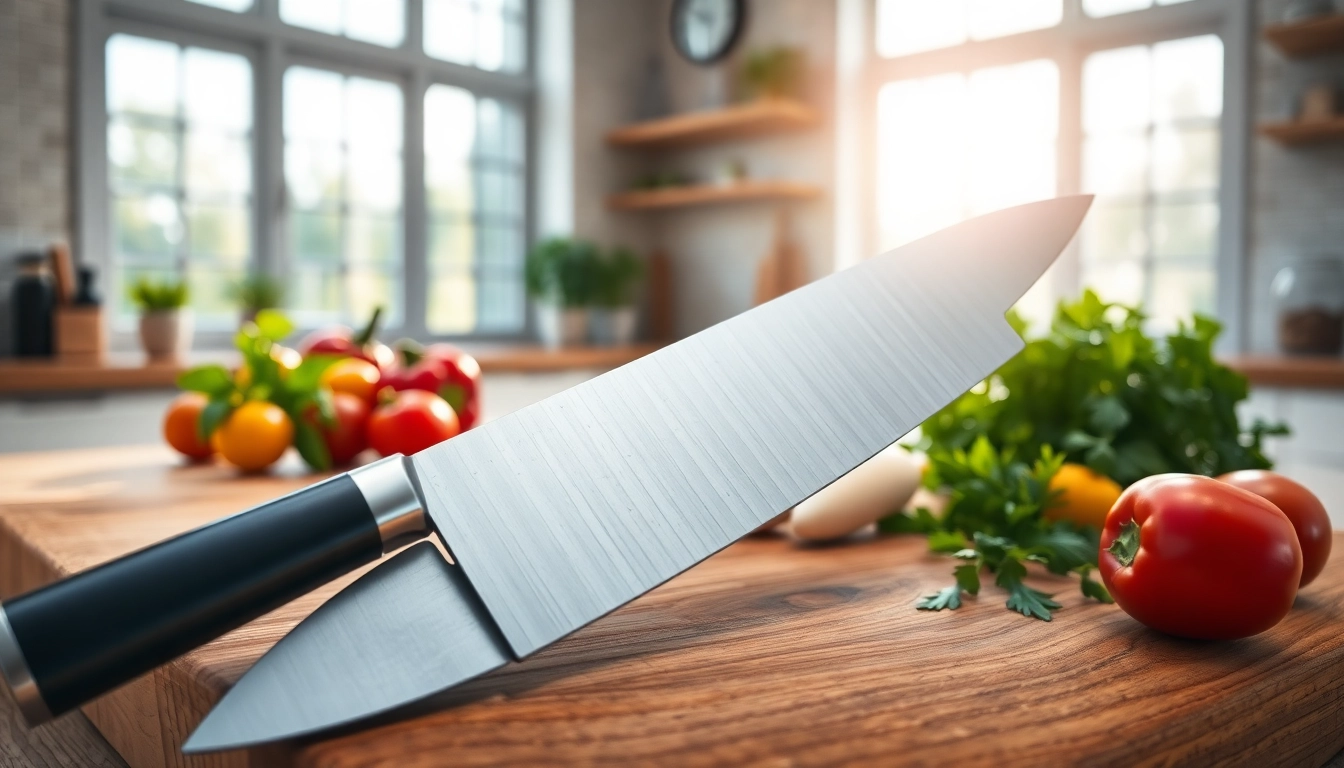
Understanding the Basics of Chef’s Knives
Choosing the right chef’s knife can significantly enhance your culinary experience. A quality knife is not just about sharpness; it embodies a blend of design, material, and craftsmanship tailored to your cooking style. When it comes to how to choose a chef’s knife, it’s essential to start with the fundamentals to ensure that you make an informed decision.
Types of Chef’s Knives Available
Chef’s knives come in various types, each designed to cater to specific cooking needs. The most common include:
- German Chef’s Knife: Known for its sturdiness and broad blade, ideal for many cutting tasks.
- Japanese Chef’s Knife: Typically lighter, designed for precision slicing, suitable for delicate tasks.
- Santoku Knife: A Japanese all-purpose knife characterized by a shorter, more compact blade.
- Chinese Cleaver: Designed for meat and vegetables, versatile in application.
Common Materials Used in Knife Blades
The material of the knife’s blade is crucial for performance and durability. Common materials include:
- Stainless Steel: Offers rust resistance and ease of maintenance but may require frequent sharpening.
- Carbon Steel: Known for its exceptional sharpness and edge retention but can rust without proper care.
- High Carbon Stainless Steel: Combines the benefits of both stainless and carbon steel, providing a balance of sharpness and resistance.
Importance of Balance and Weight
A well-balanced knife provides better control and reduces the strain on your wrist while cutting. The weight should feel comfortable in your hand, enabling quick, fluid movements. This balance is crucial for both amateurs and professional chefs alike, as it directly impacts your efficiency and comfort in the kitchen.
Key Features to Look For
Blade Sharpness and Maintenance
The sharpness of the chef’s knife affects your ability to slice through food effectively. A sharper blade requires less force, reducing the risk of accidents. Regular maintenance—such as honing and occasional sharpening—ensures that your knife remains in peak condition, providing optimal performance during meal prep.
Handle Comfort and Ergonomics
The handle should feel like an extension of your hand. Generally, you’ll have options like wooden, plastic, or composite materials. An ergonomic handle will reduce hand fatigue, making it easier to work for extended periods. Look for handles that fit comfortably and allow a secure grip.
The Role of the Bolster
The bolster is the thick junction between the blade and the handle. It provides balance and safety, allowing for a solid grip. A well-designed bolster helps in pinch gripping, which many chefs find advantageous, enhancing control and carving precision.
Matching Knife to Cooking Style
Choosing for Different Cuisines
Your cooking style and the cuisines you prefer can influence your knife selection. For instance, if you often prepare Asian cuisine, you might prefer a Santoku or Nakiri knife that excels in fine chopping. Conversely, for European-style cooking, a traditional German chef’s knife might be more appropriate.
Beginners vs. Professional Considerations
Beginners may benefit from a versatile, easy-to-use knife that can handle a variety of tasks without complicated techniques. Conversely, professionals may look for specialized knives that offer increased functionality for their specific cooking processes. Regardless of your level, choosing a knife that complements your skill set is vital.
Size and Shape Variations
Chef’s knives typically range from 8 to 10 inches in length. The size impacts the cutting surface area and weight distribution. A longer knife is often preferred for larger tasks, while a shorter knife can be more manageable for delicate work. Consider what feels most comfortable for your hands and cutting tasks.
Extended Care for Longevity
Proper Washing and Storage Techniques
To keep your chef’s knife in optimal shape, employ the right cleaning techniques. Always wash your knife by hand and avoid placing it in the dishwasher. Store it in a knife block or magnetic strip to protect the blade and maintain sharpness.
Maintenance Practices for Optimal Performance
Regularly hone your knife with a honing steel to realign the edge. This simple practice can significantly extend the time between professional sharpenings. Consider utilizing a whetstone or professional sharpening service at least once a year, depending on usage.
When to Seek Professional Sharpening
If your knife feels dull or requires excessive pressure to slice, it might be time for professional sharpening. Signs include ragged edges or a knife that no longer holds its sharpness after honing. A professional can restore the blade to its optimal performance, extending its lifespan effectively.
Frequently Asked Questions about Chef’s Knives
How do I determine the right knife size for my needs?
The right size depends on your hand size and cooking tasks. A common length is 8 inches, which is versatile; longer knives are better for larger cuts, while shorter ones offer more control.
What is the best material for a chef’s knife blade?
High carbon stainless steel offers the best of both worlds—sharpness and rust resistance. It provides durability and requires less maintenance than carbon steel alone.
How can I enhance the lifespan of my chef’s knife?
Regular maintenance, such as hand-washing, proper storage, and honing, is essential. Avoid cutting on hard surfaces that can dull the blade quickly.
Are expensive chef’s knives worth it?
Investing in a high-quality chef’s knife can offer better performance, longevity, and comfort. Cheaper knives may not match this quality and might need frequent replacements.
How do I effectively sharpen my chef’s knife?
You can sharpen your knife using a whetstone or hire a professional. Regular honing at home will maintain the blade before it needs significant sharpening.