

Understanding Crypto Mining: Basics to Complexities
In the rapidly evolving world of cryptocurrency, crypto mining stands as a cornerstone technology. This process not only underpins the integrity of blockchain networks but also allows individuals and entities to earn digital assets. As cryptocurrencies gain traction, understanding the fundamentals and complexities of mining becomes imperative for investors, hobbyists, and tech enthusiasts alike. This article aims to dissect the mechanics of crypto mining, delve into the environmental repercussions of traditional mining methods compared to new cloud alternatives, and highlight the innovations shaping the future.
What is Crypto Mining and Its Purpose?
At its core, crypto mining refers to the process of validating transactions on a blockchain network and subsequently adding them to a public ledger—essentially, it’s the method by which new coins are created. Miners utilize powerful computers to solve complex mathematical puzzles, a process known as proof-of-work. When a miner successfully solves a puzzle, they validate a block of transactions, earning cryptocurrency as a reward and ensuring the security and integrity of the network. This decentralized nature of mining prevents fraud and ensures that the history of transactions remains incorruptible.
The Role of Blockchain in Crypto Mining
Blockchain technology is fundamental to crypto mining for several reasons. First, it creates a ledger that is not controlled by any one entity, thus enhancing transparency. Each transaction on the blockchain is recorded in a block and linked to the previous one, creating an immutable chain. The cryptographic algorithms employed help prevent tampering; if someone attempted to alter a block, they would need to change all the subsequent blocks—a nearly impossible feat due to the required computational power. This decentralization is what allows cryptocurrency systems to operate without a central authority, fostering trust among users.
Environmental Impact of Traditional vs. Cloud Mining
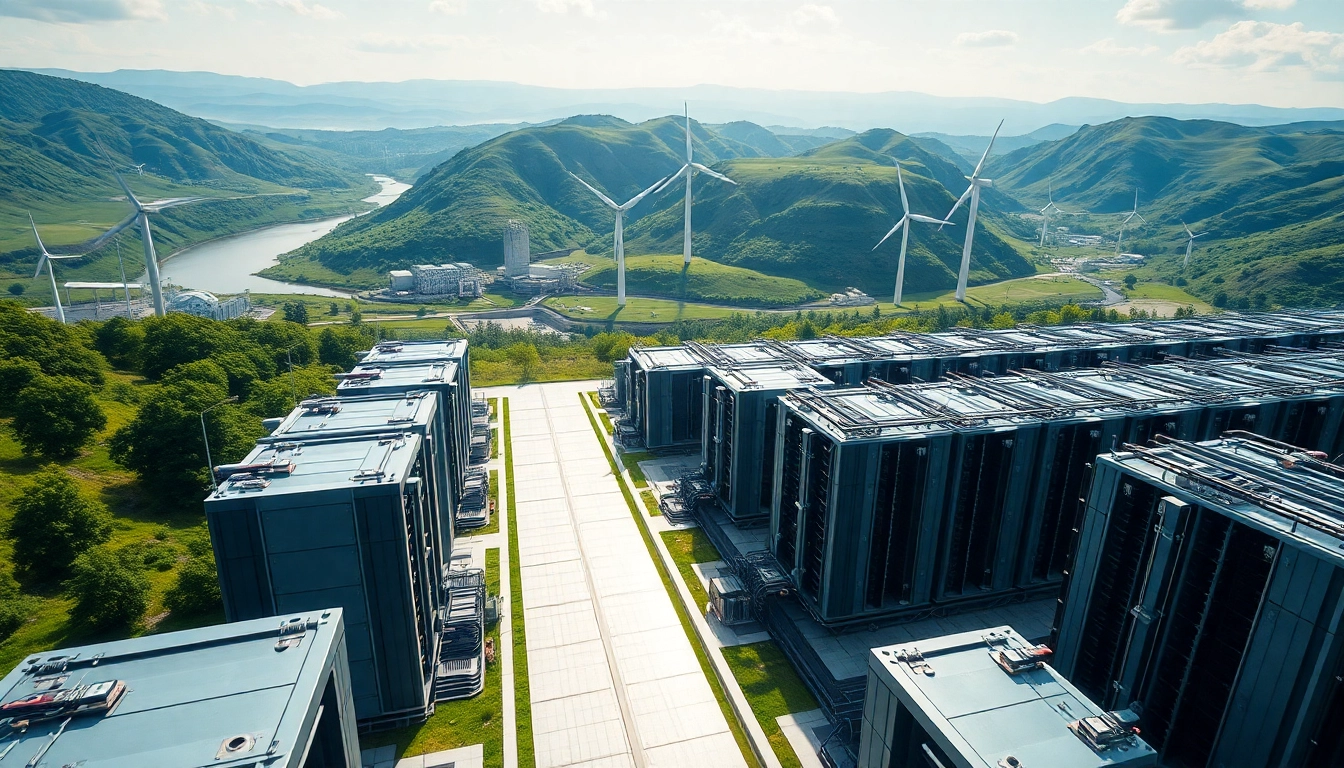
Traditional crypto mining has been widely criticized for its significant environmental impact. Mining rigs often consume massive amounts of electricity, leading to a heavy carbon footprint, especially in regions where fossil fuels are the primary energy source. In contrast, cloud mining offers a more sustainable solution. By utilizing remote data centers powered by renewable energy sources such as hydro, solar, and wind, cloud mining significantly reduces its environmental footprint. Companies like DeepHash are at the forefront of this movement, providing users the ability to mine cryptocurrency without the associated energy costs linked to hardware ownership.
AI-Powered Cloud Mining: Innovation at Its Best
Artificial Intelligence (AI) is revolutionizing the landscape of crypto mining, particularly in optimizing the efficiency of mining operations. As the demand for cryptocurrencies increases, so does the necessity for innovative solutions that can enhance profitability while minimizing operational costs.
How AI Optimizes Mining Efficiency
AI algorithms analyze market trends and adjust mining operations in real-time to maximize profits. For instance, an AI-driven mining platform can determine the most profitable cryptocurrencies to mine at any given moment, effectively switching assets to ensure that miners receive the highest returns. By monitoring factors such as network difficulty, market prices, and available hashrate, these smart systems can make data-driven decisions that would be practically impossible for human operators.
Benefits of AI in Mining Decision Making
The integration of AI into crypto mining operations offers several benefits:
- Increased Profitability: By automatically directing resources towards the most profitable operations, AI helps miners maximize their earnings.
- Reduced Downtime: AI systems can predict and mitigate potential issues, ensuring that mining operations run smoothly without interruptions.
- Enhanced Security: AI can identify patterns that indicate potential security breaches, enabling proactive measures to protect assets.
- Cost Efficiency: Through optimized energy management, AI can significantly reduce operational costs associated with energy consumption.
Using Smart Contracts for Transparent Operations
Smart contracts play a key role in ensuring transparent and efficient operations in AI-powered cloud mining. These self-executing contracts are written in code and automatically executed when predetermined conditions are met. This eliminates ambiguity and reduces the risk of disputes between parties. In the context of mining, smart contracts can manage everything from payouts to the allocation of hashrate, ensuring that operations are conducted fairly and efficiently.
Selecting the Right Mining Plan for Your Needs
With various mining plans available in the crypto ecosystem, choosing the right one can be an overwhelming task for new miners. It’s essential to evaluate specific features and benefits before committing to a plan that suits your individual needs and investment goals.
Comparing Mining Plans: Features and Benefits
When considering different crypto mining plans, users should look for key features such as:
- Hashrate Allocation: Understand how the platform allocates hashrate and whether it is adjustable based on market conditions.
- Contract Duration: Review the length of the mining contracts and the flexibility they offer for changes or upgrades.
- Profitability Guarantees: Some platforms offer profitability guarantees or insurance against losses, which can provide added peace of mind.
- Withdrawal Conditions: Examine how and when profits can be withdrawn, including any fees associated with transactions.
How to Evaluate Mining Profitability
Evaluating the profitability of a mining plan requires a careful analysis of several factors:
- Energy Costs: Understand the cost of electricity in your area, as this can significantly impact overall profitability.
- Mining Difficulty: Monitor the mining difficulty of the chosen cryptocurrency, as it can fluctuate based on network activity.
- Market Prices: Keep an eye on the market prices of cryptocurrencies, as these directly influence potential returns.
- Fees and Charges: Factor in any additional fees that might diminish profits, such as maintenance or withdrawal fees.
Case Studies: Successful Mining Plans in Action
Examining successful case studies offers insight into effective mining strategies. For example, a user that started with a modest investment in a diversified crypto mining portfolio through DeepHash has reported returns that significantly outpaced traditional investment returns. By utilizing green energy sources and AI optimization, they were able to maximize their profits while maintaining an eco-friendly approach.
Global Mining Facilities: Leading the Renewable Charge
As the global awareness of climate change increases, the cryptocurrency mining industry is adjusting by adopting renewable energy solutions. This shift not only addresses environmental concerns but also improves operational efficiency.
Overview of DeepHash’s Global Mining Farms
DeepHash operates nine global mining facilities, strategically located near renewable energy sources:
- Norway – Bodø Hydro Farm: Leveraging abundant hydroelectric power.
- Canada – Quebec Hydro Farm: Utilizing cold climate benefits for cooling systems.
- Iceland – Reykjavik Geothermal Farm: Capitalizing on geothermal energy for continuous operation.
- Bhutan – Thimphu Hydro Farm: Tapping into local hydropower resources.
- Paraguay – Itaipu Hydro Farm: One of the largest hydroelectric projects converting water energy into crypto.
- USA (Texas) – Wind Farm: Using wind energy to power mining operations.
- Uruguay – Montevideo Wind-Solar Farm: Combining wind and solar for sustainable mining.
- Sweden – Luleå Hydro-Wind Farm: Harnessing water and wind for efficient mining.
- El Salvador – Volcano Geothermal Farm: Innovative use of volcanic heat as an energy source.
Energy Sources: A Focus on Sustainability
The two most important aspects in the evolution of mining facilities are sustainability and efficiency. Companies like DeepHash are not only focused on profitability but also on responsible energy consumption. By prioritizing renewable energy, these facilities minimize their carbon footprint while ensuring that operations remain economically viable.
Comparative Analysis of International Mining Facilities
A comparative analysis of international mining facilities shows significant differences in energy consumption and operational costs. Facilities powered by renewable energy can often operate at lower costs compared to their fossil fuel-dependent counterparts, providing a compelling argument for the sustainability of cloud mining practices. For instance, mining farms in Iceland benefit from a constant geothermal heat source, allowing for substantial energy savings over time.
Getting Started with Crypto Mining: A Step-by-Step Guide
For those new to the world of crypto mining, getting started can seem daunting. However, with the right guidance, the process becomes more accessible and less intimidating. Below is a simple step-by-step guide for beginners.
How to Deposit Funds on DeepHash: A Tutorial
Depositing funds on DeepHash requires a straightforward process:
- Create a DeepHash account and verify your identity.
- Select the deposit method that best suits your needs (e.g., cryptocurrency or fiat).
- Follow the guided steps on the platform to transfer funds securely.
- Check your account balance to confirm the deposit has been successful.
- Select your desired mining plan and start mining!
Joining the DeepHash Million-Dollar Bonus Program
DeepHash offers an enticing Million-Dollar Bonus Program that rewards users for their participation. By staking or holding specific amounts, users can earn bonuses that enhance their mining potential. Engaging in this program not only boosts earnings but also promotes community growth and sustainability within the crypto mining sector.
Tracking Earnings: Tools and Strategies for Success
Monitoring and tracking earnings effectively is crucial for any crypto miner aiming for sustainable success. Tools such as real-time dashboards provided by mining platforms allow users to track their performance continuously. Moreover, miners should adopt strategies for diversification of their portfolios, ensuring that they are ready to adapt to market changes.