
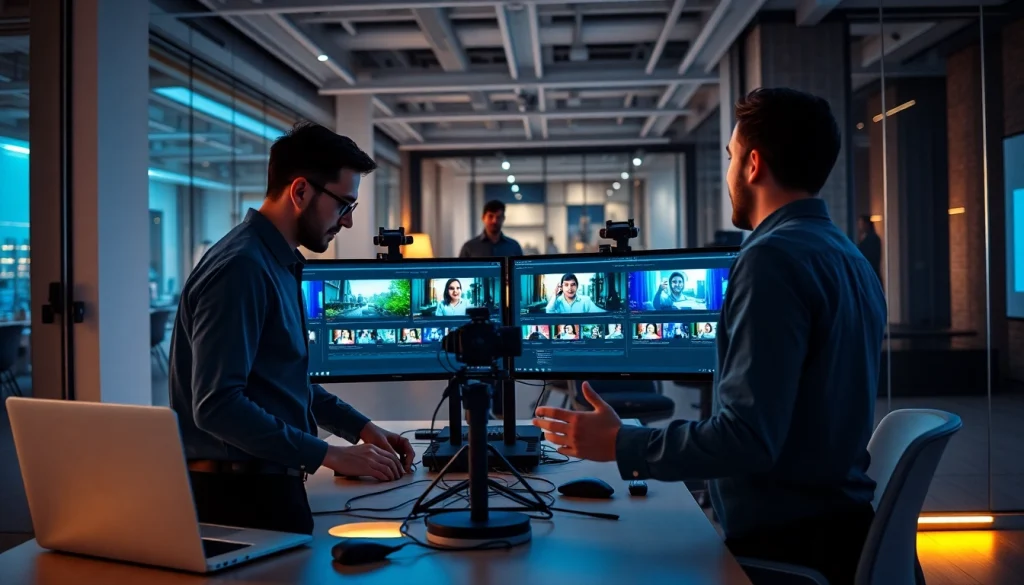
1. Understanding the Role of Professional Video Editors
In today’s visually-driven world, professional video editors play a crucial role in crafting compelling narratives and enhancing visual storytelling. Their work transcends simple cuts and transitions; it weaves together various elements to create a cohesive and engaging viewing experience. As genres and styles continue to evolve, understanding the distinctive skills and responsibilities of video editors becomes increasingly important.
1.1 Overview of Video Editing Skills
Video editing is an intricate field that requires a diverse skill set. At its core, effective editing hinges on a deep understanding of storytelling, pacing, and the emotional impact of visuals. Key skills include:
- Technical Proficiency: Mastery of editing software, such as Adobe Premiere Pro, Final Cut Pro, or DaVinci Resolve, is paramount. Editors must be able to navigate complex timelines, apply effects, and manage audio tracks efficiently.
- Artistic Vision: A skilled editor possesses the ability to envision how disparate shots can be woven together to create an engaging story. This includes understanding color grading, sound design, and the emotional tone of the piece.
- Attention to Detail: Precision is key in video editing. Every cut, transition, and effect should enhance the narrative without distracting from it.
- Collaboration: Editors often work closely with directors and producers, requiring strong communication skills to translate the creative vision into the final product.
1.2 Different Types of Video Editing Specialties
Video editing encompasses several specialties, each requiring unique skills and approaches:
- Film Editing: Editors in this realm focus on narrative projects such as movies and documentaries, needing a profound understanding of story structure and pacing.
- Broadcast Editing: This specialization involves working on content for television. Editors must be familiar with industry standards, especially in terms of timing and branding.
- Corporate Editing: Corporate video editors create promotional, training, or informational content, requiring a focus on branding and clear communication of messages.
- Social Media Editing: In the era of digital marketing, editors create short-form content optimized for platforms like Instagram or TikTok, where engaging capture and rapid storytelling are essential.
- Wedding and Event Editing: This niche focuses on personal milestones, where editors capture emotional moments while producing a polished film that tells a story of the event.
1.3 Key Tools Used by Professional Video Editors
A variety of tools and software are essential for professional video editors, enabling them to achieve high-quality results. Some key tools include:
- Adobe Premiere Pro: A leading industry-standard editing software known for its versatility and robust feature set.
- Final Cut Pro: Apple’s professional video editing software, favored for its user-friendly interface and seamless integration with macOS.
- DaVinci Resolve: Known for its powerful color grading capabilities alongside editing functions, making it particularly popular for projects requiring high visual quality.
- Avid Media Composer: Often used in Hollywood, this software is highly regarded for its advanced editing and collaborative features.
- After Effects: While primarily used for motion graphics and effects, many editors use it alongside editing software to create dynamic visuals.
2. The Process of Video Editing
The video editing process is multifaceted, involving several stages from initial planning to the final product. Understanding each phase can enhance an editor’s efficiency and effectiveness in delivering quality content.
2.1 Pre-Production Planning for Video Editors
Before the editing process begins, editors must engage in thorough pre-production planning. This stage involves collaboration with directors and producers to establish clear objectives for the project:
- Understanding the Concept: Editors must know the goals, target audience, and intended message of the video to maintain alignment throughout the editing process.
- Organizing Footage: A well-organized footage library is crucial for effective editing. Editors often categorize clips according to scenes or topics for streamlined access during editing.
- Creating a Rough Cut: This initial draft serves as the backbone of the final edit, establishing the narrative structure. Editors will place clips based on the script or storyboard guides.
2.2 Techniques for Effective Video Editing
Mastering various editing techniques is essential. Some effective strategies include:
- Continuity Editing: This technique helps maintain a seamless flow of action and ensures viewers remain immersed in the narrative.
- Montage: Editors use montages to condense time or convey complex ideas quickly through a series of rapid edits.
- Cutaways: Utilizing cutaway shots can enrich the narrative and provide context, enhancing viewer understanding.
- Sound Design: Effective audio editing is often as imperative as visual editing. Background music, sound effects, and dialogue should all enhance the overall experience.
2.3 Post-Production: Final Touches by Editors
Once the main editing is complete, the post-production phase involves refinement and finalization:
- Color Grading: Adjusting colors and tones can significantly affect the mood and feel of the video, creating a visually cohesive project.
- Adding Special Effects: Visual effects can enhance storytelling but should be used judiciously. Editors must balance creative flair with narrative clarity.
- Review and Feedback: Circulating the near-final cut for feedback ensures that all stakeholders are satisfied, enabling editors to make necessary adjustments before the final release.
3. Hiring Professional Video Editors: What to Look For
When seeking to hire a professional video editor, understanding what makes a great editor is crucial to find the right fit for your project.
3.1 Evaluating Video Editor Portfolios
The portfolio provides invaluable insight into an editor’s capabilities and style. Key aspects to evaluate include:
- Diversity of Work: Look for versatility across different styles and genres. A varied portfolio demonstrates the ability to adapt to different project types.
- Technical Skills: Assess the quality of the work regarding transitions, effects, sound design, and overall polish.
- Storytelling Ability: Good editing goes beyond technical skills. Evaluate whether the portfolio pieces effectively convey a clear narrative.
3.2 Understanding Pricing Structures for Professional Services
Pricing structures for video editing services can vary widely. Factors influencing rates include:
- Experience Level: Junior editors may charge lower rates, while highly skilled professionals with extensive portfolios command higher fees.
- Project Scope: The complexity and duration of the project will significantly impact pricing. Simple edits tend to cost less than full-scale productions.
- Billing Model: Editors may charge by the hour, per project, or on retainer. Understanding these models helps in budget planning.
3.3 Questions to Ask Before Hiring an Editor
Asking the right questions can ensure you find a suitable editor. Consider these important queries:
- What is your editing process? Understanding their workflow gives insight into how they manage projects.
- Can you provide references or testimonials? Real-world feedback can help gauge reliability and quality of service.
- What is your turnaround time for projects? Knowing their timeline helps ensure alignment with your deadlines.
4. Trends in the Video Editing Industry
The video editing industry continues to evolve rapidly, shaped by technological advancements and changing consumer behavior. Staying abreast of these trends is essential for both editors and clients.
4.1 Emerging Technologies and Tools for Editors
The rise of innovative technologies is transforming the landscape of video editing. Notable developments include:
- AI and Automation: Tools powered by artificial intelligence are enabling faster editing processes and automated workflows, freeing up creative time for editors.
- Cloud-Based Editing: Cloud collaboration tools allow multiple editors and stakeholders to work together seamlessly, regardless of location.
- Advanced Effects and Graphics: Continuing improvements in software enable editors to incorporate complex visual effects more easily into their projects.
4.2 The Impact of Social Media on Video Editing
The proliferation of social media has significantly influenced video editing styles and techniques. Key impacts include:
- Short-Form Content: Platforms like TikTok and Instagram emphasize brief, impactful storytelling, leading editors to develop skills in concise editing.
- Viral Trends: Editors must stay attuned to trending aesthetics and formats to create content that resonates with audiences quickly.
- Audience Engagement: Editing for social platforms often requires innovative approaches to hook viewers within the first few seconds.
4.3 Video Content Trends Shaping the Industry
Several content trends are shaping the way videos are produced and edited today. These trends include:
- Documentary-Style Videos: There is a rise in demand for authentic, real-world storytelling that resonates with audiences on a personal level.
- Interactive Video: Editors are increasingly tasked with creating content that allows viewers to engage with the material actively.
- Live Streaming: The growth of live events has necessitated a new set of editing techniques to maintain engagement during real-time broadcasts.
5. Building a Career as a Professional Video Editor
For those aspiring to become professional video editors, or for current editors looking to advance their careers, it’s crucial to understand the steps necessary for success in this competitive industry.
5.1 Essential Certifications and Training Programs
Obtaining relevant certifications and training can enhance an editor’s credentials. Some noteworthy options include:
- Adobe Certified Expert (ACE): This certification indicates proficiency in Adobe editing software, a significant asset in the job market.
- Associate’s or Bachelor’s Degrees: Pursuing a degree in film, media studies, or digital arts can provide foundational knowledge and skills.
- Online Courses and Workshops: Platforms like Udemy, Coursera, and LinkedIn Learning offer targeted training in specific editing techniques and software.
5.2 Networking and Opportunities in the Editing Community
Building a network within the video editing community is essential for discovering job opportunities. Strategies include:
- Joining Professional Associations: Organizations such as the American Cinema Editors (ACE) offer networking opportunities and industry resources.
- Attending Workshops and Conferences: Participating in industry events allows editors to connect with like-minded individuals and stay updated on latest trends.
- Leveraging Social Media: Platforms like LinkedIn can be used to showcase portfolios, connect with potential employers, and engage with industry discussions.
5.3 Case Studies: Successful Professional Video Editors
Analyzing successful video editors can offer valuable insights into effective strategies and career paths. Some notable examples include:
- Sandra Adair: An Oscar-nominated editor known for her work on films such as “Boyhood,” showcasing the value of patience and detailed storytelling.
- Tom Cross: Renowned for editing “Whiplash,” Cross emphasizes the importance of rhythm and pacing in building tension and excitement.
- Lee Smith: His editing for “Dunkirk” illustrates the impact of non-linear storytelling, demonstrating how unconventional structures can enhance narratives.