

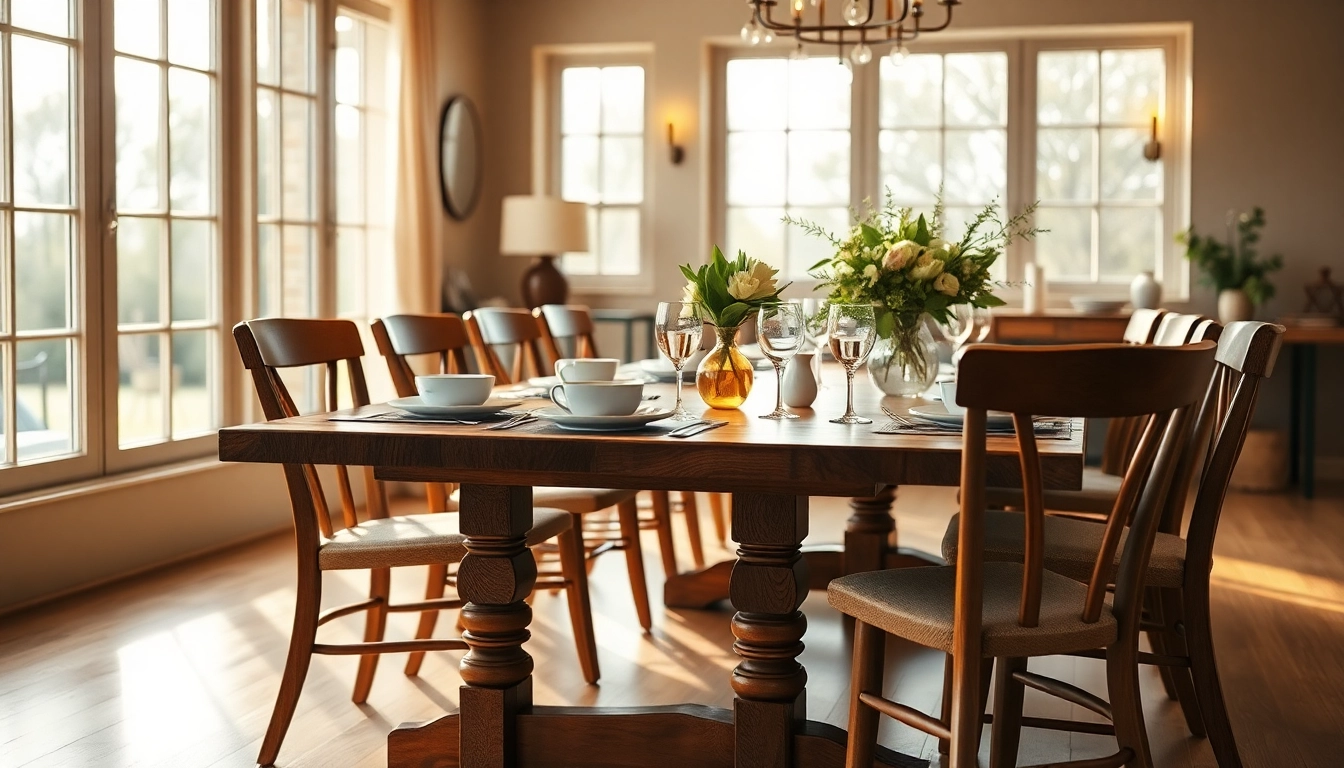
Choosing the Right Dining Tables for Your Space
When it comes to enhancing the dining experience, the selection of Dining tables plays a crucial role. The perfect dining table can transform a plain dining area into a welcoming space for meals, gatherings, and memorable events. However, with the myriad of choices available, understanding how to choose the right dining table that fits your unique space, needs, and aesthetic preferences is vital.
Understanding Space and Size Considerations
The first step in selecting the right dining table is evaluating your available space. Measure your dining area carefully to determine the size of the table that will fit comfortably without overwhelming the room. Consider the following:
- Room Dimensions: Assess both the length and width of your dining area. Standard dining tables come in various sizes, and you’ll want to ensure there’s adequate clearance around the table for movement, usually a minimum of 36 inches from the edges.
- Seating Capacity: Determine how many people you typically host at meals. For example, a table that seats four would average around 48-60 inches in length. For larger gatherings, you might require a table that accommodates six to eight, generally starting from 72 inches.
- Table Shape: Depending on your space, different shapes may work better. Rectangular tables are versatile for long, narrow spaces, while round tables can make smaller areas feel less cramped. Oval tables offer a balance of both, providing a soft edge that can also accommodate more chairs.
Exploring Material Options for Dining Tables
The material of your dining table not only affects its aesthetic appeal but also its functionality and durability. Here are some of the most common materials to consider:
- Wood: A classic choice known for its robustness and warmth. Common types include oak, walnut, maple, and pine. Each type has its unique grain and finish that can enhance the beauty of your dining area.
- Glass: Glass dining tables can create an illusion of space, making them ideal for small rooms. They blend well with various decor styles, offering a sleek and modern look. However, they require more maintenance to keep them smudge-free.
- Metal: Metal tables provide a contemporary edge and durability. They often feature a range of finishes, from polished to matte, and can be paired with different tabletop materials for a mixed-media approach.
- Composite Materials: These include a variety of engineered wood products that can mimic natural materials at a lower cost. They are often easier to maintain and can be designed in various styles.
Design Styles That Enhance Dining Experience
Finding a dining table that matches your interior design style is essential for creating a cohesive look in your home. Here are some popular styles to consider:
- Modern: Characterized by clean lines, minimalistic design, and often made with materials like metal or glass, modern dining tables can add a sophisticated touch.
- Traditional: These tables feature ornate details and are often made from dark woods. They exude a sense of timeless elegance that is ideal for more classic interiors.
- Rustic: Inspired by the farmhouse style, rustic tables are typically made from reclaimed wood, showcasing natural imperfections and a rugged aesthetic that can warm any space.
- Industrial: Combining metal and wood in a more raw fashion, industrial dining tables offer a chic, urban feel, suitable for modern lofts or homes with industrial accents.
Maximizing Functionality of Your Dining Tables
Dining tables can do more than just serve meals. With the right design and features, they can maximize functionality, especially in small spaces or adaptable living environments.
Multi-Purpose Dining Tables for Small Spaces
In urban living spaces where square footage is limited, multi-purpose dining tables are a game changer. Consider features such as:
- Drop Leaf Tables: These tables have sections that can be folded down when not in use, allowing you to save space while still accommodating guests when needed.
- Convertible Tables: Some tables can be transformed from a dining table to a work desk or a console table. Look for options that easily adjust to your needs.
- Bar Height Tables: Tall, bar-style tables can double as dining and casual gathering spots, adding versatility to your entertaining options.
Incorporating Storage Solutions in Dining Tables
Storage solutions integrated into dining tables can help you manage space efficiently. A few options to consider include:
- Tables with Shelving: Select tables that come with built-in shelves or cabinets underneath. These can store dining essentials such as napkins, cutlery, or extra dishware.
- Extending Mechanisms: Look for tables with extending capabilities that can accommodate larger gatherings, ensuring you make the most of your table when needed.
- Hidden Storage Compartments: Some modern designs feature hidden compartments that can be utilized for storage without compromising the aesthetics of the table.
Adjustable and Extendable Dining Tables Explained
Adjustable and extendable tables offer a unique solution for families or individuals who frequently have varying numbers of guests. Here’s how they work:
- Extendable Tables: These tables come with a leaf or two that can be added to increase the surface area, ideal for hosting gatherings or holiday meals.
- Adjustable Height Tables: Some tables allow you to adjust their height. Lower them for casual dining or raise them for bar-style gatherings, adapting seamlessly to your guests’ needs.
Decorating Around Your Dining Tables
Once you’ve chosen your ideal dining table, it’s important to style the surrounding area to create a complementary environment. Here are tips to enhance your dining space:
Choosing the Right Chairs and Accessories
The chairs you select are just as significant as the dining table itself. Keep these tips in mind:
- Chair Height: Ensure the height of the chairs aligns with the table to provide comfortable seating. A standard dining chair is typically 18 inches tall, while dining tables are usually around 28-30 inches high.
- Material Matching: Choose chair materials and colors that either match or aesthetically contrast with your table for visual interest.
- Accessorizing: Look into options like cushions for added comfort, making meals more enjoyable for you and your guests.
Incorporating Centerpieces for Impact
A well-thought centerpiece can inject personality and style into your dining area. Here are some ideas:
- Seasonal Decor: Update your centerpieces seasonally using flowers, candles, or themed decorations to keep the dining area dynamic and inviting.
- Functional Centerpieces: Utilize items that can double as decor and utility, such as a large fruit bowl or a stylish serving tray.
- Height Variation: Mix heights in your centerpiece arrangement. Combine short flowers, tall candlesticks, and varied textures to create visual interest.
Creating Cohesion with Color Palettes
Establishing a cohesive color palette throughout your dining area can enhance the overall aesthetic. Steps to achieve this include:
- Choose a Dominant Color: Select a primary color for your dining table, chairs, and additional accessories that resonate with the rest of the room.
- Accent Colors: Use contrasting or complementary accent colors in decor items such as table runners, placemats, and artwork.
- Texture Consideration: Incorporate various textures within your color palette. For instance, mixing wood with metal accents or fabric with glass adds depth to the design.
Maintaining and Caring for Your Dining Tables
Caring for your dining table is essential to ensure it remains a beautiful and functional part of your home for years to come. Follow these maintenance tips:
Cleaning Techniques for Various Table Materials
Each material requires specific care. Here are general cleaning techniques:
- Wood: Use a soft, damp cloth for dusting. Avoid harsh chemicals; instead, use wood-specific cleaners that maintain the finish.
- Glass: Spray glass cleaner on a cloth, not directly on the surface to prevent streaks. Wipe with a microfiber cloth for a shiny finish.
- Metal: Polish metal surfaces regularly to prevent tarnishing. A simple cloth should suffice, while deeper stains may require specialized metal cleaner.
Preventing Damage: Tips for Protecting Surfaces
To maintain the integrity of your dining table, consider these prevention strategies:
- Use Coasters: Always place drinks on coasters to avoid unsightly rings and prevent moisture damage.
- Tablecloths and Runners: Employ tablecloths or runners to shield against scratches and heat damage.
- Avoid Direct Sunlight: Keep your dining table away from direct sunlight that can cause fading over time by using curtains or shades.
Seasonal Maintenance Routines for Long-lasting Use
Establishing seasonal maintenance routines can provide deeper care for your dining tables:
- Deep Cleaning: Engage in a in-depth cleaning every few months, with rigid dusting and washing to maintain hygienic conditions.
- Conditioning: Wood tables should be conditioned with oil every so often to preserve their sheen and prevent drying.
- Check for Loose Legs: Periodically inspect and tighten any screws or joints to improve stability and prevent wobbly issues.
Trends in Dining Tables for Modern Homes
As design trends evolve, so too do dining table styles and functionalities. Here are some of the current trends shaping modern dining tables:
Embracing Sustainable Materials in Dining Tables
Today’s consumers are increasingly conscious of their environmental impact, leading to a rise in dining tables crafted from sustainable materials. Consider:
- Reclaimed Wood: Utilizing reclaimed wood not only provides a eco-friendly option but also offers unique characteristics due to its history.
- Bamboo: This highly renewable resource is growing in popularity due to its strength, flexibility, and sustainability.
- Eco-Friendly Finishes: Look for tables finished with low-VOC (volatile organic compound) materials to minimize toxic emissions.
Mixing Styles: Eclectic Approaches to Dining Tables
Mixing styles can create a captivating and personal dining experience. Integrating contrasting styles involves:
- Combining Modern and Vintage: Pair a modern table with vintage chairs or accessories for an interesting contrast.
- Layering Textures: Combine different materials—wood with metal or fabric—to create depth and visual intrigue.
- Personal Touches: Infuse your personality through art, centerpieces, or table settings that reflect your unique taste.
High-Tech Features in Contemporary Dining Tables
Advancements in technology are also influencing dining table designs. Some notable features include:
- Wireless Charging: Modern tables may include built-in wireless charging stations for devices, which enhance convenience.
- Integrated Speakers: Some tables come equipped with audio systems, allowing homeowners to enjoy music while dining.
- Smart Features: Tables that feature smart technologies can be controlled for lighting, without leaving the table.