
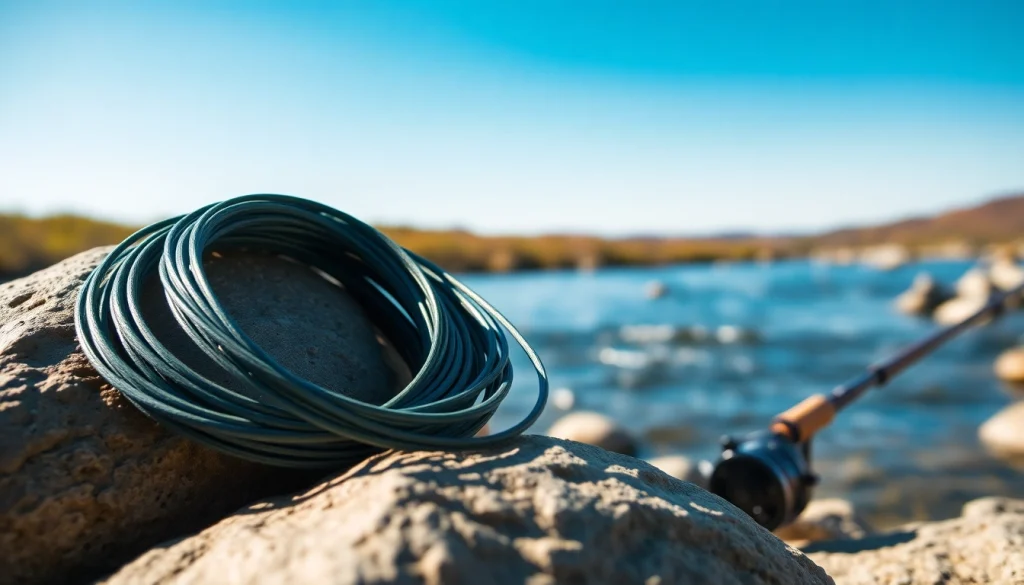
Understanding the Basics of Fly Fishing Line
Fly fishing is not just about the rod or the reel; the Fly fishing line plays a crucial role in determining the success of your fishing experience. Selecting the right fly line can be the difference between an enjoyable day on the water and a frustrating struggle. This article delves into the intricacies of fly fishing line, breaking down its components, types, selection criteria, and maintenance tips to help anglers maximize their fishing potential.
What is a Fly Fishing Line?
A fly fishing line is a specialized fishing line designed to be cast with a fly rod and reel. Unlike traditional fishing lines that rely on weight to cast bait into the water, fly fishing lines are weighted on one end and taper gradually. This design allows for the precise placement of light flies, mimicking the movements of insects to attract fish. The fly line is responsible for transferring casting energy from the angler to the fly, thereby ensuring accuracy and control during the presentation.
Types of Fly Fishing Lines Explained
Understanding the different types of fly fishing lines is vital for every angler. Here are the primary categories:
- Weight Forward (WF) Lines: These lines feature a thicker front section, which helps carry the weight of the line. They are incredibly versatile and suitable for various fishing conditions.
- Double Taper (DT) Lines: These lines are thicker in the middle, tapering at both ends. They provide a gentle presentation and are ideal for delicate casts.
- Shooting Taper Lines: These lines have a long, thin taper that allows for greater distance and faster line retrieval. They are best suited for casting long distances.
- Full-Sinking Lines: Ideal for deep-water fishing, these lines sink completely and are necessary for reaching fish below the surface.
- Floating Lines: Designed to stay atop the water’s surface, floating lines are commonly used in situations where topwater presentations are effective.
- Intermediate Lines: These lines sink slowly, making them perfect for fishing in areas where fish might be hovering just below the surface.
Key Components of Fly Fishing Line Setup
A complete fly fishing setup consists of several key components alongside the line, ensuring optimal performance:
- Backing: This is a thin line attached to the reel that extends beyond the capacity of the fly line. Backing is crucial for catching larger fish that may take long runs.
- Leader Line: A monofilament or fluorocarbon line that connects the fly line to the fly, the leader provides a transparent link that doesn’t spook fish.
- Tippet: A fine line attached to the end of the leader that holds the fly. It is essential to choose appropriate tippet strength based on the target species.
Selecting the Perfect Fly Fishing Line
When it comes to selecting the perfect fly fishing line, several factors come into play. Matching the line to your rod, understanding materials, and considering the fishing environment are paramount.
Matching Line Weight to Rod Specifications
One of the first steps in choosing a fly fishing line is matching it to the weight of your rod. Each fly rod is rated for a specific line weight, which dictates how heavy the line should be for optimal casting. A mismatch can lead to poor performance. For instance, if you are using a 5-weight rod, you should ideally use a 5-weight line to ensure ease of casting and accurate presentations. Refer to the weight ratings often printed on the rod and choose lines accordingly.
Understanding Line Material and Buoyancy
The material of the fly fishing line significantly impacts its performance. Most fly lines are made from PVC or polyurethane, which allow for various buoyancies:
- Floating Lines: Made from a buoyant material that remains on the surface. These lines work well for dry fly fishing.
- Sinking Lines: Designed to sink quickly and remain submerged, effective for deep fishing.
- Intermediate Lines: These lines maintain a neutral buoyancy, submerging partially for a versatile approach.
Choosing Based on Fishing Conditions
Your choice of fly fishing line should also depend on fishing conditions such as water type, species targeted, and environmental factors. For example:
- Still Water: Floating lines are typically preferred in calm waters, allowing for effective presentations of surface flies.
- Moving Water: Sinking or intermediate lines may be better suited, enabling the fly to reach the correct depths quickly.
- Saltwater vs. Freshwater: Saltwater lines are generally more durable and designed to withstand the harsher conditions present in marine environments.
Techniques for Effective Fly Fishing Line Use
Once you have the right line, mastering casting techniques and understanding how to handle the line is critical for success on the water.
Casting Techniques for Beginners
Casting is an essential skill every fly angler must develop. Beginners should focus on the following fundamental techniques:
- The Basic Cast: Hold the rod with two hands, lift it smoothly above your head, and let the line unroll behind you before smoothly casting forward, allowing the rod tip to accelerate.
- Roll Cast: This cast is useful in tight spaces where backcasting isn’t possible. The line is lifted off the water and rolled forward in one smooth motion.
- Double Haul: An advanced technique that allows for longer distance casting by pulling down on the line during the back and forward cast.
Advanced Techniques for Proficient Anglers
For experienced anglers looking to enhance their fishing game, advanced casting techniques can make a significant difference:
- Spey Casting: A technique designed for river fishing where the fly is presented without a backcast.
- Distance Casting: Utilizing body mechanics and line management to achieve optimal distance while maintaining control.
How to Prevent Common Issues with Fly Fishing Line
Common issues when using fly fishing lines can lead to frustration. Here are tips on how to prevent them:
- Line Memory: Store lines properly to prevent coiling. Using line management systems can help.
- Tangled Line: Regularly check for knots and tangles. A well-maintained setup reduces the risk of line issues.
- Wear and Tear: Inspect your line for nicks and abrasion, particularly after fishing in areas with debris or rocks.
Maintaining Your Fly Fishing Line
Proper maintenance of your fly fishing line not only extends its life but also enhances performance.
Best Practices for Storage
To preserve the integrity and performance of your line, follow these best practices:
- Keep Away from Direct Sunlight: UV rays can deteriorate line materials over time, so store your line in a cool, dark place.
- Use Line Spools: When not in use, store your line on its original spool or a dedicated line management system to minimize tangles and kinks.
- Check for Moisture: Ensure that lines are dry before storing them, as moisture can lead to mold and deterioration of materials.
Cleaning Your Fly Fishing Line
Regular cleaning of your fly line is essential for optimal performance. Here’s how:
- Use Soapy Water: Mix mild soap with water and gently clean your line using a soft cloth.
- Rinse Thoroughly: After cleaning, rinse your fly line thoroughly to remove any soap residue.
- Dry Completely: Before storage, ensure the line is fully dry to prevent mold and wear.
When to Replace Your Fly Fishing Line
Knowing when to replace your fly fishing line is crucial for maintaining peak performance:
- Visible Damage: If the line is frayed, cracked, or shows signs of wear, it’s best to replace it.
- Loss of Floating Ability: If a floating line sinks or an intermediate line fails to maintain buoyancy, it’s time for a new line.
- Annual Inspection: Regularly inspect your line at the beginning of each season. If it looks worn or outdated, consider a replacement.
Common Questions About Fly Fishing Line
New anglers often have questions when it comes to fly fishing lines. Below are some frequently asked questions along with concise answers.
How to Determine the Right Fly Fishing Line for Species
Determining the right fly fishing line for a given species involves understanding the size and behaviors of the target fish. Typically, larger species require heavier lines, whereas smaller fish can be caught using lighter lines. Fish type, feeding behavior, and typical water conditions should guide line selection.
Why Does Line Taper Matter?
Line taper affects how the fly is presented to the fish. Different tapers allow for varying levels of control, casting distance, and fly presentation. A long taper may provide better control when casting delicate flies, while a short taper allows for more accurate and longer casts.
Tips for New Fly Fishing Enthusiasts
For beginners diving into fly fishing, consider these tips:
- Understand Your Gear: Familiarize yourself with your line, rod, and reel to optimize casting and retrieval.
- Practice Casting: Regular casting practice helps build muscle memory and precision.
- Learn to Read Water: Understanding how fish behave in different water conditions will increase your chances of making a successful catch.