

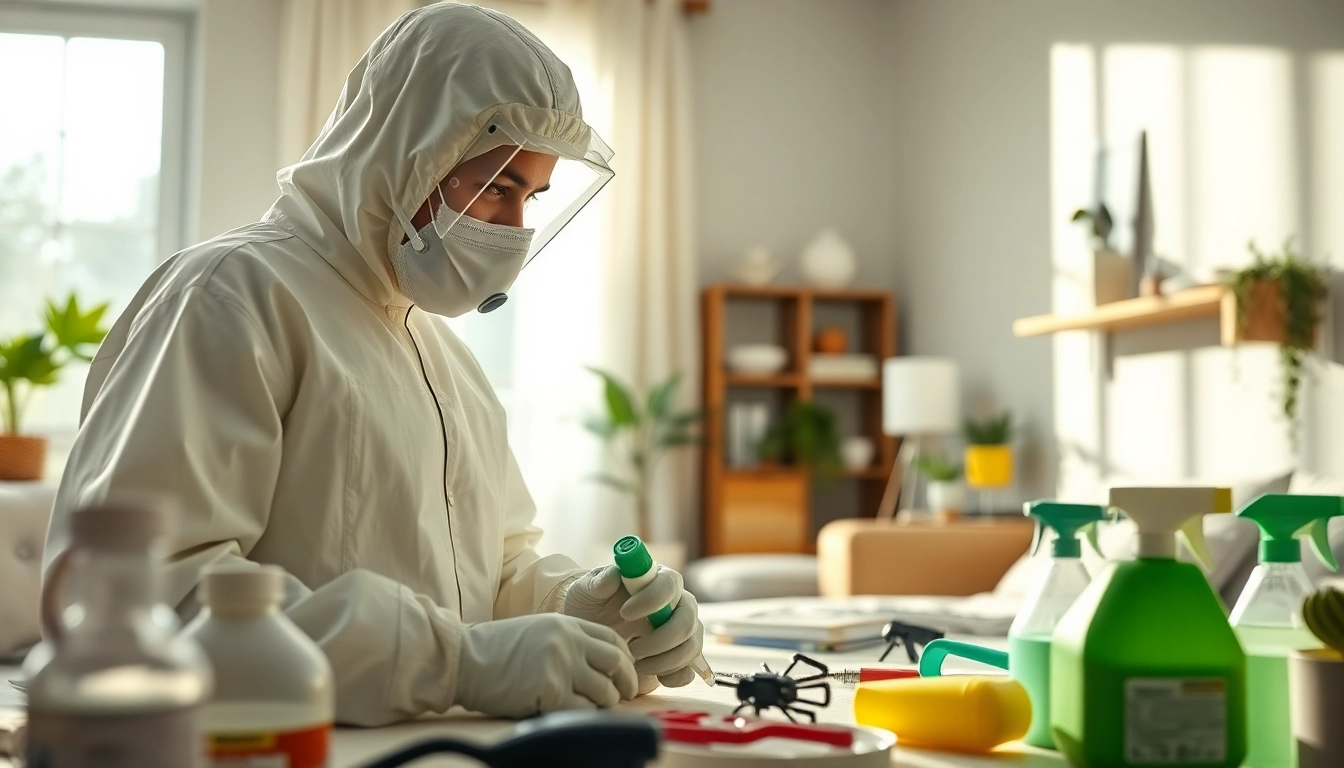
Understanding Bed Bugs: Identification and Behavior
What Are Bed Bugs?
Bed bugs are small, parasitic insects that belong to the Cimicidae family. They primarily feed on the blood of humans and animals, making them a common nuisance in homes, hotels, and other lodging facilities. Adult bed bugs are typically brown, oval-shaped, and measure about ⅛ inch in length, resembling apple seeds in appearance. Their bodies are flattened, allowing them to hide in tiny crevices, such as seams of mattresses, in furniture, and behind wall paper.
Bed bugs are wingless; instead, they move quickly and can crawl at a rate of approximately 3 to 4 feet per minute. One of their most notable features is the ability to reproduce rapidly. A female bed bug can lay between 200 to 500 eggs in her lifetime, with each egg measuring about 1mm in size. This rapid reproduction cycle can lead to a significant infestation within a short period if not addressed promptly. For more information on effective bed bug management, visit https://affordablebedbugexterminators.com.
Signs of Bed Bug Infestation
Identifying a bed bug infestation can be challenging due to their elusive nature and nocturnal habits. However, there are key signs to look for:
- Blood Stains: Small blood stains on sheets and pillowcases are often the first visible signs, caused by bed bugs being crushed after feeding.
- Dark Spots: Fecal matter from bed bugs can leave dark, inky spots on linens, mattresses, and walls.
- Eggs and Shells: Bed bug eggs are tiny and usually found in clusters or on seams and crevices. Shedding skins may also indicate their presence.
- Itchy Bites: Bed bug bites can lead to itchy welts on the skin. However, not everyone reacts to bites, making this an unreliable indicator.
- Musty Odor: A strong, musty odor can emanate from a large infestation, resulting from the bed bugs’ scent glands.
Why Bed Bugs Are Increasingly Common
The resurgence of bed bugs in recent years can be attributed to several factors:
- Increased Travel: As international travel rises, so does the risk of bringing bed bugs home from hotels and public places.
- Resistance to Chemicals: Many bed bugs have developed resistance to common pesticides, making it more challenging to eliminate them effectively.
- Urbanization: High-density living conditions in urban areas promote easier bed bug travel between apartments and homes.
- Second-Hand Furniture: Buying used furniture and appliances without proper inspection can introduce bed bugs into previously unaffected homes.
Bed Bug Treatment Options Available
Chemical Treatments: What to Expect
Chemical treatments are one of the most commonly used methods for bed bug extermination. These treatments include various insecticides designed to kill bed bugs at all life stages, from eggs to adults. The effectiveness of chemical treatments largely depends on proper application and the specific products used.
When considering chemical treatments, it is crucial to understand that some bed bug populations may have developed resistance to common insecticides. Therefore, pest control professionals often use a combination of products to achieve optimal results. Additionally, it is essential to follow safety guidelines during treatment, such as vacating the premises temporarily and ensuring pets are kept away from treated areas.
Heat Treatments: Advantages and Limitations
Heat treatments involve raising the temperature of the affected area to a level that is lethal to bed bugs, typically above 120°F (49°C). This method is particularly effective because it kills bugs at all stages, including eggs, in a short amount of time. Moreover, heat treatments are chemical-free, which is a significant advantage for households concerned about chemical exposure.
However, heat treatments also have limitations. They require advanced equipment and experienced professionals to ensure the heat penetrates all nooks and crannies where bed bugs may hide. Additionally, items that cannot withstand high temperatures, such as electronics or certain fabrics, may need special consideration during treatment.
Combination Approaches for Maximum Effectiveness
Combining different treatment methods often yields the best results in bed bug eradication. For instance, using chemical sprays in conjunction with heat treatments can address various infestation levels and potential resistance issues effectively. This integrated pest management approach not only maximizes the effectiveness of the treatments but also enhances the chances of complete elimination of bed bugs from your home.
Preparation Steps Before Treatment
The Importance of a Bed Bug Preparation Checklist
Thorough preparation is key to successful bed bug treatment. A preparation checklist helps ensure that all necessary steps are taken before extermination begins. Following a structured plan prevents delays and enhances the effectiveness of the chosen treatment method. Below are essential items to include in your preparation checklist:
- Declutter: Remove items from floors, surfaces, and areas around beds to provide pest control professionals with unhindered access.
- Wash Bedding: Launder all bedding, linens, and clothing in hot water to kill any hidden bugs. Dry them on high heat to ensure all stages of bed bugs are eliminated.
- Vacuum Thoroughly: Vacuum carpets, furniture, and any potential hiding spaces to remove any visible bed bugs and eggs.
- Seal Cracks and Crevices: Inspect your home for any cracks or gaps and seal them properly to prevent bed bugs from relocating.
How to Safely Prepare Your Home
Preparing your home for bed bug treatment is as much about safety as it is about accessibility. Here are several tips to ensure a safe and effective preparation:
- First, ensure that children and pets are kept in a safe location away from treated spaces during extermination.
- Communicate with your pest control service regarding any specific preparation guidelines they recommend.
- After vacuuming, dispose of the vacuum bag properly in a sealed plastic bag to prevent any chance of re-infestation.
What Not to Do Before Extermination
While preparation is vital, there are common mistakes that can hinder the effectiveness of treatment:
- Avoid Moving Furniture: Moving infested furniture can spread bed bugs to other areas of the home.
- Do Not Use Unverified Home Remedies: Many DIY solutions may not be effective and can complicate professional treatments.
- Do Not Ignore Professional Advice: Always follow the instructions provided by pest control professionals for the best results.
Post-Treatment Care and Prevention
Steps to Take After Bed Bug Treatment
Once bed bug extermination has occurred, it’s essential to follow specific steps to ensure the best outcomes. Here are some post-treatment actions to consider:
- Wait: After treatment, keep treated areas unoccupied for at least the time recommended by the exterminator.
- Inspect: Regularly check for any signs of returning bed bugs during the weeks following treatment.
- Launder: Continue to wash bedding and clothing regularly, especially items that could have been left in contact with infested areas.
Long-term Prevention Strategies
Prevention is crucial to avoid another infestation. Here are some strategic measures to incorporate into your routine:
- Regularly inspect any second-hand furniture before bringing it into your home.
- Use mattress and box spring encasements designed specifically to trap bed bugs and prevent them from escaping.
- Maintain cleanliness and organization in your home to minimize hiding places for bed bugs.
- Consider professional inspections if you travel frequently or if you live in high-density housing.
How to Handle Possible Relapse
Even after thorough treatment, there’s a chance of reinfestation. If you suspect that bed bugs have returned, take the following steps:
- Immediately inspect affected areas and repeat necessary cleaning practices.
- Consult your pest control professional about potential follow-up treatments or alternative approaches.
- Document the signs of re-infestation to provide precise information to professionals for targeted treatment strategies.
Frequently Asked Questions About Bed Bugs
How Quickly Can Bed Bug Treatments Work?
The duration for seeing results can vary based on the treatment method employed and the extent of the infestation. Chemical treatments may show immediate results in killing visible bed bugs, whilst heat treatments provide comprehensive eradication over time.
Are Home Remedies Effective?
While some home remedies may help to manage minor infestations, they are generally not effective as standalone solutions. Professional treatments are recommended for effective, long-lasting elimination.
What to Do If You See Bed Bugs Again?
If you spot bed bugs after treatment, do not panic. Document the evidence and contact your pest control provider immediately for assistance to address the situation swiftly and effectively.