

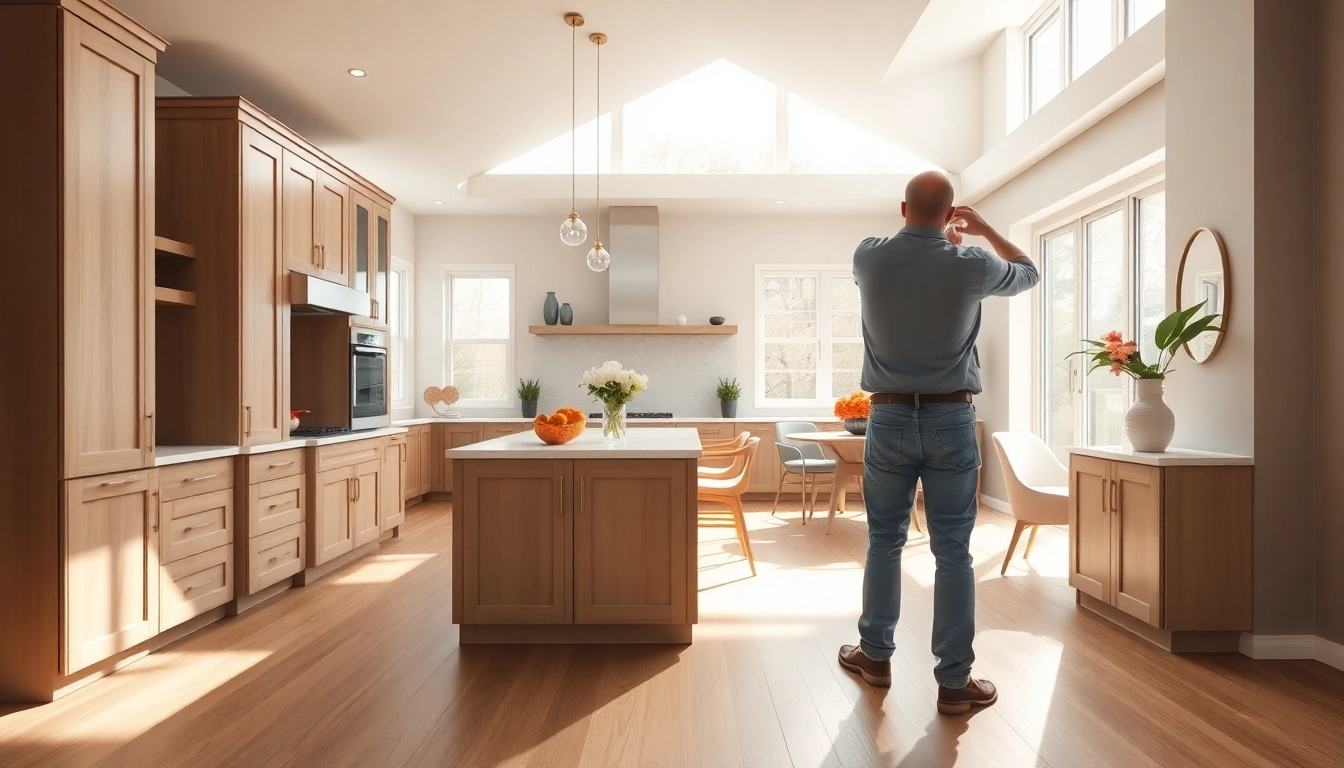
Understanding Home Renovation Basics
Home renovation is a transformative endeavor that can enhance your living space, increase property value, and express your personal style. Whether you are looking to upgrade your kitchen, add additional space, or modernize your bathroom, understanding the fundamentals of home renovation is crucial. The process not only requires careful planning but also a clear vision of what you want to achieve. For those new to the concept, this comprehensive guide will dive into the essential aspects of Home renovation projects, helping you navigate from initial ideas through execution and beyond.
What Is Home Renovation?
Home renovation refers to the process of improving or modifying a residential structure. This may include upgrading interior elements, expanding the living space, or performing essential repairs. Renovations can range from minor changes—like repainting walls or replacing fixtures—to significant modifications, like adding new rooms or stories, completely altering layouts, or modernizing essential systems (plumbing, electrical, HVAC).
The goal of any renovation is typically to enhance the functionality and aesthetic appeal of a property while also addressing underlying issues that may affect safety or livability.
Common Reasons for Renovating
Several motivations can drive a homeowner to undertake a renovation project:
- Increased Value: Renovations can significantly enhance a home’s market value, making it more appealing to potential buyers.
- Functionality: Many renovations focus on improving the usability of living spaces. For instance, creating open floor plans or adding multi-purpose rooms can make a home more accommodating for modern lifestyles.
- Aesthetics: Homeowners often choose to renovate simply to modernize and beautify their spaces, incorporating current design trends and personal tastes.
- Energy Efficiency: Upgrading older systems and materials—such as windows, insulation, and appliances—can lead to significant savings on energy costs and improve overall sustainability.
Different Types of Home Renovation
Home renovations can be categorized into several types, each serving distinct purposes and needing varying levels of investment:
- Cosmetic Renovations: These are primarily aesthetic changes, such as painting, flooring upgrades, and landscaping, that primarily focus on improving the home’s visual appeal.
- Structural Renovations: These involve changes to the home’s structure, including adding rooms, removing walls, and reinforcing foundations for better stability and utility.
- System Upgrades: Upgrading electrical, plumbing, and HVAC systems to meet modern standards and improve efficiency falls under this category.
- Historic Renovation: This type involves restoring a home to its original state or updating it in a manner that maintains its historical significance, often blending modern amenities with classic designs.
Planning Your Home Renovation Project
Successful home renovations start with meticulous planning. Preparing a comprehensive plan ensures that the project runs smoothly and meets both your expectations and budget.
Setting a Budget for Home Renovation
Establishing a realistic budget is fundamental before diving into any renovation project. It enables you to prioritize your needs and desires without overspending. Start by evaluating your finances to determine how much you can afford. Here’s a breakdown of steps to help create your budget:
- Assess Your Finances: Look at your current financial situation, credit options, and available resources.
- Research Costs: Gather estimates for materials, labor, and permits. Websites, home improvement stores, and professional contractors can provide valuable insights into potential costs.
- Include a Contingency Fund: Set aside 10-20% of your budget for unexpected expenses that may arise during the renovation process.
- Categorize Your Expenses: Divide your budget into essential categories such as labor, materials, permits, and additional costs like inspection fees.
Creating a Timeline for Your Renovation
A well-structured timeline is essential for keeping the renovation process on track. Consider the following points when creating your timeline:
- Define Project Scope: Clearly define what will be included in the renovation to avoid scope creep, which can delay completion and inflate costs.
- Sequence Tasks Efficiently: Identify which tasks need to be completed before others can begin. For example, demolition must precede construction, and painting should occur before flooring is installed.
- Coordinate with Contractors: Collaborate with your chosen contractors to create a realistic schedule that incorporates their availability and any potential delays.
- Set Milestones: Establish key milestones throughout the project to track progress and ensure the project stays on track.
Choosing the Right Contractors for Home Renovation
Finding the right professionals can make or break your renovation. Here are some tips to help you select qualified contractors:
- Collect Recommendations: Ask friends, family, and neighbors for references or read reviews online to identify reputable contractors.
- Verify Credentials: Ensure contractors are licensed, insured, and have positive reviews or ratings from previous clients.
- Request Multiple Quotes: Get quotes from several contractors to compare costs, approaches, and timelines.
- Conduct Interviews: Have in-depth discussions with your candidates to assess their communication skills and understanding of your project.
Design Considerations in Home Renovation
Design plays a pivotal role in successful home renovations. By considering current trends, functional layouts, and appropriate materials, homeowners can ensure their renovations meet both practical needs and aesthetic desires.
Incorporating Current Trends into Your Home Renovation
Staying updated with current design trends can enhance the appeal and functionality of your renovated space. Here are some trends to consider:
- Open Floor Plans: Emphasizing connectivity and fluidity between living spaces can create a larger, more inviting atmosphere.
- Smart Home Technology: Integrating smart technology—like automated lighting, heating, and security systems—can improve convenience and efficiency.
- Sustainable Materials: Utilizing eco-friendly materials and energy-efficient systems supports sustainability while appealing to environmentally-conscious buyers.
- Minimalistic Aesthetics: Clean lines and a lack of clutter can make spaces feel larger and more inviting, aligning with contemporary living ideals.
Functional Layouts for Modern Living
Creating functional layouts is paramount during renovations. Here are tips to consider:
- Prioritize Workflow: Especially in kitchens and bathrooms, maintain a logical flow by positioning appliances and fixtures strategically for ease of use.
- Utilize Space Efficiently: Make the most of available space by incorporating built-in storage, multi-functional furniture, and innovative design solutions.
- Consider Future Needs: Design with agility in mind—considering potential changes in your lifestyle may prevent the need for future renovations.
Choosing Materials for Your Home Renovation
The selection of materials can significantly affect both the aesthetics and functionality of your renovated space. Here are important factors to consider when choosing materials:
- Durability: Opt for materials that can withstand the wear and tear of everyday use, especially in high-traffic areas.
- Maintenance: Choose low-maintenance materials when possible to simplify the upkeep of your home after renovation.
- Energy Efficiency: Consider energy-efficient alternatives, such as double-glazed windows or sustainable flooring options, to reduce long-term costs.
- Style and Design: Ensure materials align with your design vision and complement each other throughout the home.
Executing the Home Renovation Process
The actual execution of your renovation plan is where the abstract planning transforms into tangible results. This phase requires close attention to detail, collaboration, and adaptability to unforeseen challenges.
Essential Steps in Home Renovation
The execution of a renovation project can be broken down into key steps:
- Prepare the Site: Clear the area of all furniture and belongings to create a safe working environment. If applicable, arrange for temporary housing during extensive renovations.
- Begin with Structural Work: Focus on foundational changes first, including framing, plumbing, electrical, and HVAC adjustments, before moving on to cosmetic updates.
- Install Permanent Fixtures: Proceed with installing cabinets, countertops, flooring, and other permanent features.
- Implement Finishing Touches: Finally, adorn your renovated space with paint, decor, lighting, and other aesthetic elements that reflect your personal style.
Challenges to Anticipate During Renovation
While renovations can be rewarding, they often come with challenges. Being aware of common issues can prepare you for effective problem-solving:
- Budget Overruns: Ensure to communicate transparently with contractors regarding your budget and maintain strict monitoring of expenditures.
- Delays: Weather, supply chain issues, or contractor availability can impede progress. Build in buffer time to your timeline where feasible.
- Design Misalignment: Regularly communicate with your team to ensure that all parties remain aligned with your design vision and requirements.
Maintaining Quality Throughout the Renovation
Quality control should be a continual aspect during renovation. Here are some strategies to ensure high standards are maintained:
- Regular Inspections: Schedule regular site visits to assess progress and quality of workmanship. Address issues as they arise to avoid larger problems later.
- Communicate Openly: Maintain an open line of communication with contractors to clarify expectations and promptly address concerns.
- Stick to the Plan: Ensure all work remains aligned with your initial design plan, with flexibility to adapt when necessary without compromising quality.
Post-Renovation Considerations
Once your renovation is complete, the focus shifts to evaluating outcomes, regular maintenance, and ensuring that enhancements have led to improved value and function.
Evaluating Your Renovation Success
After the project is completed, take time to evaluate the success of your renovation:
- Assess Functionality: Determine if the space meets your needs and expectations. Spend time in the renovated areas to gauge comfort and usability.
- Visual Appeal: Reflect on whether the aesthetic aligns with your vision and if all aspects work harmoniously together.
- Budget Considerations: Review your final expenditures versus the original budget, taking note of any significant discrepancies and their causes.
Home Maintenance After Renovation
Maintaining your newly renovated space is essential for preserving its beauty and functionality. Consider following these maintenance practices:
- Regular Cleaning: Establish a consistent cleaning schedule that addresses both visible surfaces and hard-to-reach areas.
- Inspect Systems and Structures: Routinely monitor systems such as HVAC, plumbing, and electrical, addressing minor issues before they become larger concerns.
- Seasonal Upkeep: Perform seasonal checks to ensure that features such as gutters, roofing, and exterior paint are in good condition.
Enhancing Home Value Through Renovation
The overarching goal of many home renovations is to enhance property value. Here are several strategies to maximize the return on investment from your renovation:
- Focus on High-Impact Areas: Prioritize kitchen and bathroom renovations that typically yield significant returns.
- Improve Curb Appeal: Invest in landscaping and exterior upgrades, as first impressions can heavily influence prospective buyers.
- Stay True to Regional Styles: Ensure that renovations are in line with styles prevalent in your area to maintain marketability.