

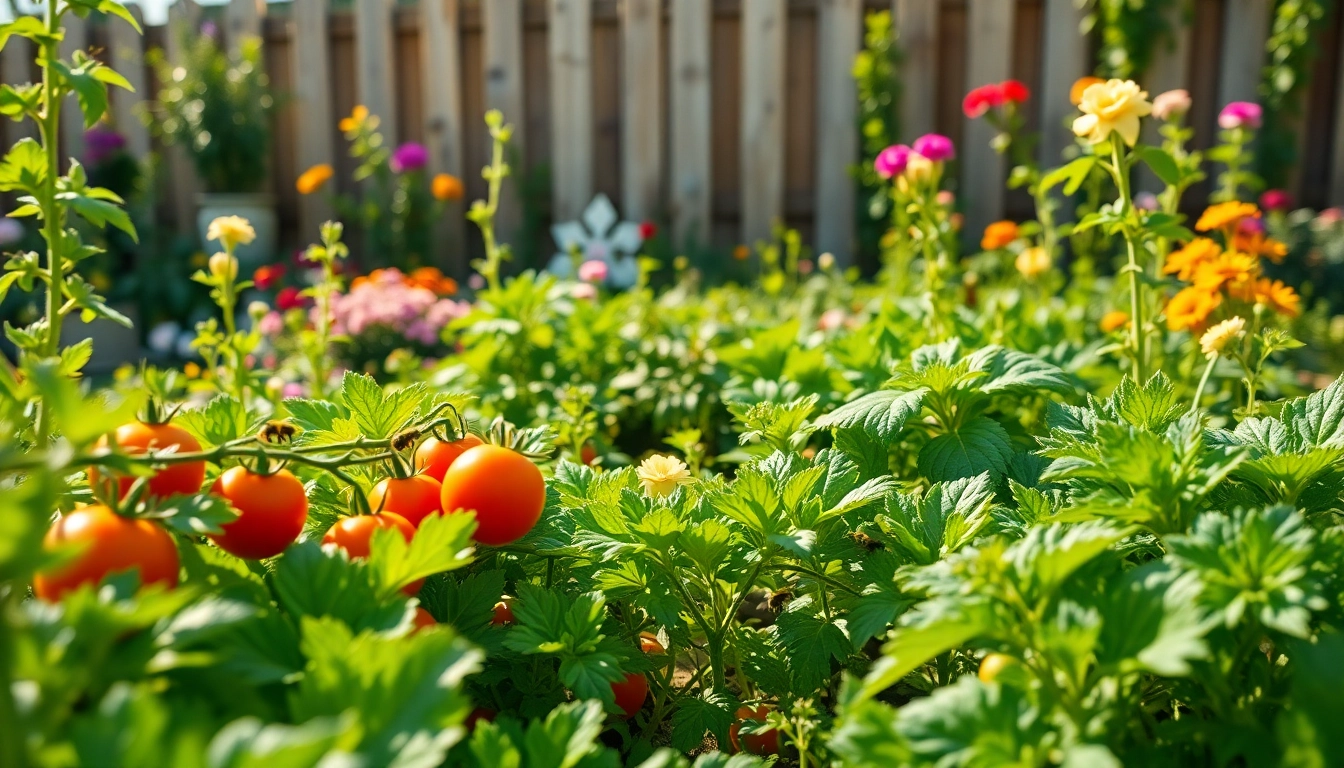
Getting Started with Gardening
Gardening is an age-old practice that connects us with nature while simultaneously offering a rewarding and fulfilling experience. Whether you are aiming for vibrant flowers, fresh vegetables, or lush landscape designs, understanding the foundational elements of Gardening is essential. This comprehensive guide will provide you with the essential knowledge needed to embark on or enhance your gardening journey.
Choosing the Right Space for Gardening
One of the first steps to successful gardening is selecting an appropriate space. Here are several factors to consider:
- Sunlight: Most plants require at least 6 hours of direct sunlight per day. Observe your area at different times to understand sun exposure.
- Accessibility: Choose a location that is easily reachable for watering, maintenance, and harvesting.
- Water Source: Proximity to a water supply is crucial, whether through a hose or a nearby spigot.
- Drainage: Avoid areas where water tends to pool. Ensure the soil drains well to prevent root rot.
After evaluating these factors, you’ll be better equipped to choose the ideal gardening site that caters to your needs and the plants you wish to cultivate.
Understanding Soil Types and Preparation for Gardening
The soil is the cornerstone of your gardening success. Understanding different soil types and how to prepare them is critical:
- Sandy Soil: Drains quickly and warms up fast but lacks nutrients. Consider amending it with organic matter.
- Clay Soil: Retains moisture and is rich in minerals but can be compacted and low in drainage. Adding compost can improve its texture.
- Silty Soil: Fertile and retains moisture well, but can become compacted. Regular tilling and adding organic matter can enhance its structure.
- Loamy Soil: A balanced combination of sand, silt, and clay that is ideal for gardening.
Before planting, test your soil’s pH and nutrient levels. Based on the results, amend the soil with lime to raise pH or sulfur to lower it, as needed. Incorporating organic compost will enhance soil fertility and structure, providing an excellent foundation for plant growth.
Essential Tools and Supplies for Gardening
Having the right tools makes gardening significantly easier and more enjoyable. Here’s a list of essential tools:
- Hand Trowel: Ideal for digging small holes and transplanting seedlings.
- Pruning Shears: Essential for trimming plants and harvesting.
- Garden Fork: Useful for turning soil and mixing compost.
- Hose or Watering Can: Needed for efficient watering.
- Gloves: To protect your hands from dirt and sharp objects.
- Rake and Hoe: For preparing garden beds and managing weeds.
Investing in high-quality tools will lead to increased efficiency and longevity in your gardening endeavors.
Plant Selection and Growing Techniques in Gardening
Understanding what to plant and how to grow it effectively is the next vital step. This section discusses various planting options and techniques.
Annual vs. Perennial Plants for Gardening
One of the first decisions a gardener must make is whether to plant annuals or perennials:
- Annuals: These plants complete their life cycle in one season. Examples include marigolds and zinnias. They are great for adding seasonal color but require replanting each year.
- Perennials: Typically live for more than two years and can provide lasting beauty. Examples include peonies and daylilies. They are low-maintenance once established.
Choosing a mix of both can provide a robust and dynamic garden that changes with the seasons.
Companion Planting Strategies in Gardening
Companion planting is a method where certain plants are grown together for mutual benefit. This can include:
- Deterring Pests: Some plants, like marigolds, can repel harmful insects when planted alongside vegetables.
- Enhancing Growth: Certain plants, such as beans, can improve nutrient availability in the soil for neighboring plants.
- Attracting Pollinators: Flowers like borage attract bees, which can improve pollination of edible plants.
Research common companion pairs in your specific gardening zone to optimize your garden’s health and productivity.
Seed Starting Tips for Gardening Enthusiasts
Starting seeds indoors can give you a head start in the growing season. Here are some tips to consider:
- Choose Quality Seeds: Opt for seeds known for their excellent germination rates.
- Use Seed-Starting Mix: Specialized seed-starting mixes provide proper drainage and aeration.
- Provide Proper Light: Use grow lights or place seedlings in a bright area to prevent leggy growth.
- Maintain Moisture: Keep the soil moist, but not soggy, for optimal seed germination.
Once seedlings develop their first true leaves, they should be transplanting into larger containers, gradually acclimating them to outdoor conditions before planting in the garden.
Maintaining Your Garden: Watering, Weeding, and Pest Control
Maintaining a garden requires consistent attention and care. This section will guide you through crucial aspects of garden maintenance to ensure your plants thrive.
Effective Watering Practices for Gardening
Proper watering techniques can make or break your garden’s health. Here are some best practices:
- Water Deeply: Encourage deep root growth by watering thoroughly but less frequently.
- Water Early Morning or Late Afternoon: Reducing evaporation during peak sun hours helps retain moisture.
- Use Mulch: Applying mulch can help retain soil moisture and reduce weed growth.
- Check Soil Moisture: Use your finger to evaluate moisture levels before watering.
Understanding the water needs of different plants will also help tailor your watering approach.
Identifying and Managing Common Pests in Gardening
Pest control is an integral part of maintaining a healthy garden. Knowing how to identify and manage common garden pests will equip you for challenges that arise:
- Aphids: Small, soft-bodied insects that suck sap from plants. Strong water sprays or neem oil can help control them.
- Slugs: These slimy pests can decimate young seedlings. Barriers such as crushed eggshells can deter them.
- Spider Mites: A sign of spider mites includes webbing on plants. Keeping plants well-watered and spraying with water can alleviate an infestation.
Employing several approaches, including natural predators and organic treatments, can help manage pests without harmful chemicals.
Weeding Strategies for a Healthy Garden
Weeds can compete with your plants for nutrients and space. Strategies for effective weeding include:
- Regular Maintenance: Regularly check your garden and remove weeds before they establish deep roots.
- Mulching: Using organic materials can effectively block sunlight, limiting weed growth.
- Hand Weeding: For smaller gardens, hand-pulling is effective and allows you to remove weeds at the root.
Consider using landscape fabric for larger areas to suppress further weed growth.
Advanced Gardening Techniques for Better Yields
Once comfortable with basic gardening practices, you can explore advanced techniques to maximize yield and sustainability. This section discusses methods that improve garden productivity.
Organic Gardening Practices for Sustainability
Using organic gardening methods benefits your plants and the environment:
- Natural Pesticides: Use diatomaceous earth or insecticidal soap for pest management instead of synthetic chemicals.
- Composting: Create a compost bin to recycle kitchen scraps and yard waste, enriching your soil organically.
- Crop Rotation: Rotating crops annually can help prevent soil nutrient depletion and minimize pest problems.
Organic methods not only promote a healthier garden but are also friendlier to the ecosystem.
Crop Rotation Benefits in Gardening
Crop rotation is a proven technique to boost soil health. The benefits include:
- Improved Soil Fertility: Different plants require varying nutrients; rotating crops helps maintain balanced soil nutrients.
- Reduction of Pests and Diseases: Changing plant families every growing season helps disrupt pest and disease cycles.
- Enhanced Biodiversity: Planting diverse crops encourages beneficial organisms and enhances soil structure.
Plan a crop rotation schedule that considers plant families and nutrient needs for optimal results.
Using Mulch and Compost to Enhance Gardening
Incorporating mulch and compost not only improves soil quality but also supports healthy plant growth:
- Mulch: Applying a layer of organic mulch conserves moisture, suppresses weeds, and enriches the soil as it breaks down.
- Compost: Mixing finished compost into your garden beds enhances nutrient content and helps in retaining soil moisture.
These practices will lead to improved plant health, greater yields, and a more sustainable gardening approach.
Harvesting and Enjoying the Fruits of Your Gardening Labor
Finally, after months of nurturing your garden, it becomes time for the rewarding task of harvesting your produce. This section covers best practices for harvesting and utilizing your yield effectively.
When and How to Harvest Different Plants in Gardening
Understanding the best time and method for harvesting different plants is essential:
- Fruits: Harvest when fully colored and firm, but before they start to wrinkle.
- Vegetables: Many leafy greens can be cut when young for a tender taste. Root vegetables should be harvested when they reach desirable sizes.
- Herbs: Cut stems with green leaves in the morning for the best flavor, leaving part of the plant to continue growing.
Use sharp tools for cutting to avoid damaging plants during the harvesting process.
Storing and Preserving Your Garden Produce
After harvesting, proper storage and preservation methods will help you enjoy your garden’s bounty for longer:
- Refrigeration: Most vegetables benefit from being stored in the fridge, while warm-colored veggies generally last longer at room temperature.
- Freezing: Blanching vegetables before freezing preserves color, texture, and taste.
- Canning: Fruits can be canned in jams, jellies, or preserved in jars for long-term storage.
Research specific preservation techniques for your crops to maximize their shelf life and quality.
Preparing Delicious Recipes Using Your Gardening Harvest
Using homegrown produce can inspire creativity in the kitchen. Here are some quick ideas to utilize your harvested goods:
- Fresh Salads: Combine various leafy greens, tomatoes, and cucumbers for vibrant salads.
- Stir-Fries: Use fresh vegetables in quick stir-fries for flavorful dishes.
- Pickling: Create tangy pickles using cucumbers or other veggies for a delightful addition to meals.
Experimenting with recipes also allows for the celebration of your hard work, turning every harvest into a culinary delight.