
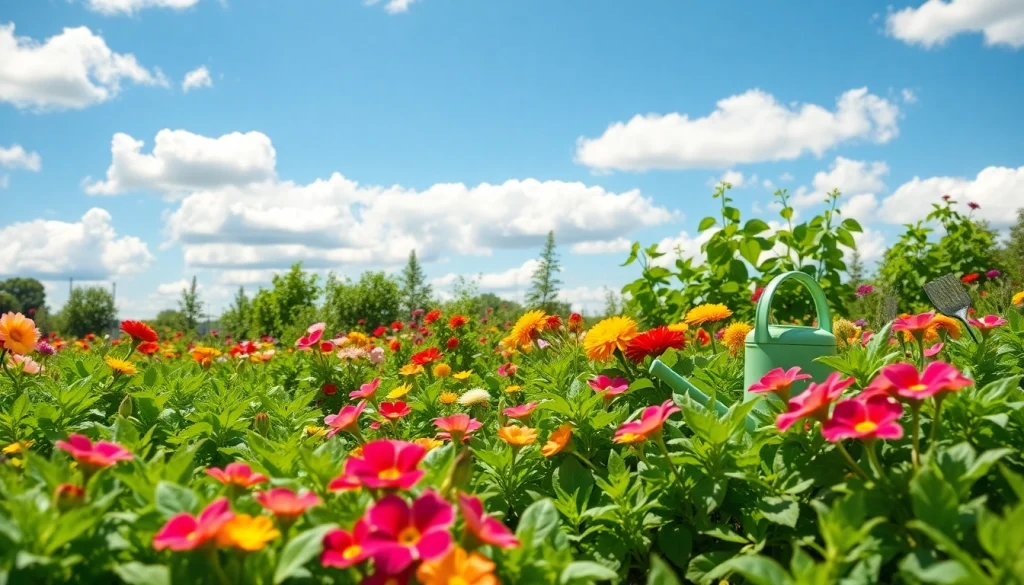
Introduction to Gardening Basics
Gardening is a fulfilling and rewarding hobby that offers numerous benefits, ranging from improving mental health to providing fresh produce. For those newcomers to the world of Gardening, understanding the basics is essential for cultivating a flourishing garden. In this comprehensive guide, we will explore the various facets of gardening, including the importance of gardening, essential tools, plant selection, soil maintenance, watering practices, and innovative techniques for growing your garden sustainably.
Understanding the Importance of Gardening
Gardening is much more than just planting seeds in the soil; it is a way to connect with nature, promote sustainability, and contribute to environmental health. The benefits of gardening can be categorized into several key areas:
- Physical Health: Engaging in gardening activities promotes physical fitness through stretching, digging, and lifting, which can improve cardiovascular health and facilitate weight management.
- Mental Wellbeing: Gardening has been shown to reduce stress and anxiety. The act of nurturing plants fosters a sense of responsibility and achievement, which can enhance mood and cognitive function.
- Environmental Impact: Home gardens contribute to biodiversity by providing habitats for pollinators and other wildlife. They also aid in reducing carbon footprints and improving air quality.
- Fresh Produce: Growing your vegetables and fruits ensures access to fresh, chemical-free produce, leading to healthier eating habits.
Essential Tools for Every Gardener
To successfully manage a garden, a gardener must equip themselves with essential tools that facilitate various tasks. Here are some must-have gardening tools:
- Garden Trowel: A versatile tool for digging, planting, and transplanting.
- Pruning Shears: Essential for trimming and shaping plants, promoting healthy growth.
- Gloves: Protect hands from thorns, irritants, and blisters.
- Watering Can: Ideal for controlled watering, especially for potted plants.
- Spade: Useful for digging larger areas and moving soil.
- Rake: Helps in loosening soil and collecting debris.
Types of Gardening: From Vegetable to Ornamental
Different gardeners have different objectives, resulting in diverse styles of gardening, each with its unique appeal:
- Vegetable Gardening: Focused on growing edible plants, providing a direct source of fresh produce.
- Herb Gardening: Specializes in culinary and medicinal herbs, enhancing flavor in cooking and offering health benefits.
- Flower Gardening: Centers around cultivating flowering plants for decorative purposes, improving aesthetic appeal.
- Ornamental Gardening: Involves planting attractive plants and designs for visual impact, often including decorative elements like sculptures.
- Container Gardening: Allows for flexibility, ideal for limited spaces or urban settings. Plants thrive in a variety of containers.
Choosing the Right Plants for Your Garden
Selecting the right plants is critical for the success of any gardening project. The following guidelines will assist you in making informed choices:
Factors to Consider When Selecting Plants
Before deciding on which plants to grow, consider these factors:
- Climate: Assess your local climate, including its hardiness zone, which influences plant survival.
- Soil Type: Different plants thrive in various soil conditions, so it’s crucial to determine the type of soil you have.
- Sunlight: Identify how much sunlight your garden receives daily—full sun, partial shade, or full shade—affecting plant growth.
- Water Requirements: Choose plants based on their water needs, ensuring compatibility with your watering routine.
Seasonal Planting: What to Grow When
Understanding seasonal planting will help you optimize your gardening efforts:
- Spring: Ideal for planting cool-season crops like peas and lettuce.
- Summer: Time to grow warm-season vegetables like tomatoes and peppers.
- Autumn: Suitable for planting perennials, bulbs, and cover crops.
- Winter: A perfect opportunity for indoor planting or tending to root vegetables.
Companion Planting for Optimal Growth
Companion planting involves grouping plants that benefit each other. This technique can enhance growth, deter pests, and create a balanced ecosystem within the garden. Examples of beneficial pairings include:
- Tomatoes and Basil: Basil enhances the growth and flavor of tomatoes while repelling pests.
- Carrots and Onions: Carrots help deter the onion fly, while onions ward off carrot rust fly.
- Marigolds and Various Plants: Marigolds deter nematodes and other harmful insects, making them excellent companions in vegetable gardens.
Soil Preparation and Maintenance
Healthy soil is the foundation for a successful garden. Proper soil preparation and maintenance will significantly enhance your plants’ growth potential.
Importance of Soil Health in Gardening
Healthy soil is essential for nutrient availability, water retention, and supporting beneficial microorganisms that enhance plant health. Regular soil maintenance promotes fertility and sustainability.
How to Test and Amend Your Soil
Testing your soil will give insights into its nutrient content and pH level. Here’s how to proceed:
- Collect Soil Samples: Gather samples from various locations in your garden.
- Use a Soil Test Kit: Follow the kit’s instructions to analyze pH and nutrient levels.
- Amendments: Based on test results, add compost, organic fertilizers, lime, or sulfur to optimize soil conditions.
Effective Mulching Techniques
Mulching is a highly effective practice that involves covering the soil surface. Benefits include:
- Weed Control: Mulch suppresses weed growth by blocking sunlight.
- Moisture Retention: Keeps the soil damp and reduces the frequency of watering.
- Soil Temperature Regulation: Insulates the soil against temperature extremes.
Popular mulch materials include straw, wood chips, grass clippings, and compost.
Watering and Fertilizing Your Garden
Proper watering and fertilizing practices are crucial for sustaining plant growth and health.
Best Practices for Watering Your Plants
Efficient watering strategies will ensure plants receive the moisture they need while conserving water:
- Water Deeply, Less Frequently: Encourage deep root systems with infrequent, thorough watering.
- Water Early or Late: Avoid midday watering to reduce evaporation.
- Use Drip Irrigation: Conserves water and delivers moisture directly to the root zone.
Choosing the Right Fertilizer for Your Garden
Finding the right fertilizer will depend on your specific soil needs and the plants you are growing:
- Organic Fertilizers: Such as compost, manure, and bone meal, which enhance soil fertility and promote microbial activity.
- Inorganic Fertilizers: Provide quick nutrient availability but require careful application to avoid burnout.
Regularly monitor plant health to determine when to fertilize and adjust based on plant growth stages.
Understanding the Role of Natural Fertilizers
Natural fertilizers, derived from plant or animal sources, promote long-term soil health. Examples include:
- Compost: Enhances soil structure and fertility.
- Seaweed Extracts: Provide micronutrients and growth hormones.
- Fish Emulsions: Rich in nitrogen and beneficial organisms.
Advanced Gardening Techniques
For those looking to elevate their gardening skills further, here are some advanced techniques to consider:
Organic Gardening Practices
Organic gardening focuses on biodiversity and ecological balance. Key practices include:
- No-Till Gardening: Minimizes soil disturbance, preserving soil health.
- Crop Rotation: Alternating plant families to prevent soil nutrient depletion.
- Natural Pest Control: Utilize beneficial insects and organic repellents to manage pests without chemicals.
Hydroponics: Gardening Without Soil
Hydroponics is an exciting method of growing plants directly in nutrient-rich water solutions. This technique allows for space efficiency and can produce faster growth rates. Key considerations include:
- Types of Systems: Explore options such as Nutrient Film Technique (NFT), Deep Water Culture (DWC), and Ebb and Flow systems.
- Nutrients: Supply essential macro and micronutrients to support plant health in the nutrient solutions.
Sustainable Gardening and Environmental Impact
Sustainability in gardening involves adopting practices that lessen environmental impacts, such as:
- Rainwater Harvesting: Collecting rainwater for irrigation.
- Native Plant Gardening: Encouraging local biodiversity and requiring less maintenance and resources.
- Permaculture Principles: Designing gardens to mimic natural ecosystems for long-term sustainability.
In conclusion, whether you are a novice gardener embarking on your first planting adventure or an experienced green thumb seeking to enhance your practices, understanding these fundamental aspects of gardening is essential. With the right knowledge, tools, and techniques, anyone can cultivate a thriving garden that not only beautifies their surroundings but also contributes positively to their health and the environment.