
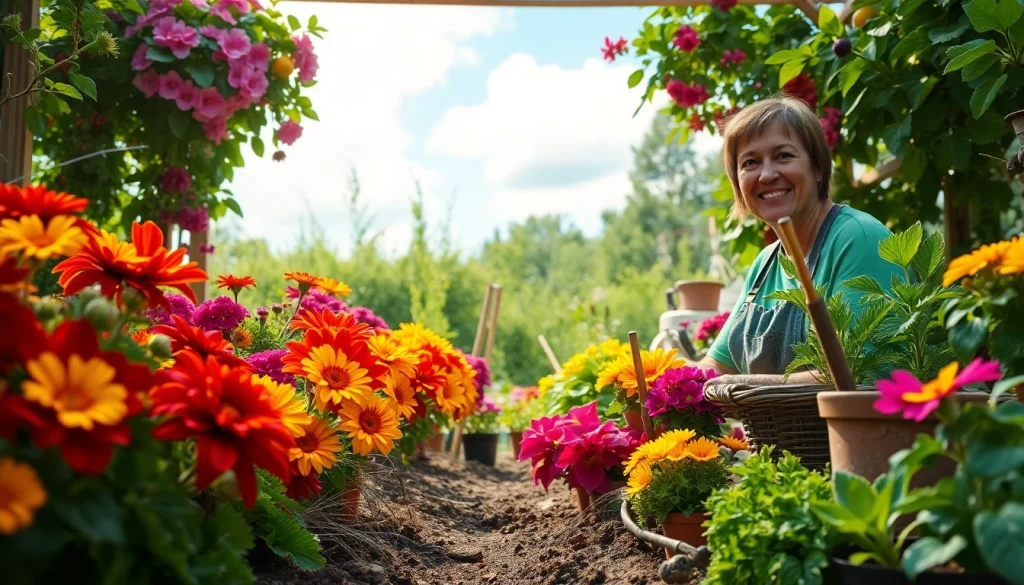
The Basics of Gardening: Getting Started
Gardening is more than just a hobby; it’s a way to connect with nature, improve your environment, and even grow your own food. Whether you’re a beginner or looking to enhance your skills, understanding the fundamentals is crucial. In this comprehensive guide, we will delve into essential aspects of gardening, from understanding soil types to selecting the right plants for your home. With proper knowledge and techniques, anyone can cultivate a thriving garden and enjoy the many benefits it brings. Start by exploring Gardening, which is an excellent introduction to this fulfilling endeavor.
Understanding Soil Types
The foundation of any successful garden begins with the soil. Understanding soil types is crucial, as plants rely heavily on the earth’s nutrients, drainage, and structure for their growth. The primary soil types include clay, sandy, loamy, and silt soil:
- Clay Soil: Dense and compact, clay soil retains moisture but can drain poorly. It is crucial to amend clay soil with organic matter to improve its structure and drainage capabilities.
- Sandy Soil: This type drains quickly and doesn’t hold nutrients well. It requires frequent watering and fertilizing but is easier to cultivate and warm up early in the spring.
- Loamy Soil: Rich in organic material, loamy soil is considered the best type for gardening, as it retains moisture and nutrients while draining well.
- Silt Soil: This fine-textured soil holds moisture but can become compacted easily. It benefits from organic amendments to enhance its structure.
Testing your soil’s pH and nutrient content can guide you in choosing the best plants for your garden and inform the necessary amendments to enhance its fertility.
Essential Gardening Tools You Need
Having the right tools can significantly ease the gardening process, enhancing your efficiency and enjoyment. Here’s a list of essential gardening tools:
- Hand Trowel: Perfect for planting, digging, and transplanting, it is a versatile tool for any gardener.
- Pruning Shears: Important for trimming and shaping plants, they help maintain healthy growth and can prevent disease spread.
- Garden Fork: Useful for loosening soil and turning compost, it allows for better aeration.
- Watering Can: Ideal for gentle watering of seedlings and young plants.
- Garden Hoe: Helps break up soil and remove weeds efficiently.
- Gloves: Protect your hands from thorns, dirt, and cuts.
Investing in high-quality tools not only saves time but also yields better gardening results, making your efforts more rewarding.
Choosing the Right Plants for Your Environment
Your local climate, soil type, and available sunlight all play essential roles in determining the best plants for your garden. Here are some factors to consider:
- Climate Zone: Familiarize yourself with the USDA hardiness zones to understand which plants thrive in your region.
- Sunlight Requirements: Assess the sunlight conditions of your garden. Some plants prefer full sun, while others thrive in partial shade.
- Soil compatibility: Choose plants suited to your soil’s texture and pH, as this directly impacts growth.
- Water Needs: Consider the water requirements of each plant and your willingness to maintain a consistent watering schedule.
This careful selection process can help create a vibrant and resilient garden that flourishes with minimal intervention.
Creating the Perfect Garden Layout
Once you’ve grasped the basics of gardening, the next step is designing the layout of your garden. A well-planned garden layout not only enhances aesthetics but also contributes to plant health and productivity.
Designing Your Garden Space
The layout of your garden is key to maximizing space and enhancing plant health. Here are tips for an effective design:
- Plan the Space: Avoid overplanting by sketching out your garden layout on paper before planting. Consider the mature size of plants and their respective spacing needs.
- Elevate Your Design: Implement vertical gardening techniques using trellises or raised beds to save ground space and create visual interest.
- Pathways: Create clear pathways for easy access to all parts of the garden, aiding maintenance and preventing soil compaction.
A well-thought-out design will yield a more organized planting area, reducing chaos and improving overall plant health.
Companion Planting Benefits
Companion planting is the practice of growing different plants together for mutual benefit. This age-old technique can promote plant health, deter pests, and enhance flavors. Here are some beneficial pairings:
- Tomatoes and Basil: Basil enhances the growth and flavor of tomatoes while also repelling insect pests.
- Carrots and Onions: These two plants can grow well together, as the onion’s smell can deter carrot flies.
- Cabbage and Dill: Dill attracts beneficial insects that can protect cabbage from pests.
Understanding and implementing companion planting can lead to healthier plants and a more productive garden, giving you even more rewards from your hard work.
Using Pots and Raised Beds Effectively
Container gardening and raised beds can provide several advantages, particularly for individuals with limited space or poor soil conditions. Here’s how to effectively utilize these gardening options:
- Pots: Perfect for small spaces, pots can be moved to accommodate various sunlight needs and can be used to grow herbs, flowers, and even vegetables.
- Raised Beds: These structures provide better drainage and soil quality. They reduce soil compaction, enable longer growing seasons, and can be customized for accessibility.
In both scenarios, ensuring proper drainage and using quality soil mixes can significantly influence the success of your plants.
Watering and Care Techniques
A well-executed watering strategy is crucial for plant success. Understanding how to care for your garden can lead to rewarding results, ensuring your plants thrive throughout the growing season.
Effective Watering Strategies
Watering adequately is an art and science. Here are effective strategies for watering your garden:
- Deep Watering: Instead of frequent shallow watering, aim for less frequent but deeper watering sessions that penetrate the root zone.
- Timing: Water early in the morning to reduce evaporation and plant stress.
- Drip Irrigation: Consider installing a drip irrigation system to deliver water directly to the root zone, minimizing water waste.
Monitoring soil moisture levels can help you determine when to water, ensuring your plants receive adequate hydration without over or under-watering.
Fertilization: What You Need to Know
Fertilization provides essential nutrients to your plants, crucial for healthy growth and vitality. Key factors to consider include:
- Soil Testing: Test your soil to identify nutrient deficiencies prior to applying fertilizers.
- Organic vs. Synthetic: Choose between organic fertilizers for slow release and soil health benefits or synthetic options for quicker results.
- Timing: Fertilize during the growing season, following the specific recommendations for each type of plant you cultivate.
Regularly feeding your plants according to their needs can significantly enhance the health of your garden.
Pest Prevention and Management
Your garden may attract pests, but with the right strategies, you can reduce their impact. Here are steps to prevent and manage pests:
- Regular Monitoring: Inspect plants regularly for signs of pest activity, enabling early intervention.
- Natural Predators: Encourage beneficial insects, such as ladybugs and lacewings, which feed on harmful pests.
- Organic Treatments: Consider introducing organic pest solutions—like neem oil or insecticidal soap—to address infestations.
Adopting integrated pest management can help maintain ecological balance while protecting your plants effectively.
Seasonal Gardening Tips
Gardening is a year-round activity, with specific tasks dedicated to each season. Seasonal gardening tips help you maximize the potential of your plants based on seasonal changes.
Best Practices for Spring Planting
Spring is the time for renewal and planting. Here are best practices to follow during this crucial planting season:
- Soil Preparation: As the ground thaws, amend your soil with compost and other necessary organic materials.
- Seed Starting: Start seeds indoors for early crops like tomatoes and peppers, allowing for a longer growing period.
- Timing: Pay attention to frost dates to ensure your tender plants are safely planted after the threat of frost has passed.
Following these guidelines can facilitate a robust beginning to your growing season.
Summer Care: Keeping Plants Thriving
Summer demands continuous care for plants as temperatures rise and competition for resources intensifies. Here are some strategies to keep your garden healthy:
- Watering Regimen: Adjust your watering frequencies according to the heat, often requiring more hydration during peak summer months.
- Mulching: Adding mulch around plants can help retain soil moisture and suppress weeds, reducing summer labor.
- Regular Harvesting: For vegetables, frequent harvesting encourages more production, leading to higher yields.
Implementing these summer care strategies ensures your plants remain productive throughout the season.
Fall Preparation: What to Do Before Winter
As summer wanes, preparations for winter become essential. Here are tasks to accomplish before the cold weather sets in:
- Harvesting: Gather remaining crops, ensuring to remove any dead or dying plants that may hinder healthy plant growth next season.
- Soil Enhancements: Amend your soil with compost to prepare it for the next planting season, enriching it with organic materials.
- Planting Cover Crops: Consider sowing cover crops such as clover or rye to improve soil structure and restore nutrients during winter.
Fall preparation creates a favorable environment for your garden’s success in the upcoming spring.
Advanced Gardening Techniques
Once you’ve mastered the basics, you can explore advanced gardening techniques to elevate your garden’s health and productivity.
Using Organic Methods for Healthier Plants
Employing organic gardening methods can lead to a healthier and more sustainable garden. Here’s how to effectively implement organic practices:
- Natural Pest Control: Utilize natural repellents and barriers, such as neem oil or insect diatomaceous earth, to deter pests without chemicals.
- Organic Fertilizers: Use compost, mulch, and other organic fertilizers to enrich the soil naturally.
- Crop Rotation: Avoid planting the same crops in the same spots year after year to prevent nutrient depletion and disease build-up.
Adopting organic methods not only benefits the environment but also enhances the quality of your produce.
Creating a Sustainable Garden
A sustainable garden prioritizes environmental health and resource efficiency. Consider these practices:
- Water Conservation: Implement rainwater collection systems or use efficient irrigation systems to conserve water.
- Biodiversity: Grow a variety of plants to foster biodiversity and create a balanced ecosystem that can care for itself.
- Soil Health: Focus on building healthy soil through composting and mulching instead of relying solely on chemical fertilizers.
Creating a sustainable garden supports local ecosystems while reducing your ecological footprint.
Harvesting Tips for Maximum Yield
Finally, effective harvesting strategies can help you maximize the yield of your garden:
- Know the Right Time: Harvest at peak ripeness to ensure the best flavor and nutrient content.
- Proper Techniques: Use clean, sharp tools for cutting plants to avoid damaging them and promote healthy re-growth.
- Post-Harvest Care: Store harvested vegetables properly to retain quality and extend shelf life.
Efficient harvesting practices improve your garden’s productivity and enhance the joy and satisfaction of cultivation.