

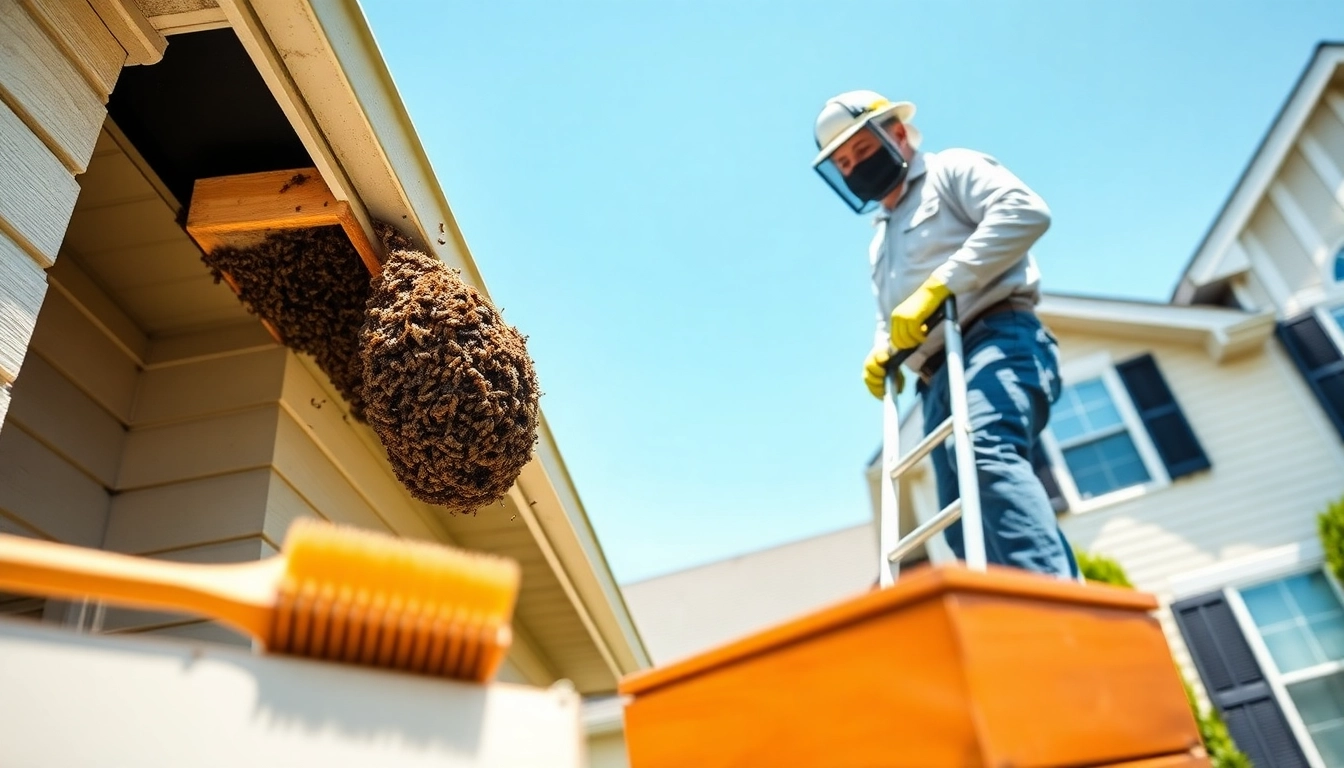
Understanding Honey Bee Removal Services
What are Honey Bee Removal Services?
Honey bee removal services encompass a range of professional interventions designed to safely relocate or eliminate honey bee populations that have established themselves in residential or commercial properties. These services are crucial as honey bees, while essential for pollination and overall ecosystem health, can pose significant risks when they create hives close to human dwellings. Qualified bee removal experts utilize various techniques, from bee relocation to hive dismantling, to address infestations adequately. From the moment you engage honey bee removal services, a trained technician assesses the situation and determines the best course of action tailored to the specific context of the bee problem.
Importance of Professional Intervention
Professional intervention is crucial for numerous reasons. Firstly, knowledgeable bee removal specialists understand bee behavior, biology, and the latest removal techniques, ensuring that the bees are handled safely and effectively. Attempting to remove honey bees on your own may lead to stings, injury, or damage to property. Moreover, many bees are protected by law due to their ecological importance, making it illegal to exterminate them indiscriminately. Professionals are equipped with the right safety gear and equipment, increasing the chances of a successful removal without harming the bees.
Common Reasons for Bee Removal
There are several common scenarios that necessitate honey bee removal services. Some of the most frequent include:
- Swarming Behavior: In spring and summer, bees may swarm as part of their natural reproductive process, often settling in areas unsuitable for hives.
- Structural Infestations: Honey bees tend to nest in walls, roofs, and attics, which can compromise the integrity of buildings.
- Increased Stinging Risk: Proximity to human activities can elevate the risk of bee stings, particularly for individuals allergic to bee venom.
- Property Damage: Bee hives can cause significant damage to structures as they expand, leading to costly repairs and maintenance issues.
Signs You Need Honey Bee Removal Services
Identifying Bee Swarms and Hives
Recognizing the signs of a bee problem is critical for timely intervention. A bee swarm appears as a dense group of bees clustered together, often just before they established a new hive. Observing a significant number of bees entering and exiting a structure can indicate the presence of a hive nearby. Additionally, look for the distinct sound of buzzing, which increases in volume the closer you get to the hive.
Assessing Risk Factors for Your Home
Assessing the risk factors associated with honey bee infestations can help in determining the urgency of removal. Key considerations include:
- Proximity to children or pets, which could amplify the risk of encounters with bees.
- Presence of flowering plants or gardens that attract bees.
- History of bee stings among household members or frequent visitors.
Understanding Bee Behavior
Understanding bee behavior can provide insights into when removal services should be sought. Honey bees are generally non-aggressive unless provoked, and their primary goal is to protect their hive. Learning about their nesting habits, swarming seasons, and foraging patterns can help homeowners recognize threats more effectively and act accordingly.
Choosing the Right Honey Bee Removal Services
Research and Referrals: Finding Experts
Finding the right honey bee removal service involves diligent research and consideration. Start by seeking referrals from neighbors, family, or friends who have experienced similar issues. Online resources, local beekeeping organizations, and community forums can also provide valuable recommendations. Look for service providers with a solid reputation and expertise specific to bee removal, not just general pest control.
Questions to Ask Potential Providers
When interviewing potential honey bee removal experts, consider asking questions such as:
- What methods do you use for bee removal?
- Are you licensed and insured to operate in this area?
- Can you provide references or customer testimonials?
- What measures do you take to ensure the bees are removed humanely?
Evaluating Service Reviews and Testimonials
Service reviews and testimonials are instrumental in assessing the quality of honey bee removal services. Seek feedback on platforms like Google, Yelp, or social media to gauge customer satisfaction. Pay attention to comments regarding the effectiveness of the service, the demeanor of the specialists, and the follow-up support provided after the removal.
What to Expect During Honey Bee Removal
Initial Consultation Process
The initial consultation is a critical phase in the honey bee removal process. During this stage, an expert will visit your property to assess the situation. They will check for the presence of bees, identify entry points, and evaluate the scope of the infestation. This assessment helps them formulate a tailored removal strategy. They may also provide an estimate of the costs involved at this stage.
The Removal Procedure Explained
The removal process can vary based on the hive’s location and size, but it typically includes:
- Preparation: Technicians gather necessary equipment and obtain any required permits.
- Removal: Depending on the situation, bees may be relocated intact to a safer environment, especially when a relocation option is viable.
- Sealing Entry Points: After removal, all entry points are sealed to prevent future infestations.
Post-Removal Services: What Happens Next?
Post-removal services can include inspection and follow-up visits to ensure that the problem is resolved. Some providers offer preventive measures, which may involve regular monitoring for bee activity in and around your property. Follow-up services are essential, as they can help mitigate risks and potential infestations in the future.
Costs and Considerations for Honey Bee Removal Services
Average Pricing Overview
The costs associated with honey bee removal can vary widely based on factors like geographical location, hive size, and removal complexity. Nationally, homeowners might expect to pay between $135 and $1,065, with an average around $445. It is essential to get a detailed estimate before services commence to avoid surprises.
Factors Influencing Removal Costs
Several factors influence the overall cost of honey bee removal services:
- Hive Location: Hives located in hard-to-reach areas may require special equipment and more extensive labor, increasing costs.
- Type of Removal: Relocation is often more expensive than extermination due to additional time and expertise required.
- Required Repairs: If any structural damage occurs during the removal, repair costs will need to be factored in afterward.
Free Alternatives and Their Limitations
Some individuals may seek free bee removal options through local beekeeping clubs or volunteer organizations. While these alternatives can be effective for swarms, they may not address established hives or complicated situations adequately. Moreover, they often lack the guarantee of professional services, which can lead to ineffective removal and recurrent issues.
Frequently Asked Questions
Will beekeepers remove honey bees for free?
Yes, many beekeepers will remove swarms at little or no charge but may ask for a donation to cover travel costs. However, if bees are in hard-to-reach areas, charges may apply.
How to get rid of honey bees permanently?
Effective permanent removal typically involves professional extermination, ensuring entire colonies are eliminated without leaving any bees behind, which could lead to re-infestation.
Is it expensive to have bees removed?
The cost of bee removal can range widely, generally between $135 and $1,065. Factors such as hive size, location, and any necessary repairs affect the overall expense.
How to prevent bees from taking residence?
Preventive measures include sealing holes and cracks in buildings, removing food sources, and keeping outdoor areas tidy. Regular inspection of potential nesting sites can deter infestations.
Are honey bees endangered?
Honey bees face threats from habitat loss, pesticides, and disease. While they are not endangered, their populations are declining, making their protection through safe removal crucial.