

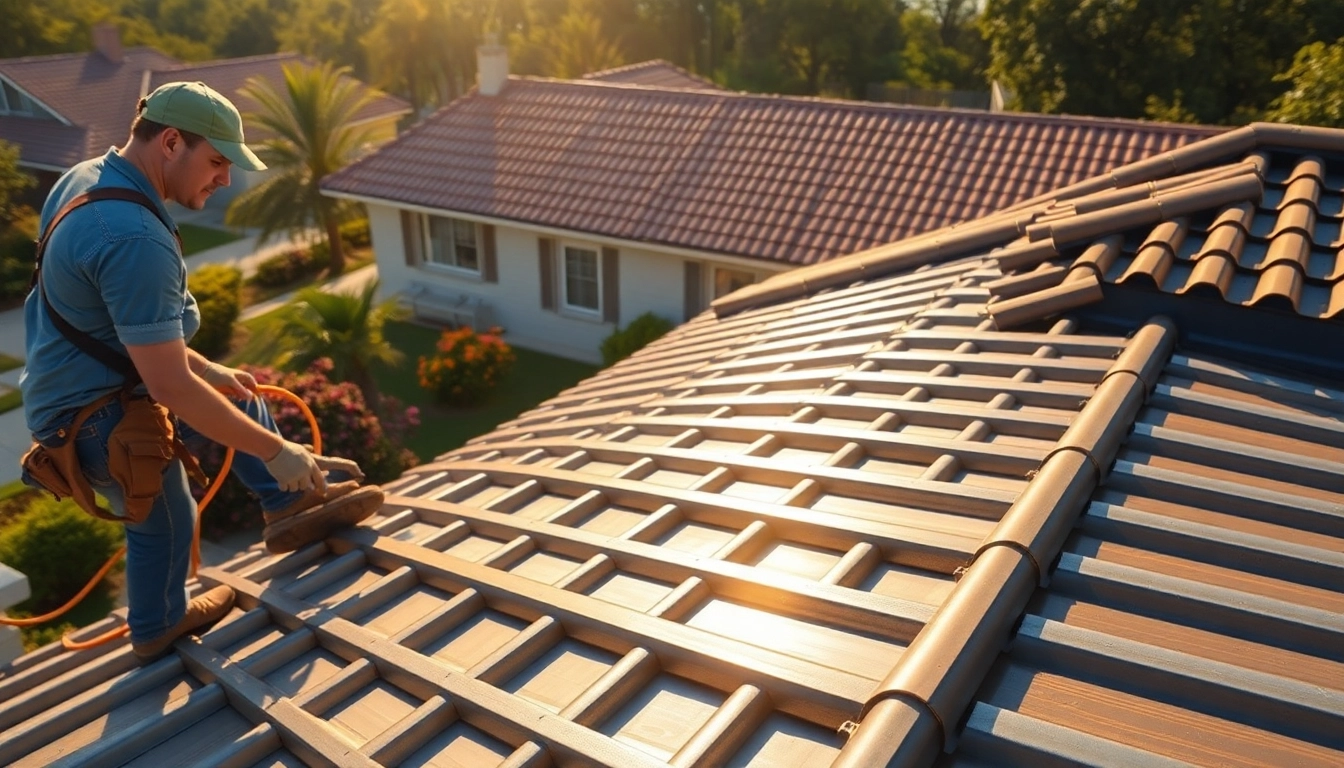
Introduction to Metal Roofing
Metal roofing has gained significant popularity in recent years as both a durable and sustainable choice for homeowners and builders alike. Its unique combination of aesthetics, longevity, and performance makes it an excellent alternative to traditional roofing materials. In this comprehensive guide, we’ll explore the various facets of metal roofing and help you understand if it’s the right fit for your needs.
What is Metal Roofing?
Metal roofing refers to roofing systems made from metal materials such as steel, aluminum, copper, or zinc. These roofing systems can take the form of metal tiles, panels, or sheets. Unlike traditional asphalt shingles, metal roofing is known for its superior durability and ability to withstand harsh weather conditions. Whether installed in residential, commercial, or agricultural settings, metal roofs provide a high level of performance with proper maintenance.
Key Benefits of Metal Roofing
There are numerous advantages to choosing metal roofing over conventional roofing materials. Some of the most notable benefits include:
- Durability: Metal roofs can last 40 to 70 years, depending on the material used, making them one of the most robust options on the market.
- Weather Resistance: Metal roofs can withstand severe weather conditions, including heavy rain, snow, and high winds.
- Energy Efficiency: Many metal roofs feature reflective coatings, helping to keep homes cooler and reducing energy consumption.
- Low Maintenance: Metal roofs require less frequent repairs and maintenance compared to other roofing types.
- Environmentally Friendly: Metal roofing is often manufactured from recycled materials and is fully recyclable at the end of its life cycle.
Common Types of Metal Roofing
Metal roofing systems come in a variety of styles and materials, each with unique properties. Some common types of metal roofing include:
- Steel Roofing: Generally affordably priced and available in various finishes, steel roofing is a popular option.
- Aluminum Roofing: Lightweight and resistant to corrosion, aluminum roofs are ideal for coastal areas where saltwater exposure is a concern.
- Copper Roofing: Known for its stunning appearance and longevity, copper roofing develops a natural patina over time that many homeowners find appealing.
- Zinc Roofing: Highly durable and self-healing with a natural patina, zinc roofing adds aesthetic value and longevity.
- Metal Tiles: These mimic the appearance of traditional roofing tiles while retaining the benefits of metal.
The Advantages of Metal Roofing Over Other Materials
Durability and Longevity
One of the foremost advantages of metal roofing is its exceptional durability. While traditional asphalt shingles typically last 15-20 years, metal roofs can last two to four times longer, making them a more cost-effective long-term investment. Properly installed metal roofs can withstand extreme weather conditions, resisting damage from hail, wind, and even fire.
Energy Efficiency Considerations
Energy efficiency is a critical concern for many homeowners. Metal roofing systems reflect solar radiant heat, which can significantly reduce cooling costs during hot seasons. A study showed that homes with metal roofs can save up to 25% on energy costs, depending on their insulation and ventilation level. Additionally, many manufacturers offer Energy Star-rated reflective metal roofing options that can enhance energy efficiency.
Cost Analysis
While the initial cost of metal roofing may be higher than traditional materials like asphalt shingles, it often proves to be more economical over time. Costs can range from $4 to $30 per square foot, depending on the metal type, roof design, and geographic location. The longevity and reduced maintenance needs of metal roofs can lead to significant savings in the long run.
Installation Process of Metal Roofing
Preparation Steps
Before installation begins, thorough preparation is essential. Homeowners should start with an inspection of the existing roof structure. The preparation steps include:
- Assessing the current roof for damage or decay.
- Removing old roofing materials, if necessary.
- Repairing or replacing any damaged sheathing or wood structures.
- Ensuring the roof is structurally sound to support the weight of metal materials.
Step-by-Step Installation Guide
Installing metal roofing involves several critical steps, often requiring professional expertise. Here is a general outline of the process:
- Install Underlayment: Lay down an underlayment to protect against moisture and promote insulation.
- Measuring and Cutting Panels: Cut metal panels to fit your roof’s dimensions precisely.
- Attach Panels: Start from the lowest point on the roof and work your way up, fastening each panel securely.
- Install Flashing: Flashing is crucial to prevent leaks around chimneys, vents, and roof edges.
- Finish and Seal: Inspect the entire roof for any gaps or areas needing sealant to ensure water resistance.
Post-Installation Care
After installation, regular monitoring and maintenance can help extend the life of your roof. It is advisable to inspect the roof bi-annually and after extreme weather events to identify any potential issues before they escalate.
Common Misconceptions About Metal Roofing
Noise Levels During Rain
A prevalent misconception about metal roofing is that it makes homes noisier during rainfall. While metal roofs can be noisier than shingles, proper insulation and roofing underlayment significantly dampen sound levels, making the environment comfortable indoors.
Metal Roofing and Lightning Concerns
Some homeowners worry that metal roofs attract lightning. In reality, metal roofing is no more likely to be struck by lightning than other roofing materials. Metal roofs discharge electricity better than non-metal roofs when struck, making them a safer option overall.
Weight Comparisons with Other Materials
Another misunderstanding is that metal roofs are extremely heavy. In fact, metal roofing is lightweight compared to concrete tiles and slate alternatives, making them easier to install and a favorable option for the structural integrity of a home.
Maintenance Tips for Metal Roofing
Routine Inspections
Routine inspections can identify small issues before they escalate into costly repairs. Homeowners should check for rust, loose screws, and any signs of wear, particularly around seams and flashings.
Repairing Damage
Addressing any damage promptly can help maintain your roof’s integrity. Minor scratches or dents can often be repaired with specialized paint or sealants, while significant structural damage may require professional intervention.
Effective Cleaning Methods
Cleaning your metal roof can preserve its appearance and functionality. Use a soft-bristled brush or a pressure washer on a low setting to remove dirt, grime, and algae growth. Avoid harsh chemicals that can damage protective coatings.
Frequently Asked Questions
1. How long does a metal roof last?
Metal roofs can last anywhere from 40 to 70 years, depending on the material and installation quality, making them a durable investment.
2. Are metal roofs energy efficient?
Yes, metal roofs are energy-efficient. They reflect solar heat, reducing cooling costs and saving homeowners money on energy bills.
3. Is installation of metal roofing complicated?
While DIY installation is possible, it is typically recommended to hire professionals due to the complexity and specific techniques required for a proper fit.
4. Can metal roofing be installed over existing shingles?
In many cases, metal roofing can be installed over existing shingles. This can save on disposal costs, but proper assessment is essential.
5. What maintenance does a metal roof require?
Maintenance includes routine inspections, cleaning, and prompt repairs of any damage to ensure longevity and appearance.