

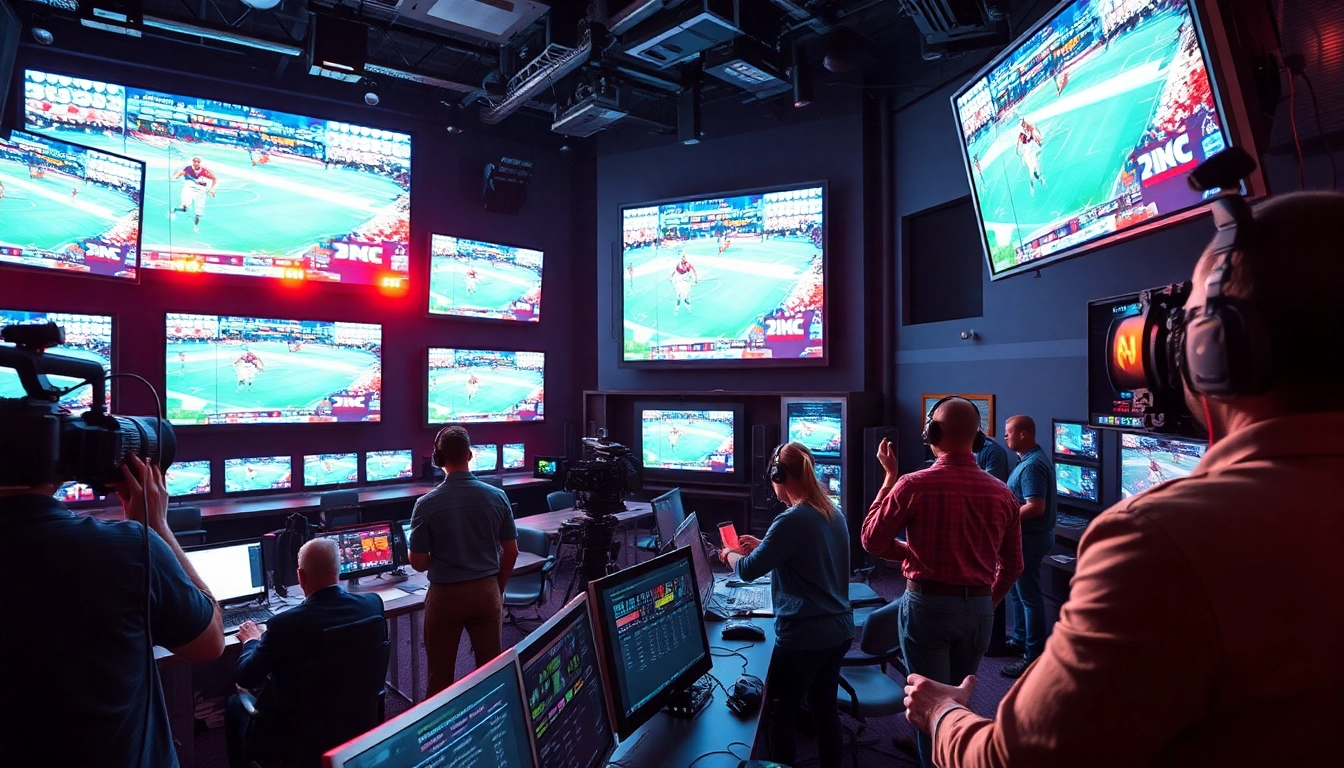
Understanding Sports Broadcasting
Definition and Importance of Sports Broadcasting
Sports broadcasting is a vital component of the entertainment landscape, providing real-time coverage of athletic events to an audience that craves excitement, competition, and community. Through various media platforms such as television, radio, and now increasingly digital channels, sports broadcasting serves as the bridge that connects fans with their favorite teams and athletes, fostering a sense of belonging and celebration. This dynamic medium not only entertains viewers but also generates significant economic impact by driving advertising revenue and bolstering the sports industry at large. As the demand for engaging content continues to rise, understanding the intricacies of Sports broadcasting becomes crucial for aspiring professionals and enthusiasts alike.
History and Evolution of Sports Broadcasting
The journey of sports broadcasting dates back to the early 20th century when radio began to bring live sports events into the homes of listeners. Notably, the first major sports broadcast occurred in 1921 with a boxing match between Jack Dempsey and Georges Carpentier—a pivotal moment that set off a new wave of sports engagement. As technology advanced, television became the preferred medium, with the first televised baseball game airing in 1939. The 1960s and 1970s marked significant milestones, particularly with the advent of color broadcasting and the establishment of networks dedicated to sports, such as ESPN in 1979.
With the rise of the internet and mobile technology, sports broadcasting has seen a transformative evolution. Today, audiences can access live streams, highlight reels, and even interactive experiences on digital platforms, making sports more accessible than ever before. The ability to consume content on-demand reflects a shift in viewer behavior and the overarching trend towards personalization in media consumption.
Key Technologies in Sports Broadcasting
Advancements in broadcasting technology have fundamentally altered the sports broadcasting landscape. High-definition (HD) and 4K television broadcasts have enhanced viewer experiences by providing clearer images and richer details. Additionally, technologies such as augmented reality (AR) and virtual reality (VR) are revolutionizing how fans experience events, allowing for immersive interactions during broadcasts.
Live streaming technology now enables audiences to watch events across devices, while cloud-based solutions provide broadcasters with the flexibility to distribute content efficiently. Furthermore, artificial intelligence is beginning to play a role in content customization and viewer analytics, creating tailored experiences based on individual preferences. By harnessing these technologies, sports broadcasting continues to evolve, meeting the ever-changing demands of sports fans globally.
Current Trends in Sports Broadcasting
Shift to Digital Platforms
The massive shift towards digital platforms represents one of the most significant trends in sports broadcasting today. With traditional cable subscriptions declining, many sports fans are turning to online streaming services for their sports fix. Platforms such as Hulu, YouTube TV, and dedicated sports streaming sites provide flexibility and on-demand access to live and recorded content.
This transition is not merely about convenience; it also facilitates innovations in viewer engagement. Broadcasters are rethinking content delivery to include instant replays, multi-camera angles, and dynamic graphics that engage viewers like never before. The rise of esports broadcasting also highlights the extensive opportunities digital platforms present for reaching diverse audiences, tapping into younger demographics who prefer online viewing experiences.
Interactive Viewing Experiences
Today’s viewers crave interactivity and engagement, prompting broadcasters to adopt strategies that enhance the overall viewer experience. From social media integration that allows fans to share their opinions in real-time to interactive apps that enhance gameday events, broadcasters are embracing technology to foster a two-way relationship with their audiences.
Features such as live polls or viewer commentary during broadcasts not only elevate engagement levels but also allow fans to feel more connected to the event. These interactive experiences transform passive viewing into active participation, thereby enhancing fan loyalty and satisfaction.
Utilizing Social Media in Sports Broadcasting
Social media has become a powerful ally in sports broadcasting, enabling networks and teams to reach audiences in new and engaging ways. Platforms like Twitter, Instagram, and TikTok offer timely updates, behind-the-scenes content, and real-time interactions with fans. This expanded presence helps amplify the reach of traditional broadcasts while promoting greater engagement among viewers.
Broadcasters and teams are capitalizing on the viral nature of social media by using strategically produced clips to generate buzz and drive viewership for live games. By leveraging hashtags, polls, and fan-generated content, the sports industry successfully taps into the conversational aspects typical of social media culture, further solidifying its relevance.
Essential Skills for Sports Broadcasting Professionals
On-Air Presentation Skills
Success in sports broadcasting hinges significantly on strong on-air presentation skills. Broadcasters must exhibit a captivating presence, projecting confidence and authenticity while engaging viewers. This requires mastering voice modulation, pacing, and articulation, such that every call and commentary is both compelling and coherent.
Practice is paramount; aspiring broadcasters should invest time in developing their unique on-air style, tapping into their passion for sports while honing their communication capabilities. It’s important to learn how to engage effectively with analysts, colleagues, and guests to build dynamic interactions that enrich the viewing experience.
Technical Knowledge of Broadcasting Equipment
A robust understanding of the technical aspects of broadcasting sets successful professionals apart. Knowledge of cameras, microphones, audio mixers, and broadcasting software is essential for ensuring smooth operation during live broadcasts. Familiarity with remote production techniques and streaming platforms also enhances a broadcaster’s versatility in the field.
Continuous learning in a rapidly changing technological environment is crucial. Professionals should stay updated on the latest broadcasting tools and techniques in order to leverage them effectively during events, fostering a seamless viewing experience for audiences.
Understanding Sports Journalism
In the domain of sports broadcasting, traditional journalism skills remain an invaluable asset. Understanding how to research, report, and present accurate information is essential for maintaining credibility in a competitive environment. Broadcasters should be capable of analyzing game statistics, player profiles, and coaching strategies to provide insightful commentary and analysis that not only informs but also captivates audiences.
Developing solid interviewing skills is paramount to building rapport with athletes, coaches, and pundits. Strong questioning leads to engaging narratives that resonate with fans and elevate the broadcast’s overall quality.
Career Opportunities in Sports Broadcasting
Job Roles and Responsibilities
The sports broadcasting field encompasses a broad spectrum of roles, each with its distinct responsibilities. On-air talent—be it play-by-play announcers, color commentators, or sideline reporters—forms the face of broadcasts, delivering engaging narratives to viewers. Behind the scenes, producers, directors, and technicians ensure broadcasts run smoothly, coordinating camera angles and audio feeds while managing the technical aspects of production.
Broadcasters with a knack for storytelling may find rewarding careers as sports journalists or editorial staff, creating compelling narratives that complement live coverage. As the demand for digital content rises, roles in social media management and digital strategy offer exciting avenues for professionals looking to merge sports with technology.
Preparing for a Career in Sports Broadcasting
Pursuing a career in sports broadcasting requires a blend of education, experience, and networking. Candidates often benefit from degrees in communications, journalism, or media studies, which lay the groundwork for fundamental broadcasting skills. Beyond formal education, internships at local stations or sports teams provide invaluable hands-on experience and skill development.
Building a portfolio showcasing on-air work, writing samples, and technical competencies can greatly enhance job prospects. Aspiring professionals should actively seek opportunities to participate in broadcasting camps or workshops that hone their skills and keep them abreast of industry trends.
Networking within the Industry
Networking plays a crucial role in securing opportunities in the competitive field of sports broadcasting. Attending industry conferences, workshops, and local events allows aspiring broadcasters to meet established professionals, learn from their experiences, and build connections that could lead to job referrals. Social media platforms like LinkedIn offer additional channels for professionals to engage with industry leaders and share content that showcases their expertise.
Building mutually beneficial relationships with mentors, fellow students, and professionals within the broadcasting community can provide ongoing support and guidance throughout one’s career journey.
Measuring Success in Sports Broadcasting
Key Performance Indicators for Broadcasts
Determining the success of a sports broadcast hinges on various performance indicators that highlight the effectiveness of content delivery and audience engagement. Key metrics include viewer ratings, which indicate audience reach, and demographic data that informs broadcasters about the age and interests of their viewers.
Engagement metrics such as average watch time and viewer retention provide insights into how well the content resonates with audiences, guiding future programming decisions. Analyzing these indicators helps broadcasters ensure that they meet viewer expectations while continuing to evolve their approach to sports coverage.
Audience Engagement Metrics
Engagement metrics encompass multiple data points that provide a holistic view of how audiences are interacting with broadcasts. Social media interactions—including likes, shares, and comments—indicate real-time viewer sentiment and engagement while complementing traditional ratings data.
Surveys and post-broadcast feedback can capture audience opinions, unveiling preferences that allow broadcasters to refine their strategies and enhance viewer satisfaction. Developing a robust understanding of audience engagement metrics enables broadcasters to optimize content delivery, adapt to shifts in viewer behavior, and build stronger connections with fans.
Feedback and Continuous Improvement
The feedback loop between broadcasters and their audiences is critical for continuous improvement. Collecting feedback from various sources—from social media comments to formal surveys—helps identify areas for enhancement, whether they involve content quality, technical execution, or viewer engagement.
Incorporating real-time analytics during broadcasts allows teams to make immediate adjustments to better cater to audience preferences. By embracing a culture of feedback and adaptation, broadcasters can continually refine their practices, ensuring that they remain agile amidst an ever-evolving landscape.
Frequently Asked Questions
What qualifications are needed for a career in Sports Broadcasting?
A degree in communications or journalism is often required, but hands-on experience through internships is crucial to building practical skills in the industry.
How do I get started in Sports Broadcasting?
Start by gaining experience through internships, smaller local stations, or educational programs, and create a portfolio showcasing your work in broadcasting.
What are the challenges faced in Sports Broadcasting?
Challenges include tight deadlines, technical issues during live broadcasts, and the constant evolution of technology affecting industry standards and viewer expectations.
How is Sports Broadcasting evolving with technology?
Technological advancements have introduced AI, enhanced graphics quality, and interactive streaming options, significantly enriching viewer experience and engagement.
What role does social media play in Sports Broadcasting?
Social media platforms enhance audience reach, foster real-time engagement, and serve as vehicles for distributing highlights and interactive content effectively.