

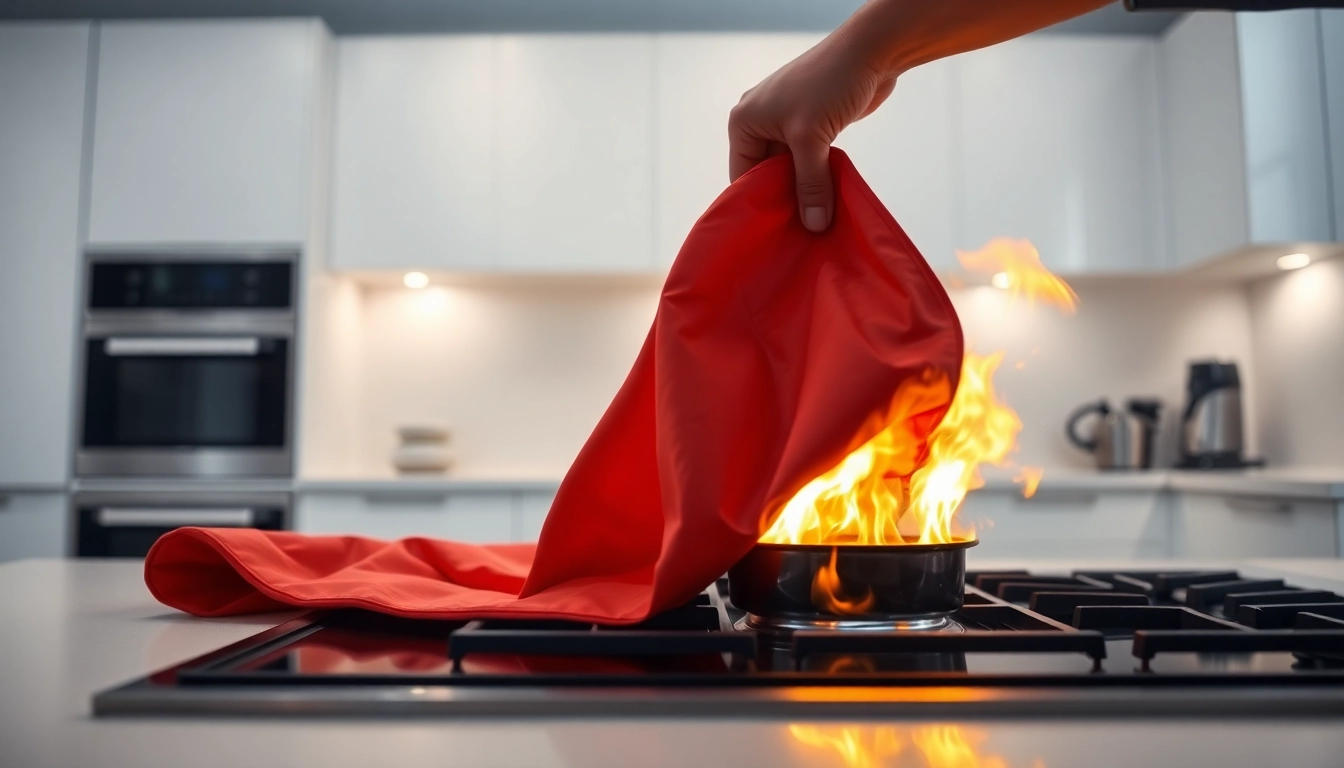
Understanding the Fire Blanket
What is a Fire Blanket?
A fire blanket is a safety device designed to extinguish small, incipient fires. Unlike traditional fire extinguishers, which use chemical agents, a fire blanket works by smothering flames and cutting off the fire’s oxygen supply. Typically made from fire-retardant materials, they can be an essential part of safety protocols, especially in homes and kitchens where minor fires often occur. In essence, fire blankets are a straightforward yet effective tool for quick fire response. Their simplicity makes them accessible to anyone, regardless of prior training or experience with fire safety equipment.
How Fire Blankets Work
Fire blankets create a barrier between the flames and their oxygen source. When placed over burning materials, they effectively suffocate the fire, preventing it from spreading. The blankets are typically made from materials such as fiberglass or woven wool, inherently resistant to high temperatures. The operation is simple: once a small fire is detected, the blanket can be deployed quickly to smother the flames. Proper usage ensures that the fire is controlled before it has a chance to escalate into a larger and more dangerous incident.
Materials and Design of Fire Blankets
Fire blankets are primarily made of flame-retardant materials such as fiberglass or Kevlar. These materials are specifically chosen for their high-temperature resistance and non-flammability. The design of fire blankets is usually a compact rectangular shape, which allows for easy storage and quick deployment. Many blankets are stored in a simple pouch or box on walls in kitchens or near other potential fire hazards, ensuring they can be reached swiftly in emergencies. Overall, the combination of optimal materials and practical design ensures that fire blankets can act quickly and efficiently during a fire emergency.
Benefits of Using a Fire Blanket
Quick Response in Emergencies
One of the key advantages of using a fire blanket is the speed with which it can be deployed in an emergency. Unlike fire extinguishers, which require operation that involves pulling pins and aiming at the flames, a fire blanket can be removed and thrown over a fire within seconds. This rapid response can be crucial in situations where every second counts. Especially in domestic environments, where open flames from cooking or fireplaces are common, having a fire blanket on hand can prevent small flames from expanding into large-scale incidents.
Environmentally Friendly Fire Extinguishing Solution
Fire blankets are considered an environmentally friendly alternative to chemical-based fire extinguishers. Because they rely solely on the principles of suffocation and do not release harmful chemicals into the atmosphere, they present a safer option for those concerned about the environmental impact of traditional extinguishing agents. This benefit is especially relevant in settings like homes and campsites, where there is a focus on maintaining clean air and safe environments.
Cost-Effectiveness Compared to Fire Extinguishers
While fire extinguishers are often more expensive and need periodic maintenance checks, fire blankets are generally cheaper and do not require maintenance. Most fire blankets are single-use; however, their cost is still significantly lower than that of fire extinguishers. Additionally, their simplicity in use means that training requirements are minimal. For households and small businesses, investing in a few fire blankets can provide an effective fire safety solution without breaking the bank.
Proper Usage of a Fire Blanket
Step-by-Step Guide to Using a Fire Blanket
Using a fire blanket effectively requires following several straightforward steps:
- Assess the situation: Ensure that it is safe to approach the fire.
- Retrieve the fire blanket from its storage location.
- Hold the blanket by the tabs or corners to keep your hands protected from potential flames.
- Approach the fire and drape the blanket over it completely, ensuring it covers all the flames.
- Leave the blanket in place until you are sure the fire is completely extinguished and cool.
Following these steps can make all the difference in minimizing risk during a fire emergency.
Common Mistakes to Avoid with a Fire Blanket
While using a fire blanket is relatively simple, some common mistakes can compromise effectiveness:
- Using a blanket that is too small: Ensure the blanket is adequate to cover the fire completely.
- Approaching a large or advancing fire: Fire blankets are best suited for small, contained fires.
- Not securing the blanket correctly: It must cover the flames thoroughly to prevent oxygen circulation.
Avoiding these mistakes ensures that the fire blanket serves its intended purpose and maximizes safety during an emergency.
When Not to Use a Fire Blanket
Not all fire situations are appropriate for a fire blanket. It should never be used on:
- Flammable liquids (like gasoline) as the flames may spread quickly.
- Electrical fires, which require specially designed extinguishers.
- Fires that are too large or out of control, as it may pose a risk to personal safety.
Understanding these limitations is vital to ensuring safety and choosing the right fire-fighting method.
Maintenance and Storage of Fire Blankets
Inspecting Your Fire Blanket for Damage
Regular inspections of your fire blanket are essential to ensure it remains in good working condition. Check for signs of wear and tear, such as holes, fading, or fraying edges, which could compromise its effectiveness. It is advisable to visually inspect the blanket at least once every six months and replace it if any damage is detected.
Optimal Storage Locations for Fire Blankets
Where you store your fire blanket is crucial for swift access during emergencies. Opt for locations in your kitchen, garage, or near fireplaces where fires are more likely to occur. Make sure it is easily accessible, visible, and free from obstructions. Hanging the blanket on a wall within a quick reach is a common and effective strategy.
Replacement Guidelines for Fire Blankets
The replacement timeline for fire blankets depends on usage and maintenance. If a fire blanket has been deployed in an emergency, it should be replaced immediately. Even if it appears to be undamaged, safety standards typically recommend replacing it every couple of years to ensure reliability and effectiveness during emergencies.
FAQs about Fire Blankets
When should I replace a fire blanket?
Replace a fire blanket immediately after use, regardless of its appearance. If not used, it’s prudent to replace it every 2-3 years for safety.
Can fire blankets be reused after a fire?
Most fire blankets are designed for single use. If used, they should be replaced as they might not be reliable after deployment.
Are fire blankets effective for all types of fires?
No, fire blankets are effective primarily for small, contained fires. They should not be used on flammable liquids or electrical fires.
How should I store my fire blanket?
Store fire blankets in easily accessible locations, like kitchens or garages, ideally on a wall mount free from clutter.
What materials are fire blankets made from?
Fire blankets are typically made of fiberglass or other flame-retardant materials that can withstand high temperatures and smother flames.