

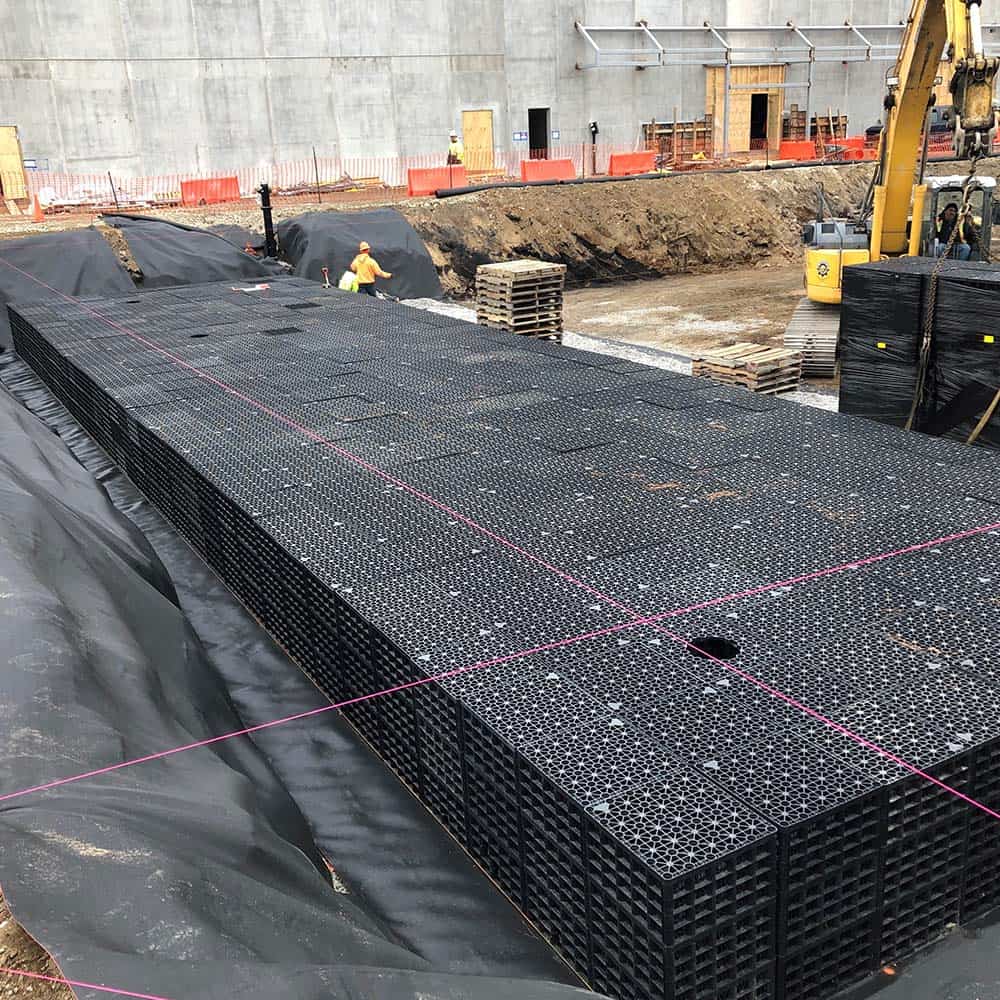
Effective water management has become a critical aspect of modern urban planning. With increasing urbanization, impervious surfaces like roads and pavements prevent natural infiltration of rainfall, leading to surface water accumulation, flooding, and water quality issues. To address these challenges, stormwater modules have emerged as an innovative solution for shallow surface water management. These systems are designed to collect, filter, and manage runoff efficiently, ensuring sustainable water management in urban environments.
What Are Stormwater Modules?
Stormwater modules are engineered systems that capture and manage surface water runoff. Typically composed of modular structures that can be easily installed under pavements, green areas, or shallow basins, these modules provide a controlled environment for water storage, infiltration, and treatment. They are ideal for areas where traditional drainage systems may be insufficient or too costly to implement. By integrating stormwater modules into urban landscapes, cities can reduce flood risks, improve water quality, and enhance groundwater recharge.
Key Benefits of Stormwater Modules
The use of stormwater modules offers numerous benefits for urban and suburban areas:
- Flood Mitigation – By temporarily storing excess surface water, stormwater modules help prevent flooding in streets, parking lots, and residential areas.
- Water Quality Improvement – Stormwater often carries pollutants, sediments, and debris. These modules are designed to filter contaminants before water is released into natural water bodies.
- Groundwater Recharge – Many stormwater modules allow for infiltration, helping replenish local aquifers and support sustainable water use.
- Space Efficiency – Unlike traditional detention basins, modular systems can be installed under existing infrastructure, maximizing land use without compromising functionality.
- Scalability and Flexibility – Stormwater modules come in various sizes and configurations, making them suitable for both small-scale residential projects and large urban developments.
Applications of Stormwater Modules
Stormwater modules are versatile and can be applied in multiple scenarios:
- Urban Streets and Roads: To manage runoff from impervious surfaces and reduce flooding risks.
- Parking Lots: For capturing rainwater and preventing surface ponding.
- Parks and Recreational Areas: Integrating stormwater management without disrupting landscape aesthetics.
- Industrial Sites: Managing contaminated runoff while preventing overflow into public drainage systems.
- Residential Complexes: Supporting sustainable water management within private properties.
These modules can be tailored to meet specific water management goals, whether the priority is storage, filtration, or infiltration.
How Stormwater Modules Work
The functioning of stormwater modules is straightforward yet highly efficient. Rainwater or surface water runoff enters the module through inlets and is temporarily stored within its interconnected chambers. Depending on the design, water can then be:
- Filtered: Using integrated media to remove sediments, debris, and pollutants.
- Infiltrated: Slowly released into the soil, promoting groundwater recharge.
- Discharged: Controlled release into drainage systems or nearby water bodies to prevent overloading.
This modular approach ensures a reliable, sustainable, and low-maintenance solution for shallow surface water management.
Installation Considerations
Proper installation is crucial for the effectiveness of stormwater modules. Key considerations include:
- Site Assessment: Understanding soil type, water table level, and expected runoff volume.
- Module Selection: Choosing the right size and configuration based on water management objectives.
- Integration with Existing Infrastructure: Ensuring compatibility with current drainage systems, pavements, and landscaping.
- Maintenance Access: Providing easy access for periodic inspection and cleaning to maintain optimal performance.
By addressing these factors, stormwater modules can operate efficiently for decades with minimal maintenance.
Sustainable Urban Water Management
The integration of stormwater modules is part of a broader strategy for sustainable urban water management. These systems not only mitigate flooding and improve water quality but also support environmental stewardship by reducing erosion, protecting aquatic ecosystems, and enhancing groundwater recharge. Cities adopting modular stormwater solutions are better prepared to face the challenges posed by climate change, urbanization, and extreme weather events.
Conclusion
In conclusion, stormwater modules represent a cutting-edge approach to shallow surface water management, offering effective flood mitigation, water quality improvement, and groundwater recharge in urban environments. Their modular design, flexibility, and ease of installation make them an ideal solution for residential, commercial, and municipal projects alike. By investing in stormwater modules, communities can create resilient, sustainable, and environmentally responsible water management systems that address current and future challenges. Embracing these innovative solutions ensures that urban areas remain safe, functional, and sustainable while maintaining harmony with natural water cycles.
 admin
admin