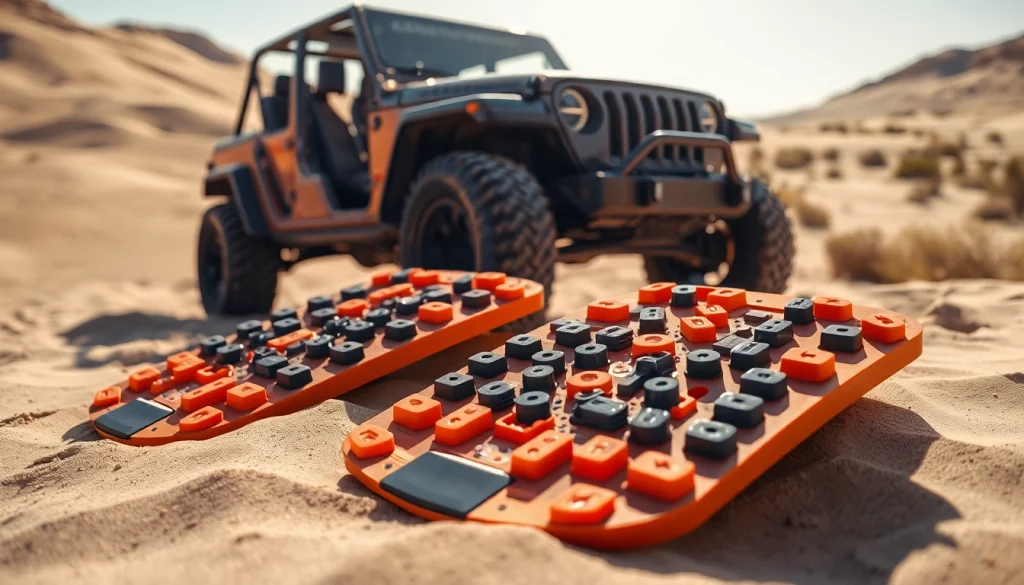
Introduction to Traction Boards
When off-roading or traversing challenging terrains, having the right gear is essential for a successful and safe journey. Among the myriad of accessories available to adventurers, Traction Boards stand out as a vital tool for recovery and support. These sturdy devices are designed to help vehicles regain traction and rescue themselves from slippery or stuck situations, making them a must-have for any serious off-roader.
What are Traction Boards?
Traction boards are specialized tools that provide vehicles with the essential grip needed to maneuver over difficult terrains. Typically made from durable materials such as reinforced plastic or composite materials, these boards serve as a temporary bridge between a stuck tire and the firmer ground beneath it. When a vehicle gets stuck in mud, sand, or snow, drivers can place these boards underneath the tires to provide the additional traction needed to pull themselves free. The surface of traction boards usually features specific patterns designed to dig into the substrate, providing maximum grip even in adverse conditions.
Benefits of Using Traction Boards
- Enhanced Recovery: Traction boards enable vehicles to regain mobility quickly, enhancing safety and reducing downtime in challenging environments.
- Portability: Most traction boards are lightweight and compact, making them easy to carry on off-road adventures.
- Multi-terrain Use: They are effective in various terrains, including snow, mud, and sand, making them versatile companions for all off-road enthusiasts.
- Durable Materials: Designed to withstand harsh conditions, quality traction boards boast resilience and longevity when properly maintained.
- Cost-Effective Solution: Compared to hiring a tow truck or other forms of assistance, traction boards offer a budget-friendly solution for vehicle recovery.
Common Misconceptions
Despite their effectiveness, several misconceptions exist around traction boards. Some users believe they are only necessary for extreme off-roading, while in reality, they can be beneficial in various situations. Others might think that traction boards are too complicated to use, when in fact, they are straightforward tools designed for ease of use even in stressful scenarios. Lastly, there is a belief that traction boards cannot be used multiple times, but with proper care, they can be reused numerous times without loss of effectiveness.
Key Features of Quality Traction Boards
Material Durability
When selecting traction boards, the durability of the materials used is one of the most critical factors to consider. High-quality boards are typically made from tough, impact-resistant polymers designed to endure rugged conditions. These materials not only resist wear and tear but also offer sufficient flexibility to prevent cracking or breaking when under pressure. Investing in traction boards made from superior materials ensures optimal performance and longevity, providing reliable service during countless off-road adventures.
Design and Grip Patterns
The design of traction boards significantly influences their effectiveness. Boards equipped with aggressive grip patterns create a secure footing for tires, facilitating better traction. Different terrains may require specific patterns: for instance, sharper cleats are often more effective in mud while larger, flatter surfaces may glide better on sand. Therefore, choosing traction boards with an appropriate design can vastly improve vehicular recovery capabilities.
Portability and Storage Options
Off-roading often demands a minimalist approach, where gear should be functional without adding excessive weight. Thus, portability becomes a key factor when selecting traction boards. Many modern traction boards come with built-in handles or lightweight designs that facilitate easy handling and transportation. Additionally, they should fit comfortably within vehicles, easily stowing away to maximize storage space without overcrowding other essential equipment.
Choosing the Right Traction Boards for Your Vehicle
Matching Traction Boards to Your Vehicle Type
Your choice of traction boards should align with the type of vehicle you drive. Heavier vehicles, such as trucks and SUVs, may require more robust boards that can bear greater weight and stress. Conversely, lighter vehicles may match well with smaller or lighter boards. Considering the vehicle’s size and weight capacity ensures that the traction boards chosen will not just fit but function effectively during use.
Weight Capacity Considerations
Understanding weight capacity is crucial when selecting traction boards. Each board comes with a specified weight limit, and exceeding this can compromise its performance and lead to potential damage. Always refer to manufacturer specifications when making a selection, ensuring your traction boards can support not just your vehicle but any potential additional weight you may carry, such as luggage, tools, or recovery gear.
Testing and Product Reviews
Before purchasing traction boards, researching user reviews and performance tests can provide insights beyond manufacturer claims. Consumer feedback offers real-world experiences that highlight the boards’ effectiveness across various terrain types. Pay attention to reviews that discuss the boards’ durability, ease of use, and performance in diverse conditions to inform your purchasing decision wisely.
Using Traction Boards Effectively
Preparation and Setup Guidelines
Preparing for a potential recovery situation involves understanding the operating conditions. Begin by ensuring that you have your traction boards accessible and ready to deploy at a moment’s notice. When you encounter a situation where traction boards may be necessary, assess the terrain and the points where the boards will be placed. For optimal placement, ensure that the boards are positioned flat and firmly against the ground for the best results.
Best Practices During Off-Road Use
When using traction boards during off-road adventures, it’s essential to follow best practices to maximize their effectiveness. Begin by gradually accelerating after placing the boards under the tires; sudden acceleration can spin the tires without gaining traction. It’s also advisable to clear any obstacles around the tires prior to deployment, ensuring that the boards can operate without interference. Finally, try to keep the vehicle’s weight evenly distributed while on the boards, which can help eliminate potential slipping.
Safety Tips When Using Traction Boards
Negotiating challenging terrains can pose several safety risks. Always ensure your vehicle is in a stable position before engaging in recovery efforts. Utilize gloves to protect your hands when handling the boards, especially in harsh conditions. If possible, enlist the assistance of others while using traction boards for added safety, especially when the recovery effort involves heavy lifting or maneuvering the vehicle.
FAQs About Traction Boards
How do Traction Boards work?
Traction boards work by providing a solid surface beneath the tires, allowing them to regain grip and traction on loose or slippery terrains. When placed correctly, they help vehicles pull themselves out of mud, snow, or sand.
Can Traction Boards be reused?
Yes, traction boards can be reused multiple times. With proper care and maintenance, they remain effective over extended periods and various off-road conditions.
What terrain types can Traction Boards handle?
Traction boards are versatile and can effectively handle various terrain types, including mud, sand, snow, gravel, and more, making them suitable for diverse off-road situations.
Are there size variations in Traction Boards?
Yes, traction boards come in different sizes. It’s essential to choose a size that matches your vehicle type to ensure optimal fit and performance.
How to maintain Traction Boards for longevity?
To maintain traction boards, clean them after use to remove dirt and debris, inspect for any damage, and store them in a cool, dry place to prevent degradation over time.