Understanding Laser Engraving Designs
What are Laser Engraving Designs?
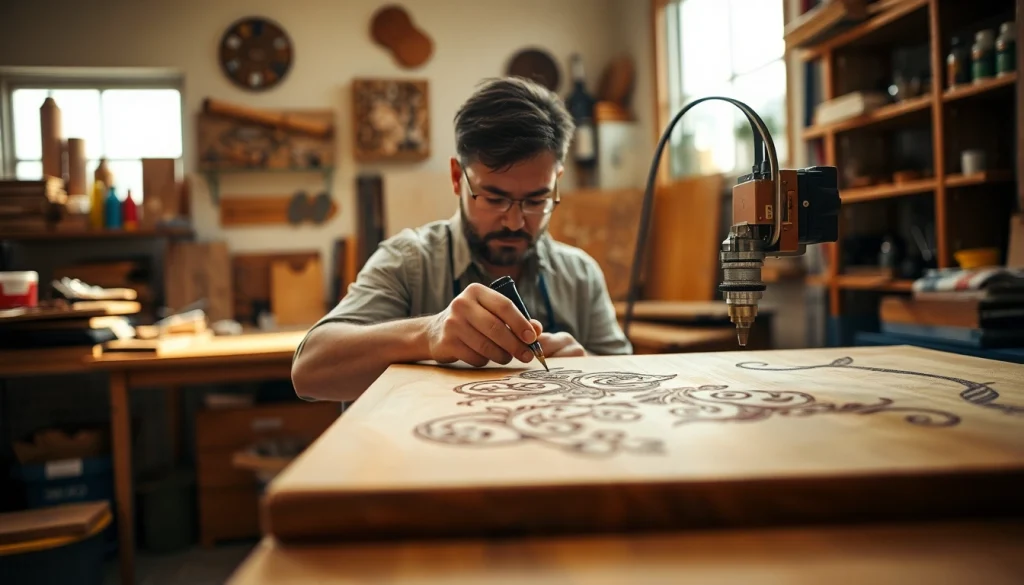
Laser engraving designs refer to the intricate patterns, logos, and artwork created through a laser engraving process. This technology uses a high-powered laser beam to etch or mark a surface material, resulting in a precise and often three-dimensional effect. Laser engraving is renowned for its accuracy and versatility, making it suitable for a wide range of applications in industries from manufacturing to personal gifts. By using laser engraving designs, creators can achieve stunning visual effects that enhance the aesthetic appeal of their products.
The Benefits of Using Laser Engraving Designs
Choosing laser engraving offers numerous benefits, particularly when it comes to customization and durability. Here are some key advantages:
- High Precision: Laser technology allows for intricate details and precision that are hard to achieve with traditional methods.
- Material Versatility: Laser engraving can be applied to a variety of materials, including wood, metal, glass, and plastics.
- Durability: Engraved designs are resistant to wear and tear, ensuring long-lasting quality.
- Customizability: Designers can easily create custom designs tailored to individual customer preferences, enhancing branding efforts.
- Efficiency: The speed of the laser engraving process makes it a cost-effective manufacturing option compared to manual methods.
Common Materials for Laser Engraving Designs
Laser engraving can be performed on various materials, each yielding unique effects and finishes:
- Wood: Ideal for crafts and gifts, wood engravings showcase natural beauty and grain patterns.
- Metal: Stainless steel and aluminum can be marked with high contrast, suitable for industrial applications.
- Glass: Engraving glass provides a sleek, elegant look, perfect for awards and personalized gifts.
- Acrylic: Often used in signage, acrylic engravings can create eye-catching visual effects through depth and texture.
- Leather: Adding engraved designs to leather goods increases their perceived value and uniqueness.
Creating Custom Laser Engraving Designs
Choosing the Right Design Software
The foundation of a successful laser engraving project lies in the software used to create designs. Various design software options cater to different skill levels, budgets, and engraving requirements:
- Adobe Illustrator: A powerful vector graphic software favored by professionals for its robust features.
- CorelDRAW: Popular among laser engravers for its user-friendly interface and a plethora of design tools.
- Inkscape: A free and open-source option, perfect for beginners looking to start out in design.
- AutoCAD: While primarily for architecture and engineering, it can also be utilized for precise engraving designs.
Steps to Design Unique Laser Engraving Designs
Creating distinct laser engraving designs involves several key steps:
- Conceptualization: Start with brainstorming ideas; gather inspiration from existing designs or nature.
- Sketching: Hand-drawing rough sketches can help visualize the design before digitizing it.
- Using Design Software: Input the design into chosen software to create a digital version.
- Selecting Engraving Settings: Adjust settings such as speed, power, and frequency based on the material used.
- Test Engraving: Run a test on a scrap piece before committing to the final product to ensure settings are correct.
Top Design Tips for Maximum Impact
To ensure your laser engraving stands out, consider the following tips:
- Contrast: Use contrasts in depth and color to make elements of your design pop.
- Keep It Simple: Less is often more; intricate designs can lose clarity at smaller scales.
- Final Size: Always envision how the engraving will look in its final size; what seems good on a screen may not translate perfectly.
- Consider Customer Preferences: Always ask for input from clients to enhance personalization.
- Use Layers: Utilize layers in your design to create depth and complexity without cluttering.
Applications of Laser Engraving Designs
Laser Engraving Designs in Marketing
Laser engraving plays a significant role in marketing strategies. It can be used to engrave logos or promotional messages on products.
Engraved items, such as promotional merchandise or corporate gifts, add a premium feel, enhancing brand reputation. They serve as memorable keepsakes that resonate more with customers compared to traditional printed materials.
Personalization with Laser Engraving Designs
Personalization is one of the strongest selling points of laser engraving. It adds a custom touch to various products, making them ideal for gift-giving occasions.
From personalized nameplates to engraved jewelry, laser engraving makes every item unique and special, significantly enhancing customer satisfaction and brand loyalty.
Product Packaging Using Laser Engraving Designs
Laser engraving can elevate product packaging by incorporating branding elements, instructions, and aesthetically pleasing designs directly onto the packaging material.
This approach not only reduces printing costs but also creates a unique tactile experience for consumers, promoting a more engaging purchase journey.
Challenges in Laser Engraving Designs
Common Mistakes to Avoid
Creating laser engraving designs is not without its pitfalls. Being aware of common mistakes can save time and resources:
- Ignoring Material Properties: Not considering the unique properties of each material can lead to damage or poor-quality engravings.
- Overcomplicating Designs: Too much detail can result in loss of clarity or even engraving failures.
- Neglecting Testing: Failing to run tests can lead to major inconsistencies that compromise the quality of the final product.
- Poor Engraving Settings: Using incorrect settings can cause burning, incomplete engravings, or slow processing times.
- Underestimating Cleanup Needs: Overlooking the clean-up process post-engraving can result in unsatisfactory finishes.
Addressing Quality Control in Laser Engraving Designs
Ensuring quality control is vital in laser engraving to maintain customer satisfaction. Here are steps to consider:
- Routine Maintenance: Regularly check and maintain laser equipment for optimal performance.
- Quality Checks: Implement strict quality inspection processes after each engraving run.
- Client Feedback: Encourage feedback from clients to identify potential areas for improvement.
- Document Processes: Create a standardized procedure for engraving settings and techniques to ensure consistency.
- Engage Training Session: Regular training for staff on the latest engraving techniques can prevent quality issues.
Meeting Customer Expectations
Meeting customer expectations is critical for repeat business in the laser engraving market. Key strategies include:
- Clear Communication: Articulating what customers can expect helps to manage their expectations effectively.
- Showcasing Samples: Offering samples or portfolios of previous work allows customers to gauge quality and style.
- Flexible Options: Providing various design options for customization can appeal to a broader audience.
- Timely Delivery: Prioritizing prompt delivery while ensuring quality can enhance customer trust.
- Post-Purchase Support: Being available after the sale for any issues increases customer satisfaction and loyalty.
Staying Ahead in Laser Engraving Designs
Innovations in Laser Engraving Technologies
The landscape of laser engraving is constantly evolving, driven by technological advancements. Some notable innovations include:
- Fiber Lasers: These offer high quality and speed, making them ideal for marking a wide variety of materials.
- CO2 Lasers: Known for versatility, they can engrave a range of non-metal materials, expanding creative options.
- Hybrid Machines: Combining different technologies, hybrid machines enhance capabilities for complex designs.
- Software Integration: More sophisticated software tools streamline the design-to-production process.
- Automation: Automated engraving processes reduce human error and increase production efficiency.
Future Trends in Laser Engraving Designs
As advancements continue, several future trends are poised to impact the laser engraving industry:
- Personalization: More businesses will embrace personalized products to meet customer desires for unique items.
- Environmental Responsibility: Emphasis on sustainable and eco-friendly materials will drive product choices and manufacturing practices.
- Smart Technology Integration: Incorporating IoT and AI into the engraving process will lead to intelligent design adjustments and efficiency.
- Increased Automation: Automation will further reduce costs while enhancing precision in design execution.
- Cross-Material Capability: Future technology may allow seamless engraving across different material types in one go.
Enhancing Your Portfolio with Laser Engraving Designs
Building a strong portfolio centered around laser engraving can boost credibility and attract new clients. Important considerations include:
- Diverse Projects: Showcase a variety of projects that highlight your versatility in designs and materials.
- High-Quality Images: Use professional photography to capture the details and quality of your engravings.
- Client Testimonials: Include feedback from satisfied customers to build trust with potential clients.
- Before and After Shots: Illustrate the transformation power of engraving with compelling visual examples.
- Engagement on Social Media: Use platforms like Instagram to showcase your work and connect with a wider audience.
Frequently Asked Questions
What materials can be used for laser engraving?
Common materials for laser engraving include wood, metal, glass, acrylic, and leather, each offering unique aesthetics and durability.
Is laser engraving permanent?
Yes, laser engraving produces permanent markings that are resistant to fading and wear, ensuring long-lasting quality.
How detailed can laser engravings be?
Laser engravings can be incredibly detailed, allowing for intricate designs, text, and patterns without losing clarity.
What software is best for laser engraving design?
Popular software choices include Adobe Illustrator, CorelDRAW, and Inkscape, each suitable for various design needs and skill levels.
How long does the laser engraving process take?
The duration depends on the complexity and size of the design but typically ranges from minutes to several hours for larger projects.