

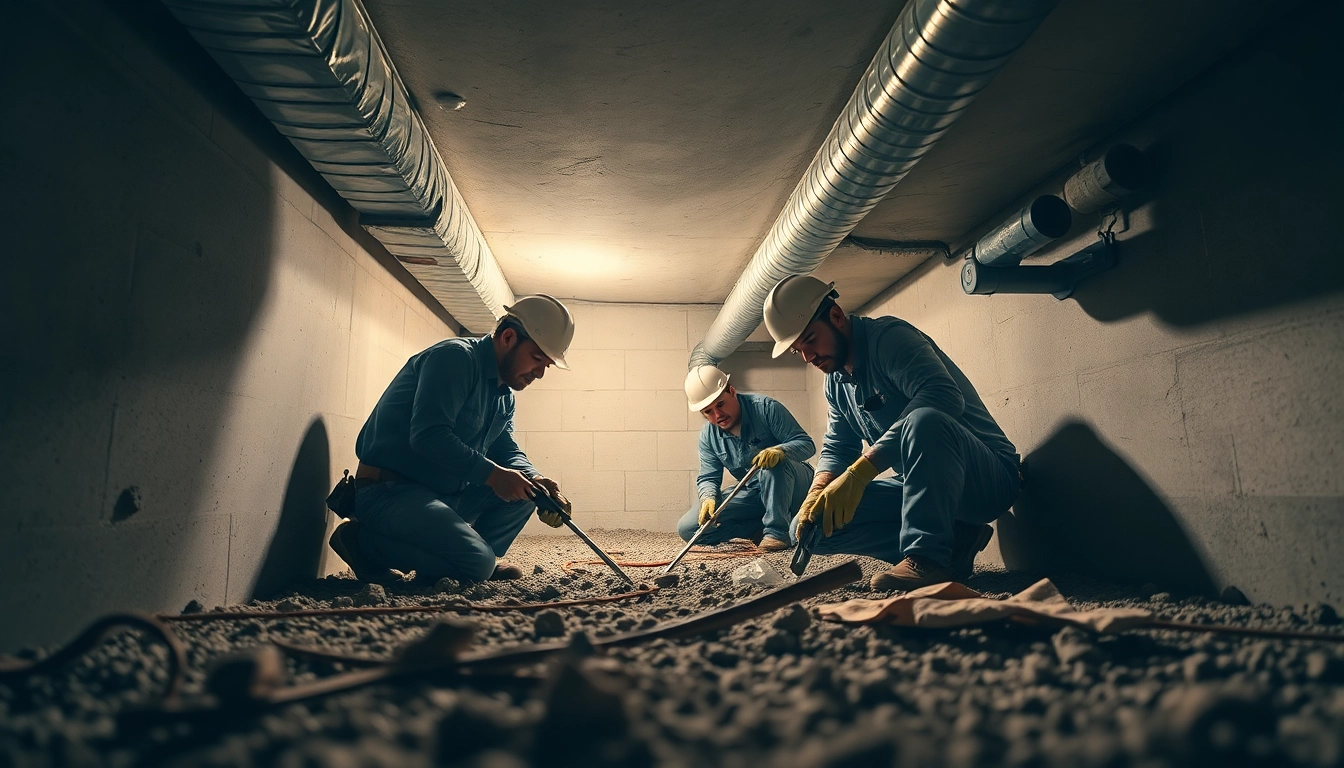
Understanding Crawl Space Restoration
What is Crawl Space Restoration?
Crawl Space Restoration is the process of repairing and rejuvenating the often-neglected area beneath a home or building that is not a full basement. This space, typically accessed via a small entryway, can accumulate moisture, pests, and structural issues that can negatively affect the integrity of the entire property. Proper restoration involves cleaning, sealing, and addressing any underlying issues to ensure the structure is safe, functional, and energy-efficient. Implementing comprehensive Crawl Space Restoration not only protects the building but also improves air quality and energy efficiency.
The Importance of Maintaining Your Crawl Space
Maintaining your crawl space is crucial for several reasons. First, it directly affects the overall health of your home. A well-maintained crawl space keeps moisture at bay, reducing the risk of mold growth and improving indoor air quality. This is particularly relevant for individuals with allergies or respiratory issues.
Secondly, a clean crawl space can enhance the structural integrity of your home. Moisture and pests can lead to rot, rust, and structural damage. Regular maintenance can help spot these issues early, preventing costly repairs down the line. Lastly, a properly restored crawl space can increase your property value by ensuring all areas of the home are safe and livable.
Common Issues Faced in Crawl Spaces
Crawl spaces often suffer from a variety of issues, including:
- Water intrusion: Poor drainage can lead to standing water and moisture issues.
- Pest infestations: The dark and moist environment can attract rodents, termites, and other pests.
- Structural damage: Wood rot, rusting nails, and foundation cracking can threaten the integrity of the home.
- Mold and mildew: High humidity levels in crawl spaces can foster mold growth, creating a health risk.
Signs Your Crawl Space Needs Restoration
Water Accumulation and Moisture Issues
One of the most glaring signs that your crawl space requires restoration is the presence of water. If you notice water pooling or even dampness, it can indicate poor drainage solutions or a failing sump pump. Moisture not only leads to potential flooding but also contributes to mold growth and structural integrity issues.
Regular inspections can help you catch these problems early. Look for signs of condensation on pipes, damp insulation, or puddles. If you find such indications, it’s time to consider a thorough restoration of the space.
Structural Damage and Pest Infestations
Another alarming indicator is structural damage within your crawl space. This includes sagging or uneven floors, cracks in the foundation, or rotting wood supports. Such damage often points to long-term moisture exposure or pest infestations. Termites, cockroaches, and rodents are common pests that thrive in the damp, dark conditions typical of neglected crawl spaces.
Additionally, if you notice an uptick in pest activity within your home, it could be linked directly to your crawl space. Addressing these issues through restoration is vital to protect both your property and your health.
Unpleasant Odors and Air Quality Concerns
Persistent unpleasant odors emanating from your crawl space often suggest mold growth or decaying organic matter. These odors can permeate upwards into living areas, affecting overall air quality. Poor air quality can lead to health issues for occupants and may even lower the home’s resale value.
It’s essential to conduct regular checks for these smells and take immediate action if they arise. This might involve cleaning out the crawl space, improving ventilation, or treating mold issues directly.
Equipment Required for Effective Crawl Space Restoration
Essential Tools for Inspection
When assessing a crawl space, various tools are required to ensure a thorough inspection:
- Flashlight: A good handheld flashlight helps you see dark areas.
- Moisture meter: This tool measures the moisture levels in wood and other materials, helping to locate wet spots.
- Camera: Capturing images of problems for records or consultations with professionals can be invaluable.
- Measuring tape: Useful for assessing the height and width of the crawl space.
Materials Needed for Repair
The following materials can be essential for effective crawl space repairs:
- Vapor barriers: These help prevent moisture from seeping into the crawl space.
- Insulation: Proper insulation materials will regulate temperature and prevent condensation.
- Wood treatments: These can protect against decay and pests.
- Sealant and caulk: Important for sealing cracks and preventing water intrusion.
Safety Gear for Workers
Safety should always be a priority when performing crawl space restoration. Workers should have:
- Gloves: To protect hands from mold, chemicals, or sharp objects.
- Respirators: To avoid inhaling harmful mold spores or dust.
- Protective eyewear: Essential for safeguarding eyes from debris.
- Kneepads: To ensure comfort while moving through tight spaces.
Steps to Successfully Execute Crawl Space Restoration
Initial Assessment and Planning
The first step in the restoration process is to conduct a thorough assessment. This involves examining the crawl space for signs of moisture, structural damage, and pests. Take comprehensive notes and photographs to document these issues.
Once you have a clear understanding of what needs to be addressed, create a detailed action plan. This plan should outline the necessary materials, tools, and the methods to be employed. Consider reaching out to professionals for advice or assistance to ensure all aspects are covered without overlooking critical elements.
Moisture Control Techniques
Moisture control is central to effective crawl space restoration. Here are several techniques to consider:
- Install a vapor barrier: This will prevent soil moisture from entering the crawl space.
- Improve drainage: Ensure downspouts direct water away from the foundation and consider installing gutters.
- Use a sump pump: For areas prone to flooding, a sump pump can help manage excess water.
- Ventilation systems: Adequate ventilation reduces humidity and improves air circulation.
Final Inspection and Maintenance Tips
After completing the restoration, conduct a final inspection to ensure no issues were overlooked. Check for leaks, verify that vapor barriers are intact, and confirm that all remediation measures were effective. Regular maintenance is crucial; schedule follow-up inspections at least annually or biannually.
Maintain records of inspections and any repairs performed to track the crawl space’s health over time. This documentation is invaluable for addressing future issues and can enhance your home’s resale value.
FAQs About Crawl Space Restoration
What is the average cost of Crawl Space Restoration?
The average cost varies based on size and damage extent, typically ranging from $1,500 to $15,000.
How long does Crawl Space Restoration take?
Most restoration projects can take anywhere from a few days to a week, depending on the severity of issues.
Can I perform my own Crawl Space Restoration?
While DIY is possible, hiring professionals ensures thorough inspection and compliance with safety standards.
What are the long-term benefits of Crawl Space Restoration?
Benefits include improved air quality, increased home value, and extended longevity of your property’s structure.
How often should I inspect my crawl space?
Regular inspections are recommended at least once a year or after heavy rainfall or flooding events.