

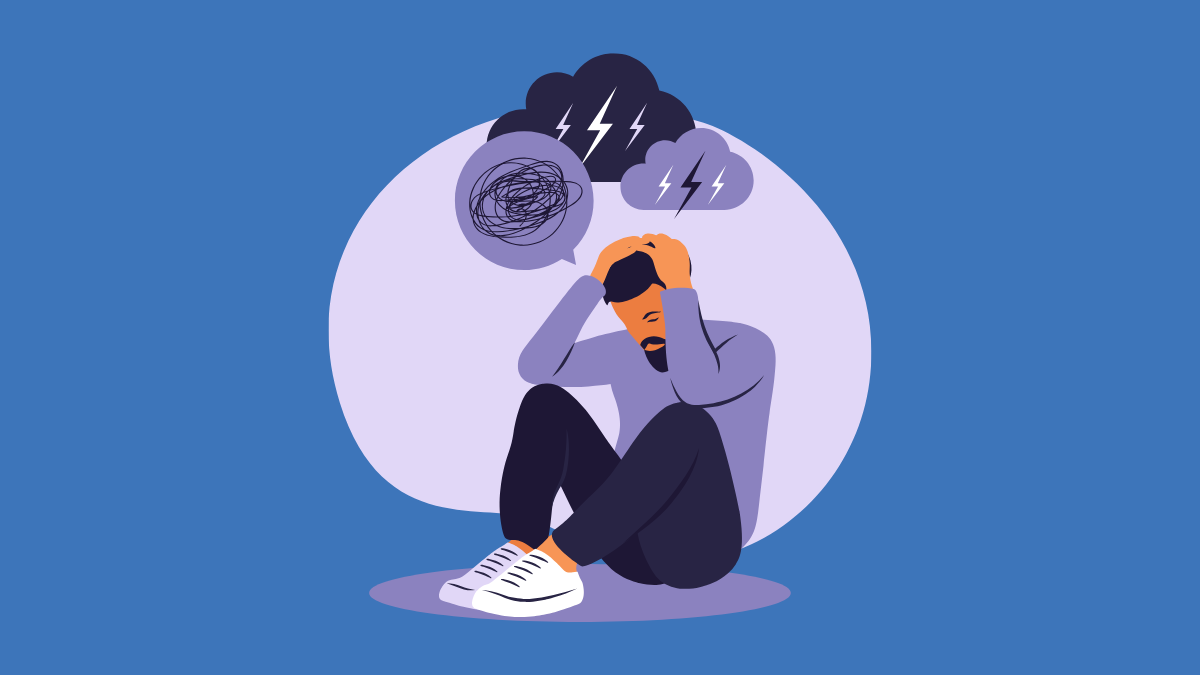
Depression is a multifaceted mental health condition that reaches far beyond temporary sadness or emotional discomfort. It influences how individuals experience emotions, process thoughts, relate to others, and manage everyday responsibilities. Depression symptoms that affect emotional and mental health often develop quietly, gradually reshaping a person’s inner world and altering how they respond to life. Because these changes may occur slowly, many people fail to recognize them as signs of depression until the impact becomes overwhelming.
Understanding how depression symptoms influence emotional and mental health is essential for early awareness, prevention, and recovery. Emotional balance and mental clarity are central to overall well-being, and when depression disrupts these systems, it can affect every area of life. This article provides a comprehensive exploration of depression symptoms that affect emotional and mental health, explaining how they develop, how they manifest, and why early recognition is so important.
- Understanding Depression And Emotional Health
- Understanding Depression And Mental Health
- Persistent Emotional Sadness And Low Mood
- Emotional Numbness And Loss Of Feeling
- Increased Irritability And Emotional Reactivity
- Reduced Ability To Experience Joy
- Feelings Of Hopelessness And Despair
- Excessive Guilt And Emotional Self-Blame
- Negative Self-Perception And Low Self-Worth
- Persistent Anxiety Alongside Depression
- Cognitive Slowing And Mental Fatigue
- Difficulty Concentrating And Emotional Frustration
- Negative Thought Patterns And Emotional Distress
- Reduced Decision-Making Ability
- Memory Difficulties And Emotional Impact
- Social Withdrawal And Emotional Isolation
- Reduced Emotional Expression
- Heightened Sensitivity To Emotional Stress
- Physical Symptoms And Emotional Connection
- Emotional Exhaustion And Burnout
- Impact On Identity And Sense Of Self
- The Cycle Between Emotional And Mental Health
- Why These Symptoms Are Often Overlooked
- Importance Of Early Recognition
- Supporting Emotional And Mental Well-Being
- Conclusion
- FAQs
Understanding Depression And Emotional Health
Emotional health refers to the ability to recognize, express, and manage emotions in a balanced and adaptive way. Depression interferes with this balance by altering emotional responses and reducing emotional flexibility. Depression symptoms often limit a person’s capacity to experience positive emotions while amplifying negative emotional states.
People with depression may feel emotionally overwhelmed, disconnected, or unable to regulate their feelings effectively. Emotional reactions may become intense, blunted, or unpredictable. These changes are not intentional or controllable through willpower alone, as depression affects the brain systems responsible for emotional regulation.
Understanding Depression And Mental Health
Mental health involves cognitive functioning, thought patterns, perception, and the ability to cope with stress and challenges. Depression symptoms directly affect mental health by influencing how individuals think, interpret experiences, and make decisions. Cognitive distortions, reduced concentration, and negative self-perception are common features.
When mental health is compromised by depression, individuals may struggle with clarity, motivation, and confidence. Everyday decisions can feel overwhelming, and problem-solving abilities may decline. These mental health effects often reinforce emotional distress, creating a cycle that sustains depression over time.
Persistent Emotional Sadness And Low Mood
One of the most recognized depression symptoms affecting emotional health is persistent sadness. This sadness is not linked to a single event and does not resolve with time or reassurance. It often feels deep, constant, and emotionally draining.
Individuals may describe this sadness as a heavy emotional weight that follows them throughout the day. It can reduce emotional responsiveness and make positive experiences feel muted or irrelevant. Persistent low mood affects emotional resilience and makes it harder to cope with daily challenges.
Emotional Numbness And Loss Of Feeling
Not all emotional effects of depression involve sadness. Emotional numbness is a significant symptom that affects emotional health by reducing the ability to feel emotions at all. Individuals may feel detached from their feelings, relationships, or surroundings.
This numbness can be confusing and distressing, as people may worry that they have lost their emotional capacity permanently. Emotional disconnection often leads to isolation and confusion about identity and purpose. Recognizing numbness as a depression symptom helps normalize the experience and encourages appropriate care.
Increased Irritability And Emotional Reactivity
Depression symptoms often include heightened irritability and emotional reactivity. Small inconveniences or minor frustrations may trigger strong emotional responses such as anger, impatience, or frustration.
This emotional instability can strain relationships and create misunderstandings. Others may misinterpret irritability as hostility or personality change. Understanding that emotional reactivity is a symptom of depression promotes empathy and reduces conflict in personal and professional relationships.

Reduced Ability To Experience Joy
Anhedonia, or the reduced ability to experience pleasure, is a core emotional symptom of depression. Activities that once brought happiness, excitement, or satisfaction may no longer feel rewarding.
This loss of joy affects emotional health by diminishing motivation and engagement with life. Over time, individuals may withdraw from hobbies, social activities, and goals, reinforcing emotional isolation and hopelessness.
Feelings Of Hopelessness And Despair
Hopelessness is a powerful emotional symptom of depression that affects outlook and motivation. Individuals may believe that their situation will never improve or that their efforts are pointless.
This emotional state reduces resilience and problem-solving ability. Hopelessness often prevents individuals from seeking help, as they may believe support will not make a difference. Early recognition of hopeless thinking is essential for emotional recovery.
Excessive Guilt And Emotional Self-Blame
Depression symptoms frequently involve excessive guilt and self-blame. Individuals may feel responsible for events beyond their control or believe they have failed others in some way.
This emotional burden can dominate daily thoughts and erode self-esteem. Guilt often becomes disconnected from reality, yet feels intensely convincing. Addressing these emotional patterns early helps reduce internal suffering and restores emotional balance.
Negative Self-Perception And Low Self-Worth
Depression significantly affects emotional health by altering self-perception. Individuals may view themselves as inadequate, unworthy, or fundamentally flawed.
These beliefs influence emotions by fostering shame, self-criticism, and emotional withdrawal. Over time, low self-worth reinforces depression symptoms and limits emotional growth. Recognizing changes in self-image is a critical step in understanding emotional impact.
Persistent Anxiety Alongside Depression
Depression symptoms often coexist with anxiety, affecting both emotional and mental health. Persistent worry, fear, or unease may accompany depressive emotions, creating constant emotional tension.
This combination intensifies emotional distress and reduces the ability to relax or feel safe. Anxiety-driven emotions may further disrupt sleep, concentration, and emotional regulation, deepening the overall impact on mental health.
Cognitive Slowing And Mental Fatigue
Mental fatigue is a common depression symptom that affects cognitive and emotional functioning. Individuals may feel mentally exhausted, slow, or overwhelmed by simple tasks.
This mental fatigue limits emotional coping skills and increases frustration. When cognitive energy is low, emotional regulation becomes more difficult, leading to emotional overwhelm or withdrawal.
Difficulty Concentrating And Emotional Frustration
Concentration problems are a key mental health symptom of depression. Individuals may struggle to focus, process information, or complete tasks efficiently.
These difficulties often lead to emotional frustration, self-doubt, and stress. Over time, cognitive challenges can affect confidence and emotional stability, reinforcing depressive patterns.
Negative Thought Patterns And Emotional Distress
Depression symptoms strongly influence thought patterns, often leading to persistent negativity. Individuals may focus on failures, expect negative outcomes, or interpret neutral situations as threatening.
These thought patterns shape emotional responses and increase distress. Negative thinking habits often become automatic, making emotional recovery more challenging without awareness and intervention.
Reduced Decision-Making Ability
Decision-making difficulties are common mental health effects of depression. Even small choices may feel overwhelming or exhausting.
This cognitive challenge affects emotional health by increasing anxiety, frustration, and self-criticism. Individuals may avoid decisions altogether, leading to emotional stagnation and loss of confidence.
Memory Difficulties And Emotional Impact
Depression symptoms can affect memory, particularly short-term memory and recall. Individuals may forget conversations, tasks, or details, which can be distressing.
Memory difficulties often lead to embarrassment and emotional insecurity. Over time, these experiences may reinforce negative self-beliefs and emotional withdrawal.
Social Withdrawal And Emotional Isolation
Depression symptoms frequently lead to social withdrawal, which affects emotional health by reducing connection and support. Individuals may avoid social interactions due to fatigue, low mood, or fear of burdening others.
Isolation intensifies emotional distress and reinforces feelings of loneliness. Early recognition of social withdrawal allows for supportive intervention and emotional reconnection.
Reduced Emotional Expression
Depression often limits emotional expression. Individuals may struggle to articulate feelings or may suppress emotions entirely.
This emotional restriction can create distance in relationships and prevent emotional processing. Over time, unexpressed emotions may intensify internal distress and mental exhaustion.
Heightened Sensitivity To Emotional Stress
Depression symptoms reduce emotional tolerance, making individuals more sensitive to stress. Situations that were previously manageable may now feel overwhelming.
This heightened sensitivity affects emotional stability and increases vulnerability to burnout. Recognizing changes in stress response is important for protecting emotional health.
Physical Symptoms And Emotional Connection
Physical symptoms such as headaches, muscle tension, and digestive issues are closely linked to emotional distress in depression. These physical sensations often reflect unresolved emotional strain.
Chronic physical discomfort can worsen emotional well-being by increasing frustration and hopelessness. Understanding the emotional roots of physical symptoms supports holistic mental health care.
Emotional Exhaustion And Burnout
Emotional exhaustion is a significant depression symptom that affects both emotional and mental health. Individuals may feel depleted, detached, and unable to cope with emotional demands.
This exhaustion reduces emotional resilience and increases vulnerability to stress. Early identification allows individuals to rest, seek support, and prevent further emotional decline.
Impact On Identity And Sense Of Self
Depression symptoms can alter how individuals perceive their identity. People may feel disconnected from their values, goals, or sense of purpose.
This identity disruption affects emotional stability and confidence. Reconnecting with personal meaning is an important part of emotional recovery from depression.
The Cycle Between Emotional And Mental Health
Emotional and mental health are deeply interconnected. Depression symptoms affecting one area often influence the other. Negative thoughts fuel emotional distress, while emotional pain reinforces cognitive distortions.
Breaking this cycle requires awareness, support, and appropriate care. Understanding the interaction between emotional and mental symptoms empowers individuals to seek comprehensive treatment.
Why These Symptoms Are Often Overlooked
Depression symptoms affecting emotional and mental health are often internal and invisible. Many individuals continue functioning externally while struggling internally.
Cultural expectations, stigma, and lack of mental health education contribute to delayed recognition. Increased awareness helps normalize emotional struggles and encourages early support.
Importance Of Early Recognition
Early recognition of depression symptoms affecting emotional and mental health improves outcomes significantly. Addressing symptoms early prevents long-term emotional damage and supports recovery.
Awareness allows individuals to take proactive steps, adjust routines, and seek professional guidance when needed.
Supporting Emotional And Mental Well-Being
Supporting emotional and mental health involves compassion, understanding, and access to reliable information. Open conversations and emotional validation play a crucial role.
Encouraging healthy routines, stress management, and professional support helps restore emotional balance and mental clarity.
Conclusion
Depression symptoms that affect emotional and mental health can quietly reshape how individuals experience life, emotions, and themselves. Persistent sadness, emotional numbness, negative thinking, cognitive difficulties, and emotional exhaustion are not personal failures but signs of emotional and mental strain. Recognizing these symptoms early is essential for protecting well-being and preventing long-term distress.
Understanding the emotional and mental impact of depression empowers individuals to seek help, build resilience, and reclaim emotional balance. Awareness is the foundation of recovery, and emotional health deserves the same care and attention as physical health. Click here to return to the homepage and unlock more content.
FAQs
How do depression symptoms affect emotional health
Depression symptoms affect emotional health by disrupting emotional regulation, reducing the ability to feel joy, increasing sadness or numbness, and intensifying negative emotions such as guilt and hopelessness.
Can depression impact mental clarity and thinking
Yes, depression symptoms often affect mental health by causing concentration problems, negative thinking patterns, memory difficulties, and reduced decision-making ability.
Why is it important to address emotional and mental symptoms early
Addressing emotional and mental symptoms early prevents depression from worsening, reduces long-term emotional distress, and improves recovery outcomes through timely support and intervention.
 admin
admin