

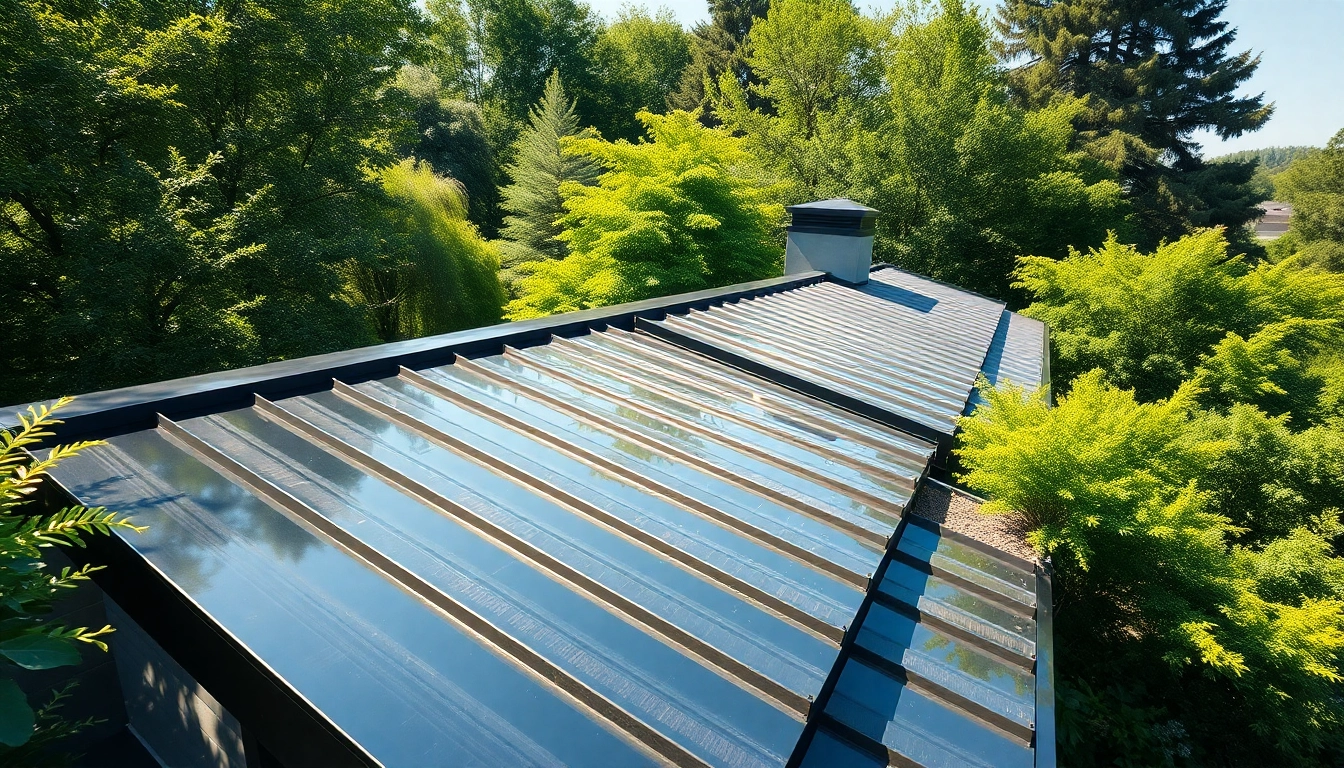
Understanding Metal Roofing
What is Metal Roofing?
Metal roofing refers to a roofing system made from metal pieces or tiles characterized by their durability and longevity. Common metals used for these roofs include steel, aluminum, copper, and zinc. Metal roofing stands out due to its ability to withstand various weather conditions while providing a modern aesthetic to homes and commercial buildings alike. The appeal of metal roofing lies in its versatility and compatibility with different architectural styles.
Benefits of Metal Roofing
Metal roofing offers a multitude of benefits that make it an attractive option for homeowners and builders. Some of the key advantages include:
- Longevity: Metal roofs can last 40 to 70 years, significantly longer than traditional asphalt shingles.
- Durability: They are resistant to extreme weather conditions, including high winds, heavy rain, and snow.
- Energy Efficiency: Metal roofs reflect solar radiant heat, which can reduce cooling costs by 10-25%.
- Environmentally Friendly: Many metal roofing options are made from recycled materials and are 100% recyclable at the end of their life.
- Low Maintenance: Unlike other roofing materials, metal roofs do not require regular maintenance, aside from occasional inspections and cleaning.
Common Materials Used
Metal roofing systems can be constructed from various metals, each offering unique properties:
- Steel: The most common type of metal roofing, often coated with zinc for additional corrosion resistance.
- Aluminum: Lightweight and resistant to corrosion, ideal for coastal environments.
- Copper: Known for its aesthetic appeal and durability, copper roofing develops a beautiful patina over time.
- Zinc: Offers a striking look and is known for its ability to self-heal scratches and imperfections.
Evaluating Metal Roofing Options
Types of Metal Roofing Solutions
When considering metal roofing, several types can be tailored to your needs:
- Metal Shingles: Resembling traditional shingles, these provide flexibility in design and are easy to install.
- Standing Seam Panels: Featuring vertical seams, these panels are highly watertight and allow for natural expansion and contraction.
- Ribbed Panels: Common for commercial buildings, ribbed panels are economical and durable.
- Corrugated Metal: Used often in agricultural and industrial settings due to their robustness and ease of installation.
Cost Analysis of Metal Roofing
The cost of installing metal roofing can vary significantly based on several factors, including material choice, design complexity, and installation labor. Here’s a breakdown of costs:
- Material Costs: Ranging from $5 to $12 per square foot, based on the type of metal.
- Installation Costs: Typically $3 to $10 per square foot; this depends on the experience level of the contractor and local labor rates.
- Additional Costs: Underlayment, flashings, and insulation can add up to 20% to your total budget.
While the upfront cost may be higher than traditional options like asphalt shingles, the long-term savings on maintenance and energy bills should be factored into the overall value proposition.
Visual Aesthetics and Architectural Styles
Metal roofing is not only functional but also offers a variety of aesthetic choices. Different metal types and finishes can complement virtually any architectural style:
- Modern Designs: Sleek lines and colors that integrate seamlessly with contemporary homes.
- Rustic Appeal: Weathered metals can evoke a charming vintage look, suited for cottages and farmhouses.
- Industrial Styles: Exposed metal can enhance the modern industrial aesthetic popular in urban settings.
- Classic Looks: Options such as standing seam roofs can complement traditional architecture, providing an elegant look
Installation Process for Metal Roofing
Preparation and Planning
The initial step in the installation process is thorough planning and preparation. This phase includes:
- Assessing the existing roof structure for integrity and any necessary repairs.
- Selecting a roofing material and color that fits the design needs of the project.
- Gathering necessary permits and understanding local building codes to ensure compliance.
Tools and Materials Needed
Having the right tools is essential for a successful metal roofing installation. The common items needed include:
- Power Screwdrivers
- Metal Snips
- Measuring Tape
- Safety Gear (gloves, goggles, harnesses)
- Ladders and Scaffolding
- Underlayment and Flashing Materials
Step-by-Step Installation Guide
The installation of metal roofing generally follows these steps:
- Remove Existing Roofing: Carefully strip away old roofing materials to expose the deck.
- Inspect and Repair Decking: Ensure plywood or insulation material is in solid condition.
- Install Underlayment: Lay down a waterproof underlayment to prevent moisture damage.
- Lay the Metal Panels: Start from one end of the roof and lay the panels methodically, ensuring proper alignment and overlap.
- Secure Panels: Use appropriate fasteners and techniques specific to the metal type to secure the panels firmly.
- Seal Joints and Edges: Apply sealant where necessary, especially at seams and roof edges.
- Final Inspection: Check the entire roof for proper installation and make any adjustments.
Maintenance and Care for Metal Roofing
Regular Inspection Practices
To maintain the quality and appearance of metal roofing, regular inspections are vital. Consider doing the following:
- Inspect the roof surface for signs of rust or damage.
- Check the seams and flashing for leaks or corrosion.
- Clear debris such as leaves and branches that may cause water to pool.
Common Issues and Fixes
Common problems might arise with metal roofing, but many can be resolved with straightforward solutions:
- Rust Formation: Treat affected areas with rust remover and repaint with a corrosion-resistant finish.
- Loose Panels: Tighten screws or replace any that appear stripped or missing.
- Leak Repairs: Seal any gaps or holes with appropriate roofing sealant.
Longevity Tips for Metal Roofing
Extending the life of your metal roof involves practice and diligence. Key tips for maximizing longevity include:
- Keep gutters clear to ensure proper drainage.
- Apply a protective coating every few years to prevent corrosion.
- Ensure that trees do not overhang, which can cause scratches and deterioration from falling limbs.
Frequently Asked Questions about Metal Roofing
Why choose metal roofing over traditional roofing?
Metal roofing is known for its superior durability, longevity, and energy efficiency compared to traditional roofing materials like asphalt shingles.
How long does metal roofing last?
Typically, metal roofing can last between 40 to 70 years, significantly outlasting traditional roofs, depending on the material and maintenance.
Is metal roofing energy-efficient?
Yes, metal roofing reflects solar heat, helping to keep homes cooler in summer and potentially lowering energy bills by 10-25%.
Can metal roofing withstand extreme weather?
Indeed, metal roofing is designed to withstand extreme weather conditions including heavy rain, snow, hail, and high winds without significant damage.
What colors are available for metal roofing?
Metal roofing comes in a variety of colors and finishes, allowing homeowners to choose styles that match their architectural aesthetics and personal preferences.