

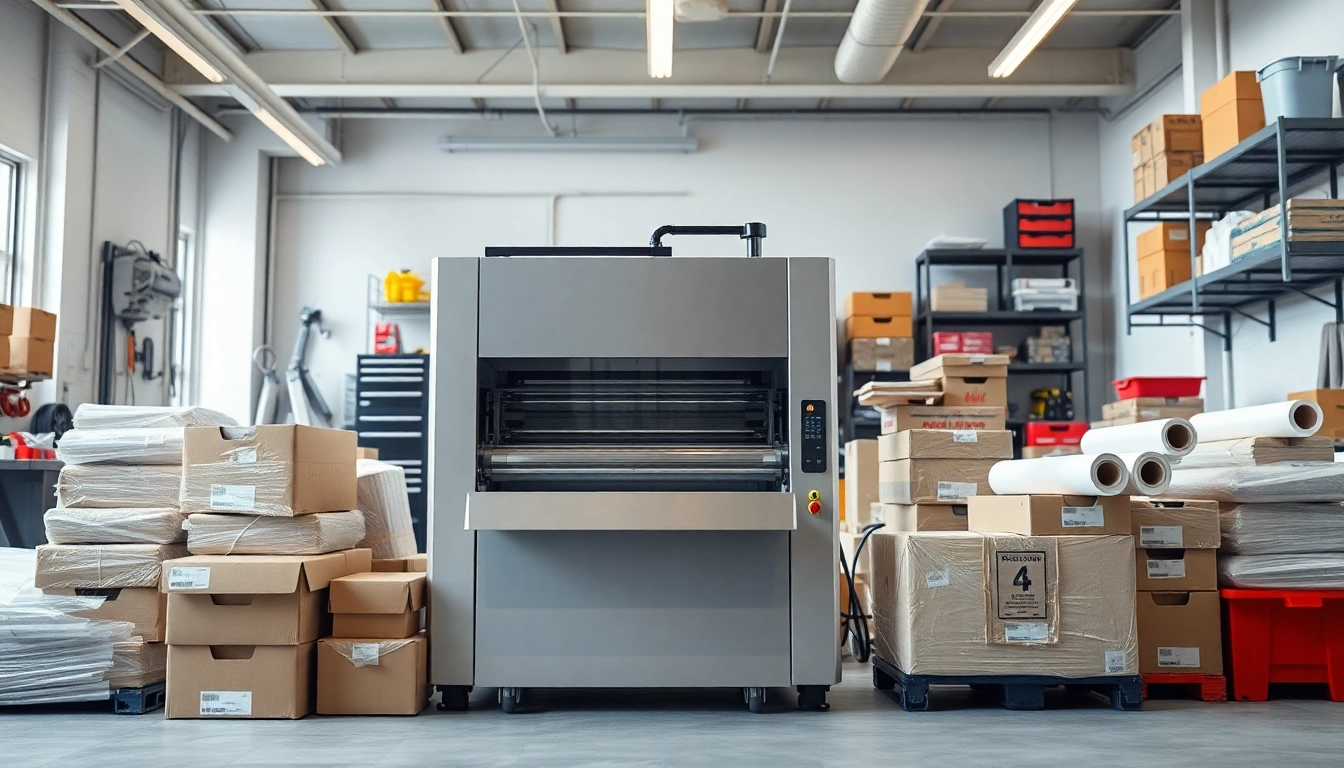
Introduction to Shrink Wrap Machine
Shrink wrap machines are essential tools in modern packaging environments, designed to create durable, protective packaging for a variety of products. They utilize heat to shrink a plastic film around an item, providing a secure and protective covering that preserves product integrity. Industries ranging from food service to manufacturing and retail rely on shrink wrap machines to enhance packaging efficiency and product presentation. Understanding the fundamentals and applications of a shrink wrap machine is crucial for businesses looking to optimize their packaging processes.
Understanding the Basics of Shrink Wrap Machines
A shrink wrap machine is a packaging device that employs heat to encase products in a film. The fundamental operation involves wrapping the item in polyolefin or PVC film and applying heat, which causes the film to shrink tightly around the product. This process not only provides protection against dust, moisture, and physical damage but also enhances the aesthetic appeal of the packaged goods. Additionally, shrink wrap machines can accommodate various item shapes and sizes, making them adaptable for small batches to high-volume production.
Key Components of a Shrink Wrap Machine
The essential components of a shrink wrap machine include:
- Heat Source: This could be a heat gun, oven, or tunnel that applies intense heat to shrink the film around the product.
- Film Dispensing System: Mechanisms that feed the shrink film into the machine, allowing for continuous operation.
- Conveyor System: Often integrated into automated machines, these transport products through the shrink wrapping process.
- Control Panel: Used to adjust settings related to speed, temperature, and film feed, allowing operators to customize the wrapping process.
Benefits of Using a Shrink Wrap Machine
The adoption of shrink wrap technology brings numerous advantages to businesses:
- Enhanced Protection: The tight seal created by shrink wrapping protects items from damage during transportation and storage.
- Cost-Effectiveness: Shrink wrap machines can lead to significant reductions in packaging costs compared to traditional methods.
- Improved Shelf Life: By sealing products, shrink wrapping helps in prolonging their shelf life, particularly in food and pharmaceutical industries.
- Aesthetic Appeal: Shrink wrapped products have a polished appearance, which can enhance branding and marketability.
Types of Shrink Wrap Machines
Manual vs. Automatic Shrink Wrap Machines
Shrink wrap machines are available in both manual and automatic configurations. Manual machines require operators to place products on the wrapping surface and initiate the shrinking process, making them suitable for lower volume applications or small businesses. However, they can be labor-intensive and time-consuming.
On the other hand, automatic shrink wrap machines are designed for high-volume production environments. They offer continuous operation and can wrap multiple products simultaneously without the need for manual intervention, greatly increasing efficiency and throughput.
Industrial vs. Portable Shrink Wrap Machines
Industrial shrink wrap machines are robust, high-capacity models designed for continuous heavy-duty usage. They are typically found in large manufacturing facilities and logistics centers. These machines can handle a vast range of products, adapting to variations in size and shape.
Portable shrink wrap machines provide versatility and convenience for smaller operations or on-site packaging. These lightweight machines can be transported easily and are ideal for small businesses, retail environments, or even food stalls.
Choosing the Right Type for Your Business
When selecting a shrink wrap machine, consider the following factors:
- Production Volume: Assess your daily output to determine if you require a manual or automatic machine.
- Product Variety: Evaluate the types of products you will be packaging, including their sizes and shapes.
- Budget: Identify your budget constraints, as prices can vary significantly between manual and automatic machines.
- Space Availability: Ensure you have adequate space for the equipment, especially if considering industrial models.
How to Operate a Shrink Wrap Machine
Setting Up Your Shrink Wrap Machine
Before operating a shrink wrap machine, ensure it is properly set up. This involves:
- Positioning the machine on a flat, stable surface that can support its weight.
- Connecting it to a suitable power source that meets the machine’s voltage requirements.
- Loading the machine with the appropriate shrink film, ensuring it is fed correctly through the film dispensing system.
- Adjusting the temperature and speed settings according to the film manufacturer’s recommendations.
Best Practices for Efficient Operation
To ensure efficient and effective operation of your shrink wrap machine, consider the following best practices:
- Regularly clean and maintain the machine to prevent buildup that can cause jams or malfunctions.
- Train operators thoroughly to understand machine features, settings, and troubleshooting methods.
- Perform routine quality checks on the seals to confirm that products are securely wrapped and protected.
Safety Tips When Using a Shrink Wrap Machine
Safety should be a top priority when operating shrink wrap machines. Follow these guidelines:
- Always wear appropriate personal protective equipment (PPE), such as gloves and safety goggles.
- Keep the working area clear of obstructions to prevent accidents.
- Ensure that all operators understand emergency shutdown procedures and safety features of the machine.
- Keep hands and clothing away from moving parts to avoid injuries.
Maintenance of Your Shrink Wrap Machine
Routine Maintenance Tasks
Maintaining your shrink wrap machine ensures its longevity and efficiency. Key maintenance tasks include:
- Regularly check and replace worn or damaged parts, including heating elements and seals.
- Lubricate moving parts as per the manufacturer’s guidelines to minimize wear and tear.
- Conduct periodic inspections of electrical components to ensure they are functioning properly and safely.
Troubleshooting Common Issues
Common issues that may arise with shrink wrap machines include:
- Insufficient Sealing: This may be caused by incorrect temperature or film misalignment. Adjust the settings accordingly.
- Film Jams: Ensure the film is properly loaded and free from obstructions to prevent jams.
- Poor Shrink Quality: This could indicate that the heat source is not set to the correct temperature. Calibration may be necessary.
When to Seek Professional Servicing
If your shrink wrap machine experiences persistent problems that cannot be resolved through routine troubleshooting, it may be time to consult a professional technician. Additionally, consider professional servicing if:
- Your machine has not been serviced for an extended period.
- There are visible signs of damage that could compromise its operation.
Buying Guide for Shrink Wrap Machines
Factors to Consider When Buying a Shrink Wrap Machine
When investing in a shrink wrap machine, the following factors should guide your purchasing decision:
- Specifications: Assess the machine’s specifications, such as speed, heating capacity, and film compatibility.
- Warranty and Support: Look for machines that come with a warranty and reliable customer support for troubleshooting and maintenance assistance.
- User Reviews: Research user feedback to gauge the machine’s performance and reliability in real-world applications.
Comparing Prices and Features
Price comparison should not be solely about initial costs but also overall value, including durability, efficiency, and operational costs. Qualitative features often influence long-term satisfaction and return on investment. Features to compare include:
- Speed of operation and production capacity
- Additional functionalities, such as programmable settings or multi-product capability
- Footprint and space requirements relative to available workspace
Where to Purchase a Shrink Wrap Machine
Shrink wrap machines can be purchased from a variety of sources, including:
- Specialized packaging equipment suppliers, often with extensive product knowledge.
- Online retailers offering a wide range of options and competitive pricing.
- Trade shows and expos where you can see machines in action and consult with manufacturers directly.