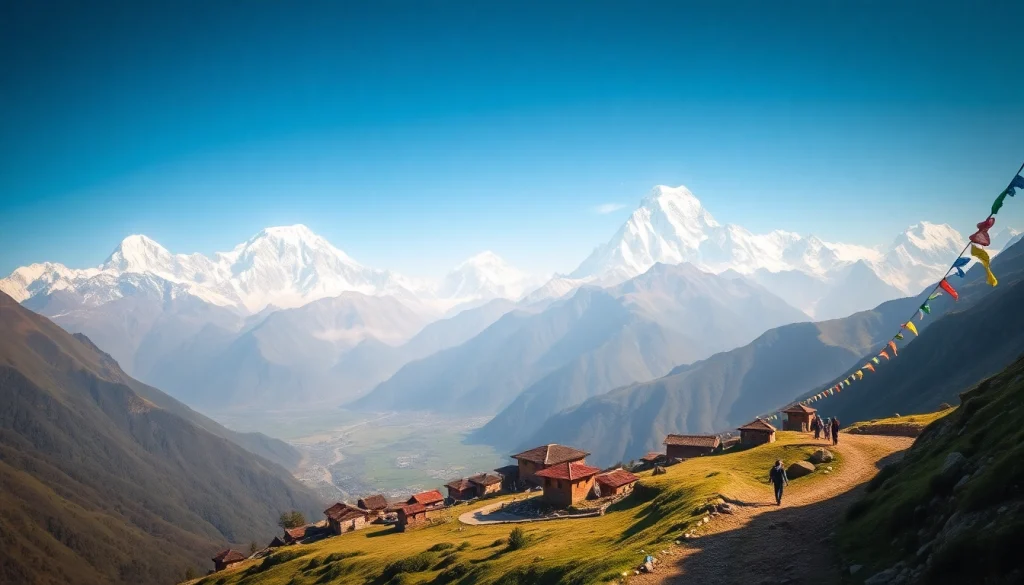
Overview of the Manaslu Circuit Trek
The manaslu circuit trek is one of the most enchanting trekking experiences available in Nepal. It offers adventurers a chance to delve into the stunning landscapes surrounding the eighth-highest mountain in the world, Mount Manaslu. Nestled in the heart of Gorkha District, this 15-day journey takes trekkers through lush valleys, tranquil rivers, and remote villages, all while being immersed in rich Tibetan culture. The trek not only challenges your physical stamina but also rewards you with breathtaking panoramic views and a deep connection to nature and local traditions.
As you navigate through the diverse terrain, from serene forests to high-altitude passes, the Manaslu Circuit Trek ensures a unique blend of adventure and serenity. The trek is less crowded compared to other popular routes, giving you a sense of solitude and tranquility often sought by nature lovers. Highlighted by its pristine beauty, this trek offers experiences that will remain in the memory long after you’ve returned from the mountains.
What to Expect on the Manaslu Circuit Trek
Trekking the Manaslu Circuit, you can expect a challenging yet rewarding physical experience. The trail encompasses various landscapes, including terraced fields, dense forests, and high mountain passes, culminating at the Larkya La Pass at 5,160 meters. Along the way, you will navigate rocky paths, cross suspension bridges, and witness stunning waterfalls, all while enjoying the serene sounds of nature. Each day will involve hiking for about 6-8 hours, giving you ample time to absorb the majestic surroundings.
Moreover, acclimatization is an essential part of the trek. Expect to rest and allow your body to adjust to the changing altitudes, particularly when you reach higher elevations. The trek is designed to facilitate this acclimatization, providing a day in Samagaon to explore the local culture and environment.
Key Highlights of the Trek
- Scenic Views: Experience stunning views of the Manaslu mountain range, including peaks like Ngadi Chuli and Himlung.
- Cultural Experience: Engage with the local Gurung and Tibetan communities, learning about their traditions and lifestyles.
- Unique Flora and Fauna: Traverse through rich biodiversity, from lush forests to alpine tundra.
- Historic Trails: Walk along ancient trade routes that have connected Nepal and Tibet for centuries.
- High-Altitude Challenge: Conquer the Larkya La Pass, a highlight for many trekkers, offering breathtaking views.
Why Choose the Manaslu Circuit Trek?
The demand for less-trafficked trails has placed the Manaslu Circuit Trek in a spotlight among avid trekkers. Unlike the more crowded Annapurna and Everest routes, this trek presents a quieter alternative that appeals to those seeking tranquility. The controlled number of permits aids in protecting the ecosystem while allowing trekkers to appreciate the untouched landscapes fully. It also establishes responsible trekking practices, ensuring that the area remains pristine for future generations.
The trek’s unique combination of cultural immersion, stunning vistas, and a sense of peaceful isolation makes it a must for anyone adventurous at heart.
Planning Your Trek: Itinerary and Preparation
It is crucial to plan your Manaslu Circuit Trek itinerary meticulously to maximize your experience and ensure safety. The trek generally spans 15 days, encompassing acclimatization days strategically placed throughout the journey. This itinerary balances trekking hours with opportunities to explore local culture and breathtaking sights.
15-Day Manaslu Circuit Trek Itinerary
Below is a general overview of the trekking itinerary:
- Day 1: Arrival in Kathmandu – Transfer to hotel.
- Day 2: Drive from Kathmandu to Machha Khola.
- Day 3: Trek to Jagat.
- Day 4: Trek to Deng.
- Day 5: Trek to Namrung.
- Day 6: Trek to Lho.
- Day 7: Trek to Samagaon.
- Day 8: Acclimatization day at Samagaon – optional hike to Birendra Lake.
- Day 9: Trek to Samdo.
- Day 10: Trek to Dharmashala.
- Day 11: Trek to Bimthang via Larkya La Pass.
- Day 12: Trek to Goa.
- Day 13: Trek to Dharapani.
- Day 14: Drive back to Kathmandu.
- Day 15: Final departure from Kathmandu.
This itinerary is subject to change based on weather and group needs, but it ensures that you will have a comprehensive experience of the Manaslu region’s beauty.
Essential Packing List for the Trek
Packing for the Manaslu Circuit Trek requires careful consideration of the variable weather conditions and the high-altitude environment. Here’s a list of essentials you should consider:
- Clothing: Layered clothing including moisture-wicking base layers, insulating mid-layers, and a waterproof outer layer.
- Footwear: Sturdy and comfortable trekking boots, along with camp shoes or sandals.
- Accessories: Warm hats, gloves, and sunglasses for sun protection.
- Sleeping Gear: A sleeping bag rated for below-freezing temperatures and a sleeping mat.
- Personal Items: Toiletries, medications, and a first-aid kit.
- Hydration: Reusable water bottles and purification tablets or filters.
Take the time to ensure all your gear is comfortable and well-tested to avoid any issues while on the trail. Be sure to consult with your trek organizer for any additional equipment they may provide.
Preparing for Altitude: Tips and Guidelines
When tackling the Manaslu Circuit, one of the most crucial aspects is acclimatization. Spending time at lower altitudes before ascending further helps your body adjust to the diminishing oxygen levels. It’s advisable to follow these guidelines:
- Stay Hydrated: Drink plenty of water to help your body acclimatize.
- Ascend Gradually: Take your time to increase your altitude, especially beyond 2,500 meters.
- Listen to Your Body: Be attentive to symptoms of altitude sickness, such as headaches and dizziness, and descend if necessary.
- Consult Your Doctor: Before the trek, discuss your plans with a healthcare provider, especially if you have a pre-existing condition.
By adhering to these preparations, your trekking experience will be more enjoyable and safer.
Accommodation and Meals During the Trek
During the Manaslu Circuit Trek, accommodation and dining arrangements greatly influence your experience. Expect to stay in local teahouses, which add to the cultural immersion of your journey.
Types of Lodging Along the Manaslu Circuit
Teahouses are simple yet comfortable, providing essential amenities. As you travel along the circuit, you can find:
- Shared Rooms: Twin-sharing; dormitory-style in peak seasons.
- Beds: Basic bedding supplied, but consider bringing your sleeping bag for extra comfort.
- Facilities: Most teahouses have shared toilets and a communal dining area.
While they may lack luxury, the hospitality you receive from hosts will enrich your experience.
Typical Meal Options and Dietary Considerations
Teahouse menus typically feature local Nepali and Tibetan cuisine. Common dishes include:
- Daal Bhat: A staple of rice and lentils, served with a variety of vegetable curries.
- Momos: Delicious steamed dumplings filled with veggies or meat.
- Soups and Noodles: Popular options for hearty meals, especially on colder evenings.
Make sure to inform your trek organizer of any dietary restrictions prior to the trek to ensure your needs are met.
Water Safety and Hydration Methods
Staying hydrated is crucial during your trek. It’s advisable to:
- Use purification tablets or filters to treat water sourced from rivers or streams.
- Purchase boiled water from teahouses when necessary, although it comes at a small fee.
- Carry a refillable water bottle to reduce plastic waste.
Planning your hydration strategy ensures you maintain optimal energy levels throughout your trek.
Safety and Health Considerations
Your safety during the Manaslu Circuit Trek should always be a top priority. Understanding potential health risks and how to manage them is essential for a successful adventure.
Understanding Acute Mountain Sickness (AMS)
AMS can affect anyone trekking at high altitudes. Symptoms often start with headaches and can escalate to more serious issues if not addressed. To prevent AMS, ensure you:
- Acclimatize appropriately by allowing your body time to adjust to higher altitudes.
- Monitor symptoms closely; if you feel unwell, inform your guide immediately and consider descending to a lower altitude.
- Consider consulting a physician about medications that may help with altitude sickness.
A good understanding of AMS prepares you well for the journey ahead.
Safety Measures and Guide Training
All guides on the Manaslu Circuit have received extensive training in high-altitude trekking and first aid. They are well-equipped to manage emergencies and ensure your safety. Guides carry necessary emergency gear and are trained to respond to altitude sickness and other complications swiftly.
Emergency Procedures on the Trek
In case of emergencies, your guide will assess the situation and make necessary arrangements for transportation or evacuation. Communication links are established with the base office, ensuring that help can be dispatched if needed.
Booking Your Manaslu Circuit Trek
Booking your trek requires proper planning and understanding of the options available. With multiple agencies offering guided tours, comparing services is recommended.
Costs and Payment Options for the Trek
Costs for the Manaslu Circuit Trek can vary significantly based on the agency, services included, and the trekking season. Generally, you should expect to pay between $1,500 and $2,500, inclusive of permits, accommodation, meals, and guides. It’s advisable to review the specifics in your chosen package to ensure all your needs are accommodated.
Group Sizes and Personalized Trekking Experiences
The average group size for the Manaslu Circuit Trek is around 10-14 trekkers. Smaller groups can lead to a more personalized experience, and some agencies offer private trips tailored to your preferences. If you prefer a more intimate setting or specific itineraries, consider discussing these options with your trek provider.
Frequently Asked Questions About the Manaslu Circuit Trek
Many frequently asked questions revolve around preparation and safety. Here are some of the most common queries:
- Do I need prior trekking experience? No prior experience is necessary, but a good fitness level is essential.
- How challenging is the trek? It is rated as moderately challenging, with daily hikes averaging 6-8 hours.
- What permits do I need? You will require a TIMS card, MCAP, and MRAP to trek in the region.
- Can I trek solo? Due to regulations, it’s best to trek with a licensed guide.
Addressing these concerns in advance can help create a smoother journey for your trek.