

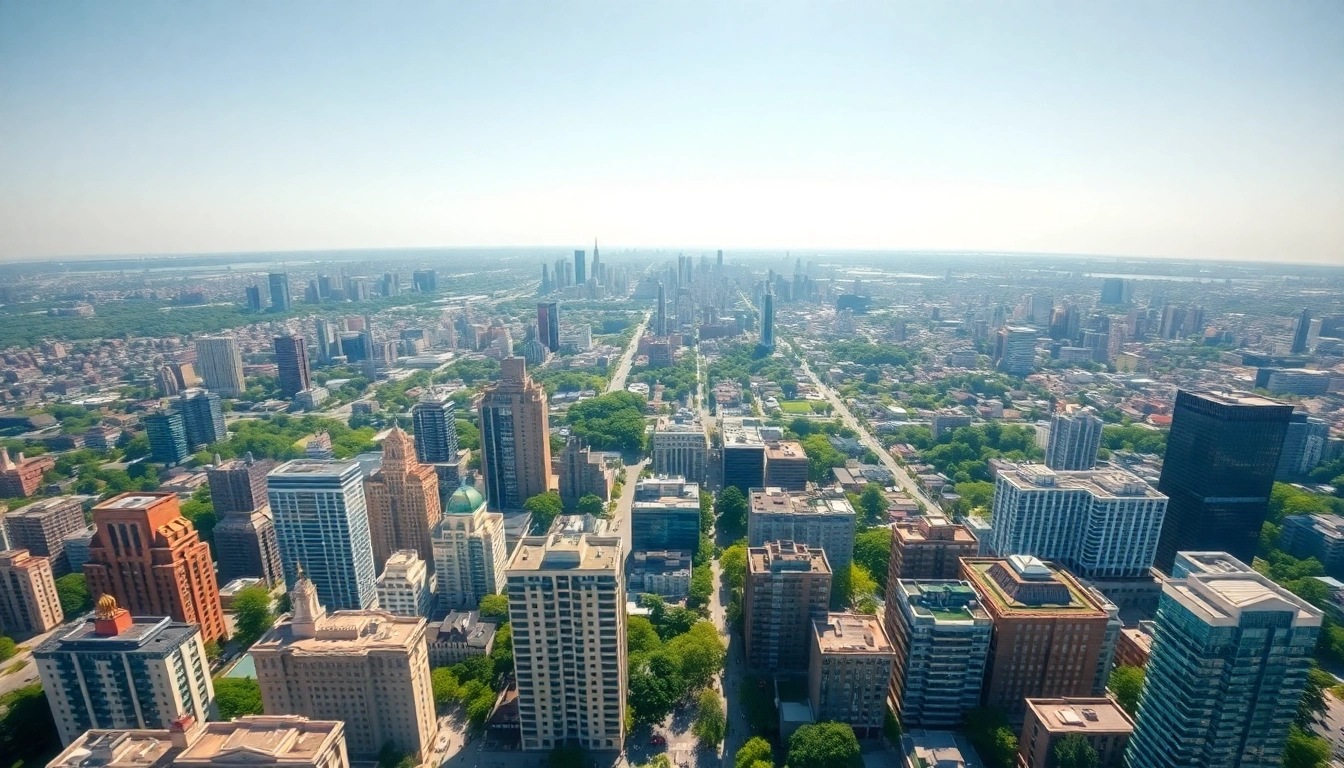
Understanding City Dimensions
When discussing urban landscapes, one of the most debated aspects is the size of a city. The vital question arises, which is the largest city in the world by area? City dimensions encompass not only land area but also the population density that influences urban life. Understanding these dynamics is crucial for grasping why some cities claim the title of the largest based on different measures.
Defining City Area vs. Population
City area refers to the total landmass occupied by the city, encompassing parks, buildings, roads, and other geographical features. However, defining a city solely by its physical space can be misleading without considering population. For instance, cities like Tokyo may have immense populations concentrated in smaller areas, contrasting with cities sprawled across larger territories but housing fewer residents.
Importance of Geographic Size
The geographic size of a city can impact several factors, including governance, resource management, and urban planning. Larger cities may face more complicated administrative challenges due to their expansive areas and diverse neighborhoods. Furthermore, cities with greater physical size can benefit from more land for parks, infrastructure, and commercial development, allowing for enhanced quality of life for residents.
Methodology for Calculating City Areas
Accurately measuring a city’s area requires a systematic approach, often utilizing satellite imagery and Geographic Information Systems (GIS) technology. These tools provide detailed maps that include boundaries, land use types, and geographic features that can influence the city’s usability and sustainability. However, the parameters for what constitutes a city can vary significantly, complicating straightforward comparisons across global cities.
Criteria for Being the Largest City
Identifying the largest city based on area involves more than just numbers; it requires an in-depth look at various contributing factors that define the urban landscape.
Land Area vs. Urban Density
While land area is a critical metric, urban density—the number of people living per square kilometer—provides another perspective on a city’s size. A sprawling city with vast empty areas may technically be larger but can be less populous and vibrant than a densely packed urban center. For example, cities like Anchorage have a vast area but a relatively low population when compared to cities like New York.
Factors Influencing City Growth
Various factors contribute to the growth of cities, including economic opportunities, infrastructure development, and migration patterns. Economic hubs attract people seeking jobs, thereby increasing both population density and urban expansion. Additionally, policies supporting urban development, building codes, and zoning laws can either promote or hinder growth, influencing the overall area of cities.
Global Comparisons of City Sizes
Globally, several cities vie for the title of the largest. Initially, cities like Tokyo, China’s Chongqing, and New York are often mentioned; however, Chongqing stands out with an extensive area of approximately 82,403 square kilometers, primarily due to its administrative boundaries encompassing vast rural territories. Such comparisons illustrate the complexity surrounding urban size measurement and classification.
Highlighting the Largest City in Depth
To better understand the dynamics at play, it’s essential to delve into the largest city by area and explore its features, cultural significance, and unique challenges.
Key Features and Landmarks
The largest city, Chongqing, is not only distinct in its area but also filled with key landmarks such as the Dazu Rock Carvings and the iconic Yangtze River. The city’s geographical features also include mountains and rivers that contribute to its stunning set of natural landscapes. Chongqing boasts a rich history tied to its diverse cultural heritage, marrying modern architecture with ancient traditions.
Cultural and Economic Significance
Chongqing serves as a crucial economic center in southwestern China, with industries ranging from manufacturing to finance. Its cultural landscape reflects a blend of rich history and rapid modernization, allowing for vibrant arts and culinary scenes. As a municipality directly governed by the central government, Chongqing plays an essential role in regional planning and development, influencing the economy of neighboring provinces as well.
Environmental Aspects of the City
Located at the confluence of two major rivers, the Yangtze and Jialing, Chongqing faces significant environmental challenges. Urban sprawl impacts local ecosystems, while air and water pollution can threaten public health. However, initiatives aimed at sustainable urban development are becoming increasingly significant as the city strives to balance growth with environmental stewardship.
Challenges Faced by Large Cities
Despite their advantages, large cities encounter numerous challenges, particularly as they continue to expand.
Urban Sprawl and Infrastructure Needs
Urban sprawl is a common problem for large cities, leading to increased traffic congestion and inefficient public transport. As cities grow, infrastructure must evolve to meet the rising demands. Strategic planning is vital to ensure effective transportation systems, sanitation, and utilities are in place for sprawling populations.
Sustainability and Environmental Concerns
The sustainability of large cities is a pressing issue, as rapid urbanization often neglects ecological considerations. Green spaces are vital in combating urban heat and maintaining biodiversity. Enforcing environmentally friendly policies and investing in green infrastructure can help mitigate some of these risks, improving living conditions for urban dwellers.
Management of Resources and Population
Effective resource management becomes increasingly complex in large cities. Water supply, energy consumption, and waste management are all critical factors that need to be addressed proportionately to population growth. Developing robust systems for recycling, energy efficiency, and community engagement can foster sustainable resource management.
Future of the Largest City in the World by Area
As urban landscapes continue to evolve, so does the future of cities like Chongqing, which will face numerous new and ongoing challenges and opportunities.
Urban Planning and Development Trends
Urban planning is pivotal to ensuring that the future development of large cities follows sustainable practices. There are trends toward smart city initiatives that utilize technology to improve urban living. These initiatives can enhance public transport, reduce energy consumption, and improve service delivery, aiding in better overall city management.
Adapting to Technological Changes
Technological advancements present both challenges and opportunities for large cities. Innovations in transportation, such as electric vehicles and autonomous public transit, can redefine how large urban areas manage transportation. Embracing these changes can significantly enhance efficiency and reduce environmental impacts.
Prospects for Further Growth
Despite facing significant challenges, the prospects for large cities like Chongqing remain promising. As economies evolve, cities can adapt their sectors to promote job growth while maintaining cultural integrity. The balance between urban growth and quality of life will shape the future trajectory of the world’s largest cities.
FAQs
1. What defines the largest city in terms of area?
The largest city by area is defined by the total landmass it occupies, including urban and rural spaces within its administrative boundaries.
2. Is Chongqing the largest city by population as well?
No, while Chongqing is the largest city by area, it doesn’t hold the title for the largest population, which belongs to cities like Tokyo.
3. How do cities measure their land area?
Cities typically use GIS technology and satellite imagery to measure land area accurately, considering administrative borders and geographical features.
4. What challenges do large cities face?
Large cities often confront issues such as urban sprawl, infrastructure needs, and environmental sustainability, making efficient management crucial.
5. How can large cities promote sustainability?
Cities can promote sustainability by investing in green infrastructure, improving public transport, and implementing eco-friendly urban planning practices.