

Introduction to Structural Steel Fabrication
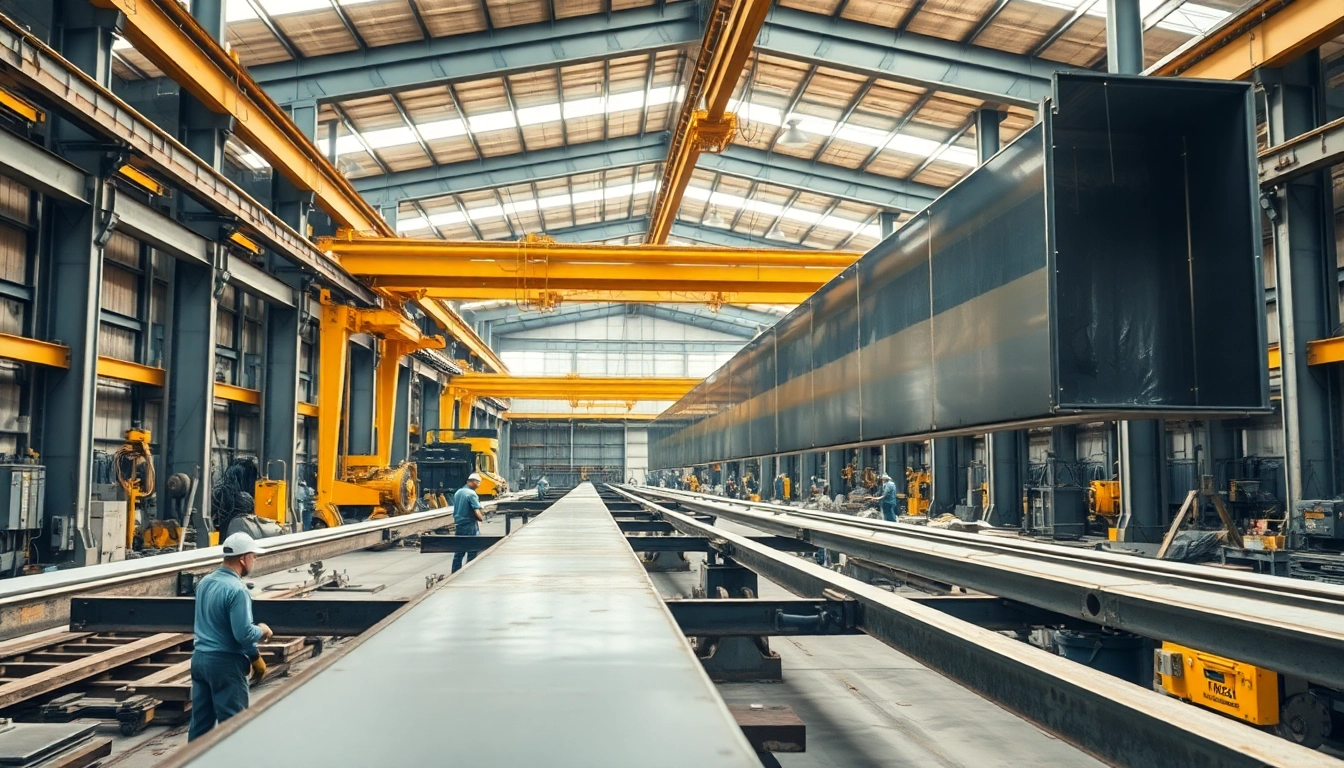
Structural steel fabrication is a critical component in the construction and manufacturing industry, providing the framework and foundation for numerous structures, from bridges to skyscrapers. This process involves the transformation of raw steel into components that meet specific engineering standards, ensuring structural integrity and safety. As the construction industry evolves, so too do the methods and technologies associated with structural steel fabrication, driven by the need for efficiency, sustainability, and innovation.
What is Structural Steel Fabrication?
At its core, structural steel fabrication refers to the process of cutting, shaping, and assembling steel to create equipment and structures that can support loads. It encompasses a variety of techniques and steps, including design, cutting, welding, coating, and delivering the finished product to the construction site. Each of these stages is crucial in ensuring that the steel components maintain their strength, durability, and appearance over the lifecycle of the structure they support.
History and Evolution of Steel Fabrication
The history of steel fabrication is closely tied to the development of steel as a material. The Industrial Revolution marked the beginning of steel production at scale, with the Bessemer process introduced in the 1850s revolutionizing the way steel was made. As demand for stronger structural materials grew, so did the need for fabrication methods that could handle larger and more complex designs.
The early 20th century saw innovations in welding techniques, such as arc welding, which allowed for more robust connections between steel components. This was a game changer for the construction of skyscrapers and bridges, leading to iconic structures like the Empire State Building and the Golden Gate Bridge. Today, advancements in technology such as computer-aided design (CAD) and CNC machining have further improved the precision and efficiency of steel fabrication processes.
Current Trends in Structural Steel Fabrication
Recent trends in structural steel fabrication reflect the broader shifts in the construction industry towards automation, sustainability, and the use of advanced materials. One significant trend is the increased use of pre-fabricated components that can be assembled quickly on-site, reducing labor costs and construction times. Additionally, there’s a growing emphasis on environmentally friendly practices, such as recycling steel and minimizing waste during fabrication.
Another emerging trend is the integration of digital technologies, including building information modeling (BIM), which allows for better planning and coordination among stakeholders in the construction process. These innovations lay the groundwork for creating smarter, more sustainable infrastructure while meeting the industry’s increasing demands for efficiency and performance.
Key Techniques in Structural Steel Fabrication
Cutting and Shaping Steel Components
The first step in the fabrication process is cutting and shaping steel to the required specifications. This is typically accomplished through several techniques, including sawing, shearing, and more advanced methods like plasma cutting and laser cutting. Each technique has its advantages and is selected based on the type, thickness, and complexity of the steel component being fabricated.
Laser cutting, for example, offers precision and can handle complex shapes with minimal material waste. It is especially useful for creating intricate parts where accuracy is paramount. Plasma cutting is advantageous for thicker materials and provides faster cutting speeds. Regardless of the method used, the goal is to achieve smooth, clean edges that facilitate the subsequent welding and assembly processes.
Welding Methods for Structural Steel
Welding is a crucial aspect of structural steel fabrication, as it joins individual components into a cohesive structure. Various welding techniques are employed, including MIG (Metal Inert Gas), TIG (Tungsten Inert Gas), and stick welding, each chosen based on the project requirements and material characteristics.
MIG welding is popular in fabrication due to its speed and versatility, making it suitable for both thin and thick materials. TIG welding, while slower, provides a higher quality of weld, especially on thin materials or where aesthetic considerations are significant. Stick welding is favored for outdoor projects and in situations where equipment portability is essential.
Coating and Finishing Techniques
Once the steel components are welded together, the next step involves coatings and finishes that enhance the steel’s appearance and protect it from environmental factors. Common finishing techniques include painting, galvanizing, and powder coating. Each method provides different benefits and levels of protection.
For instance, galvanizing involves applying a protective zinc coating to prevent rust and corrosion, making it ideal for structures exposed to the elements. Powder coating offers a durable finish that comes in various colors and textures, allowing for both protection and aesthetic appeal. The choice of coating and finishing technique ultimately depends on the intended application and environmental conditions the structure will face.
Benefits of Using Structural Steel Fabrication
Advantages in Construction Projects
Structural steel fabrication offers several advantages in construction projects, making it a preferred choice among engineers and architects. One of the most notable benefits is its versatility. Steel can be molded into various shapes and sizes, allowing for flexibility in design. This adaptability means that architects can achieve their vision without being constrained by material limitations.
Moreover, steel components are prefabricated off-site, which significantly reduces construction time and minimizes disruption at the site. This speed can translate to lower labor costs and faster project completion, making it a valuable option for developers seeking to meet tight timelines.
Cost-Effectiveness of Fabricated Steel
Cost considerations play a vital role in project decisions, and structural steel fabrication proves to be highly cost-effective over the lifecycle of a building. While the initial costs may be higher than other materials, the durability and longevity of steel structures result in reduced maintenance and replacement needs over time.
Additionally, because fabricated steel components are produced off-site, there are fewer delays related to weather or on-site conditions. This can lead to overall cost savings, as projects are completed on schedule and operational expenditures are optimized. Overall, the long-term value of using fabricated steel often outweighs the initial investment, making it a wise choice for many construction projects.
Longevity and Durability of Steel Structures
One of the standout qualities of structural steel is its durability. Steel structures can withstand harsh environmental conditions, including extreme temperatures, wind, and seismic activity. This resilience contributes to the longevity of the buildings and infrastructures, ensuring that they maintain their safety and stability over decades.
Moreover, steel is resistant to pests, such as termites, which can significantly diminish the lifespan of wooden structures. When properly designed, fabricated, and maintained, steel structures can last for generations, providing reliability and peace of mind for occupants and investors alike.
Common Challenges in Structural Steel Fabrication
Addressing Quality Control Issues
Quality control in structural steel fabrication is paramount as it directly affects the integrity of the structure. Issues can arise at any stage of the fabrication process, from material selection and cutting to welding and finishing. Implementing strict quality assurance protocols is essential for mitigating these challenges.
Employing certified inspectors throughout the fabrication process can help identify and rectify potential issues early on. Furthermore, compliance with industry standards and regulations such as those set by the American Welding Society (AWS) and the American Institute of Steel Construction (AISC) ensures that all fabricated components meet necessary safety and performance benchmarks.
Managing Project Timelines and Costs
Project managers often face the twin challenges of adhering to timelines and managing budgets. Delays in steel fabrication can have a cascading effect on construction schedules, leading to inflated costs and strained relationships with clients and subcontractors.
To combat this, effective project management practices should be implemented. Utilizing project management software can assist in tracking progress, managing resources, and forecasting potential project bottlenecks. Regular communication with all stakeholders is also crucial for maintaining alignment and addressing issues proactively, ensuring smoother project execution.
Overcoming Environmental and Safety Regulations
Environmental and safety regulations in the construction industry are becoming increasingly stringent, presenting challenges for structural steel fabricators. Compliance not only requires understanding the legal landscape but also necessitates implementing systems that align with sustainable practices.
Strategies to overcome these challenges include adopting environmentally friendly fabrication methods, such as minimizing waste and integrating recycling programs. Safety training and adherence to Occupational Safety and Health Administration (OSHA) guidelines are also vital to ensure not only compliance but also the safety of workers in fabrication and construction environments.
Best Practices for Effective Steel Fabrication
Implementing Quality Assurance Protocols
A robust quality assurance program is integral to effective steel fabrication. Establishing clear protocols for each stage of the fabrication process can help catch defects early and maintain high standards. Procedures should include material inspection upon delivery, checking machinery calibration, and conducting thorough weld inspections using methods such as ultrasonic testing.
Training and continuous education for fabricators on the latest quality control techniques and industry standards should also be prioritized. This investment in human resources strengthens the entire fabrication workforce and enhances the reputation of the fabrication business.
Utilizing Advanced Technologies in Fabrication
The adoption of advanced technologies is crucial for staying competitive in the structural steel fabrication market. Technologies such as Building Information Modeling (BIM) allow for improved collaboration among architects, engineers, and fabricators. By visualizing the entire project in a digital form, inconsistencies and issues can be addressed before fabrication begins, saving time and resources.
Additionally, automated fabricating machines can enhance precision while reducing labor costs. Emerging technologies like robotics are beginning to play a role in fabrication processes, further increasing efficiency and safety in the fabrication environment.
Case Studies: Successful Structural Steel Projects
The implementation of best practices in structural steel fabrication is best illustrated through successful case studies. One notable example is the construction of the Burj Khalifa in Dubai, where precision fabricated steel components played a crucial role in achieving the building’s iconic height and safety requirements.
This project exemplifies how effective collaboration between various stakeholders, adherence to quality control standards, and innovative fabrication techniques can lead to successful outcomes. Another example is the use of prefabricated steel in bridge construction, which has demonstrated significant time and cost savings compared to traditional methods, showcasing the scalability and efficiency of modern fabrication techniques.