
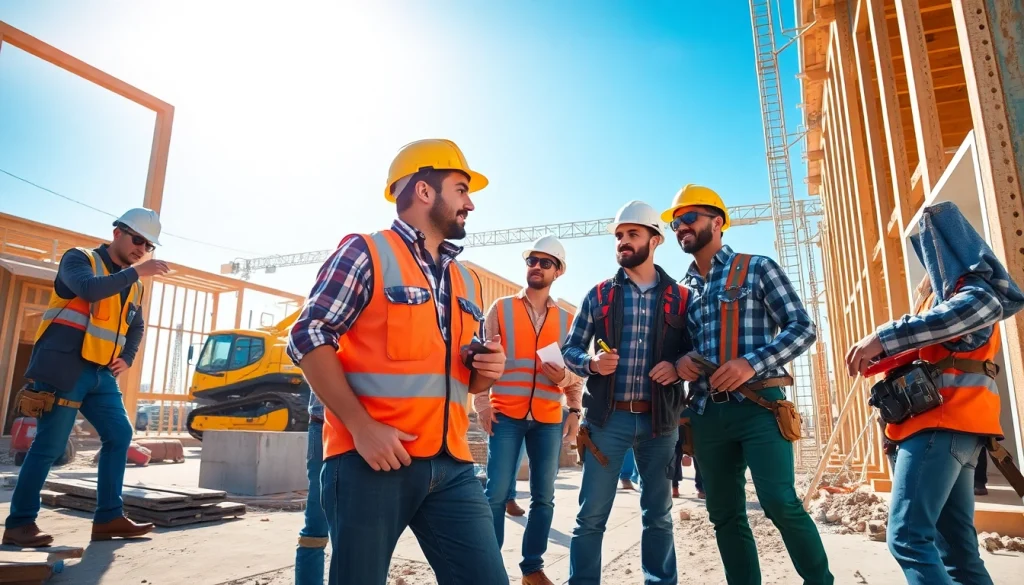
The Landscape of Careers in Construction
The construction industry stands as a robust pillar of economic stability and growth, offering a multitude of opportunities across various fields. From skilled trades to project management and architectural design, Careers in construction encompass a wide array of professions that cater to diverse interests and skill sets. In this comprehensive guide, we will delve into various career paths, the growing demand for skilled professionals, and the critical importance of labor in shaping the industry.
1. Overview of Career Paths
The construction sector provides numerous career paths, each with unique responsibilities and skill requirements. Some key areas include:
- General Contractors: They oversee entire projects, coordinating between subcontractors, suppliers, and clients.
- Project Managers: They plan, execute, and close projects, ensuring they meet targets regarding budget and timeline.
- Skilled Trades: Electricians, plumbers, carpenters, and welders represent the backbone of construction, requiring specific skills and certifications.
- Architects and Engineers: These professionals design structures, ensuring they are safe, functional, and aesthetically pleasing.
- Construction Inspectors: They are responsible for ensuring compliance with building codes and regulations.
2. Growing Demand in the Industry
As urbanization continues to rise and infrastructure ages, the demand for construction services is expected to grow significantly. According to industry forecasts, this trend is driven by:
- Population Growth: Increased population leads to higher demand for residential and commercial buildings.
- Infrastructure Development: Upgrades and maintenance of roads, bridges, and other infrastructures, particularly in urban areas.
- Technological Advancements: Innovations in construction methods and materials are expanding possibilities for modern construction projects.
3. Importance of Skilled Labor
Skilled labor is a fundamental component of the construction industry. Without qualified tradespeople, projects suffer from delays, increased costs, and compromised quality. Investing in workforce training is essential for:
- Work Quality: Skilled workers ensure high-quality craftsmanship, reducing the likelihood of defects and costly rework.
- Construction Safety: Proper training in safety protocols minimizes workplace accidents and injuries.
- Efficiency: Skilled tradespeople perform tasks more efficiently, improving overall project timelines.
Essential Skills for Success
1. Technical Skills Required
Success in construction careers often hinges on a combination of technical skills. These skills vary by role, but some essential competencies include:
- Blueprint Reading: Understanding architectural plans and drawings is crucial for accurate implementation.
- Welding and Fabrication: For those in trades, proficiency in welding techniques is invaluable.
- Project Management Software: Familiarity with software like AutoCAD or Microsoft Projects enhances efficiency in project management roles.
2. Soft Skills for Collaboration
While technical skills are critical, soft skills play a vital role in the construction industry. Key interpersonal skills include:
- Communication: Clear communication with team members, clients, and suppliers fosters collaboration and minimizes misunderstandings.
- Problem-Solving: The ability to address and adapt to challenges is essential in dynamic environments.
- Teamwork: Successful projects often depend on the ability to work effectively in teams.
3. Certification and Training Options
Obtaining relevant certifications and training can significantly enhance career prospects in construction. Here are some common options:
- Trade Certifications: Various trades offer certifications that validate skills and knowledge.
- OSHA Training: Occupational Safety and Health Administration training improves workplace safety and compliance.
- Degree Programs: Pursuing degrees in construction management or civil engineering provides a strong educational foundation.
Navigating Your Career Journey
1. Entry-Level Positions in Construction
For those looking to enter the construction industry, starting with entry-level positions can provide valuable experience. Common roles include:
- Laborer: Performing physical tasks across various sites helps gain foundational knowledge.
- Apprentice: Working under experienced tradespeople offers hands-on training and skill development.
- Administrative Roles: Assisting with project management and office duties provides insight into the construction process.
2. Advancement Opportunities and Pathways
Advancing in construction often requires a combination of experience, additional training, and networking. Potential career pathways include:
- Moving to Supervisor: Gaining experience can lead to supervisory roles where more responsibility and leadership are required.
- Specializing in a Trade: Pursuing advanced certifications can enhance expertise in a specific area.
- Transitioning to Management: Educational advancement can open doors to project or program management positions.
3. Networking in the Construction Industry
Building a professional network can prove invaluable for career development. Strategies for effective networking include:
- Industry Events: Attend seminars, workshops, and trade shows to connect with other industry professionals.
- Online Networking: Utilize platforms like LinkedIn to engage with peers and share insights.
- Professional Associations: Joining construction-related organizations can provide additional resources and networking opportunities.
Challenges and Solutions in Construction Careers
1. Addressing Labor Shortages
The construction industry faces ongoing labor shortages, complicating project execution and timelines. Solutions include:
- Increasing Training Programs: Expanding vocational education and on-the-job training can attract more workers.
- Promoting Careers in Construction: Campaigns to highlight the benefits of construction careers can shift public perception.
- Incentivizing Skills Development: Companies can offer scholarships and apprenticeships to encourage skill acquisition.
2. Safety Concerns and Regulations
Safety in construction is paramount due to the inherent hazards. Addressing these concerns involves:
- Comprehensive Training: Ensuring all workers receive regular safety training is essential.
- Regular Audits: Conducting safety audits to identify and rectify hazards can minimize risks.
- Utilizing Technology: Wearable technology and safety equipment can improve monitoring and compliance.
3. Adapting to Technology in Construction
The rising role of technology is transforming construction practices. Adapting to these changes requires:
- Embracing New Tools: Incorporating construction management software and 3D printing can enhance efficiencies.
- Training Opportunities: Providing ongoing training on new technologies ensures competitiveness.
- Investing in Innovation: Allocating resources to research and development can lead to groundbreaking methods and practices.
Future Trends in Careers in Construction
1. Green Building and Sustainability
As environmental concerns rise, there is a growing focus on green building practices. Carriers in construction increasingly consider:
- Sustainable Materials: Incorporating eco-friendly materials can reduce the carbon footprint.
- Energy-Efficient Designs: Innovations in energy efficiency can lead to long-term savings and environmental benefits.
- Regulatory Compliance: Staying abreast of changing regulations in sustainability can enhance project viability.
2. The Impact of Automation
Automation is revolutionizing various construction processes, improving efficiency and safety. Key considerations include:
- Robotics: Advanced machinery can improve precision and reduce human error.
- Data Analytics: Analyzing project data can streamline processes and minimize waste.
- Construction Drones: Using drones for surveying and monitoring can enhance project oversight.
3. Emerging Roles in Construction
As the industry evolves, new roles are emerging, driven by technological advancements and changing needs. Notable emerging roles include:
- BIM Managers: Building Information Modeling managers streamline project collaboration and communication.
- Sustainability Consultants: Experts helping implement eco-friendly practices and compliance.
- Construction Technologists: Specialists focused on integrating technology into construction practices.
Frequently Asked Questions
What are typical entry-level positions in construction?
Common entry-level roles include laborers, apprentices, and administrative assistants, each providing vital industry exposure.
How important is certification in construction careers?
Certifications validate skills and knowledge, enhancing job prospects and credibility in the construction industry.
What are the major challenges in construction careers?
Challenges include labor shortages, safety concerns, and adapting to new technologies, all requiring tailored solutions.
Are there opportunities for advancement in construction?
Yes, many career paths offer opportunities for advancement, especially with additional training and experience.
How is technology impacting construction?
Technology enhances efficiency and safety, introducing tools like automation and data analytics that transform practices.