
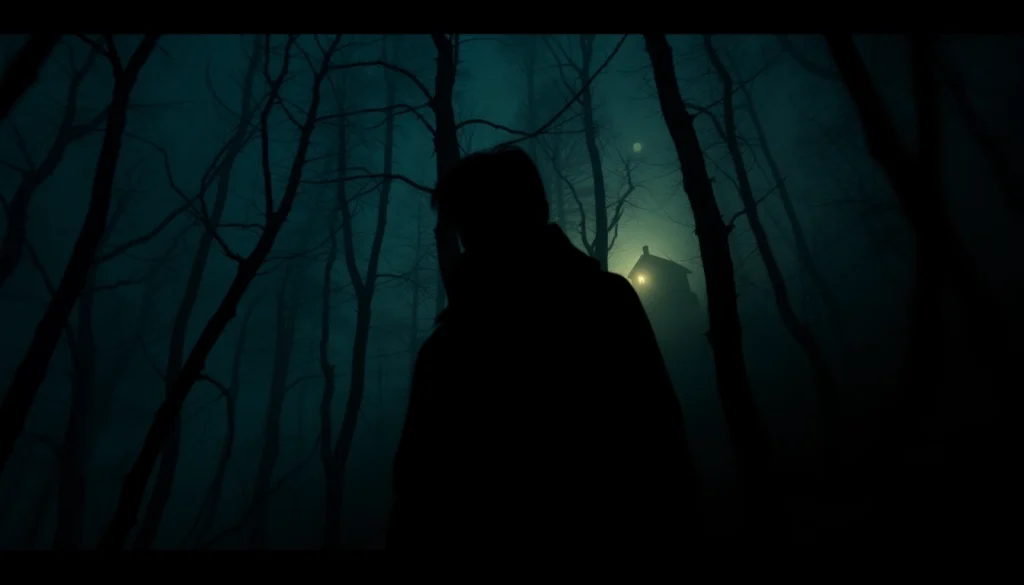
Understanding the Thriller Genre
Defining the Thriller and Its Key Elements
The Thriller genre is characterized by its capacity to generate suspense, excitement, and tension in its audience. At its core, a thriller seeks to engage the reader or viewer through a heightened sense of danger, urgency, and unpredictability. This often manifests in stories involving crime, espionage, or psychological tension, typically revolving around a protagonist who must confront a formidable antagonist or scenario.
Key elements of the thriller genre include:
- Suspense: The heartbeat of any thriller, where the anticipation of danger or discovery keeps the audience at the edge of their seats.
- High Stakes: Characters usually face life-altering consequences, which adds weight to their decisions and actions.
- Complex Characters: Multifaceted protagonists and antagonists that keep the audience guessing about their true intentions.
- Plot Twists: Unexpected revelations that challenge the existing narrative, engaging the audience further.
- Fast Pace: Quick cuts, sharp dialogue, and a tight narrative structure are common to maintain momentum.
Historical Evolution of the Thriller
The roots of the thriller genre can be traced back to early literature, with Edgar Allan Poe often recognized as a pioneering figure. His works, filled with psychological tension and murder, set the groundwork for thrillers in the literary and cinematic world. As film evolved, Alfred Hitchcock emerged as a master of suspense, blending psychological elements with thrilling plots in movies like “Psycho” and “Rear Window”.
Since then, thrillers have diversified into sub-genres such as psychological thrillers, crime thrillers, and political thrillers, each exploring different aspects of human fear and morality. The genre has remained relevant as it continually adapts to societal changes and technological advancements, keeping it fresh and engaging for audiences.
Psychological Impact of Thriller Stories
Thrillers often serve a dual purpose: entertaining the audience and exploring deeper psychological themes. They make viewers confront their fears and anxieties, leading to catharsis as they experience vicarious thrills through characters’ struggles. The psychological techniques employed in thrillers, such as unreliable narration or gradual revelation of facts, manipulate emotional responses, invoking fear, shock, and excitement.
This psychological engagement is essential for connecting with an audience on a profound level. Studies suggest that the adrenaline rush experienced while watching thrillers can have positive effects, including improved mood and heightened mental alertness, which further solidifies the genre’s appeal.
Core Elements of Effective Thriller Narratives
Building Suspense and Tension in Thrillers
Creating suspense is an art — one that entails masterful pacing, strategic revelations, and compelling character arcs. Authors and filmmakers utilize various techniques to build tension:
- Cliffhangers: Ending chapters or scenes at pivotal moments compel the audience to continue to discover the outcome.
- Time Constraints: Introducing ticking clocks, whether literal or metaphorical, can heighten urgency and tension.
- Misdirection: Deliberately misleading the audience can lead to shocking twists that elicit genuine surprise and excitement.
Character Development in Thriller Narratives
In thrillers, character development is crucial for creating empathy and investment from the audience. Complex characters, often trapped in moral dilemmas, challenge the audience’s perceptions of right and wrong. The protagonist typically undergoes significant transformation throughout the narrative, evolving under the immense pressures they face. Parallelly, the antagonist should be equally compelling, with motivations that contribute to the story’s conflict.
Effective backstories, relationships, and choices make characters relatable, grounding the extraordinary events of the narrative in human experience. Well-developed characters also allow for greater emotional stakes, enhancing the overall impact of the thriller.
Setting and Atmosphere in Thrillers
The setting in a thriller is not merely a backdrop but an integral component that shapes the narrative. A well-crafted atmosphere can intensify emotions and amplify tension. For example:
- Isolation: Settings that evoke feelings of loneliness or entrapment can enhance dread and despair.
- Dark and Gritty Aesthetics: Utilizing chiaroscuro lighting or stark contrasts in visuals can foster an unsettling mood.
- Symbolism: Settings can often symbolize characters’ mental states; a stormy night may signal turmoil, while a serene landscape can juxtapose inner chaos.
Overall, the chosen setting must resonate with the themes and emotions of the narrative, enriching the reader’s experience.
Techniques for Crafting Captivating Thrillers
Plot Twists That Leave an Impact
A hallmark of the thriller genre includes expertly executed plot twists. These unanticipated yet believable turns of events not only shock audiences but also compel them to reassess earlier parts of the story. Effective twists are rooted in narrative foreshadowing—clues that are subtly embedded within the plot to enrich subsequent revelations. The best twists often make perfect sense in hindsight, providing satisfaction to the audience while reinforcing the narrative’s logic.
Utilizing Foreshadowing Effectively
Foreshadowing enhances the depth of a thriller by hinting at future events without giving away the entire plot. This can be achieved through:
- Symbolic Objects: Items introduced early in the story can later symbolize critical story elements.
- Dialogue Hints: Lines of dialogue that seem innocuous at first may later reveal crucial information.
- Flashbacks: These can offer context or insight that pays off later in the narrative, enhancing the audience’s understanding.
When woven seamlessly into the narrative, foreshadowing not only creates intrigue but also deepens the audience’s emotional investment in the unfolding story.
Balancing Pace and Action in Thrillers
Thrillers rely heavily on pacing to maintain momentum. A significant aspect of this is the balance between action-packed sequences and quieter moments that allow reflection and character development. Fast-paced sequences, filled with intense action or conflict, must be interspersed with slower passages that provide context and allow characters to process events or make critical decisions.
Structurally, writers often utilize shorter paragraphs and sentences during high-stakes scenes to create urgency. Conversely, longer, more descriptive passages can be reserved for moments of introspection or world-building, thus leveraging the contrast to heighten emotional responses during critical points in the narrative.
Analyzing Successful Thrillers Across Media
Key Characteristics in Successful Thriller Films
When dissecting successful thriller films, several characteristics consistently emerge. Effective thrillers often feature:
- Binge-Worthy Arcs: Compelling, tightly woven plots that catalyze viewers’ need to see the resolution.
- Diverse Perspectives: Multiperspective narratives add layers of complexity and enrich the viewing experience.
- Visually Stunning Cinematography: The effective use of visual elements to convey mood, tension, and atmosphere.
Filmmakers employ these techniques to create immersive experiences that engage audiences on multiple sensory levels.
Elements of Bestselling Thriller Novels
Bestselling thriller novels often share a few common traits that contribute to their success:
- Engaging Opening Chapters: Hooks that immediately draw readers into the world of the story.
- Intricate Plots: Skillfully constructed narratives that layer multiple storylines and subplots without confusion.
- Emotional Resonance: Characters that evoke empathy and keep readers invested in their journeys.
Authors achieve this through masterful storytelling, informed by a deep understanding of their audience’s expectations and psychological responses.
The Role of Thrillers in Video Games
Video games have evolved to become a significant storytelling medium within the thriller genre. Incorporating elements of suspense, exploration, and emotional stakes, these games engage players in unique ways. Key aspects include:
- Immersive Worlds: Players experience the narrative firsthand, actively participating rather than passively consuming.
- Decision-Based Outcomes: Player choices influence the outcome, heightening the sense of responsibility and urgency.
- Interactive Storytelling: Mechanisms that blend gameplay with narrative developments to create tense and thrilling scenarios.
With gripping narratives and innovative gameplay mechanics, thriller video games successfully captivate audiences, bridging the gap between traditional storytelling and interactivity.
Future Trends in the Thriller Genre
Exploring Cross-Genre Thriller Innovations
The thriller genre has proven adaptable amidst changing cultural landscapes, frequently merging with other genres to innovate. For example, sci-fi thrillers introduce futuristic technologies that elevate the stakes or romantic thrillers that add layers of complexity to characters’ motivations. These cross-genre explorations serve to refresh the narrative potential, delving into uncharted realms.
As audiences’ tastes diversify, the blend of thrillers with aspects of fantasy, horror, or even humor can create multifaceted narratives that speak to a broad range of viewer experiences.
The Rise of Interactive Thrillers
With advancements in technology, interactive thrillers that allow audiences to dictate narrative progressions are gaining traction. These formats, whether in gaming or episodic series, empower viewers and players to make choices that steer outcomes. This level of interactivity heightens personal investment and emotional resonance, resulting in a more intimate experience.
As this trend continues, we can expect an influx of innovative storytelling techniques that engage audience participation in deeper ways.
Audience Engagement in the Digital Age
In the evolving landscape of content consumption, audience engagement is paramount. Thrillers must not only captivate during their run-time but also generate conversations within communities. Social media platforms and fan engagement become critical for building anticipation surrounding releases, enhancing collaborations between creators and fans. The sharing of fan theories and reactions further enriches the experience, creating a communal buzz around upcoming thrillers.
Future narratives will likely adapt to capitalize on this engagement, employing immersive storytelling techniques that harness online interaction, effectively transforming spectators into active participants.