
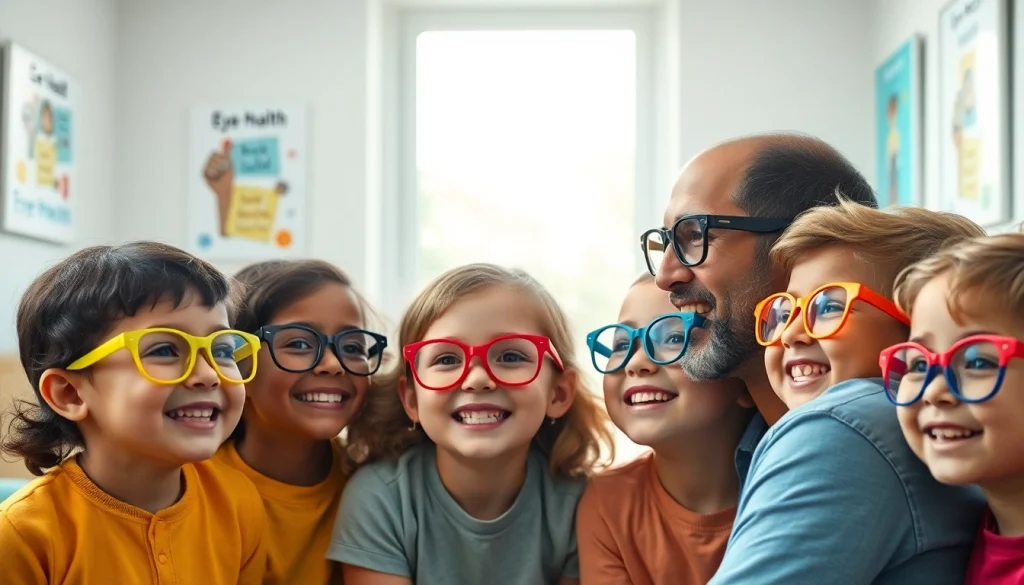
Understanding the Importance of Our Children’s Vision
The health of our children’s eyes plays a crucial role in their overall development. Vision issues can impact a child’s ability to learn, socialize, and enjoy daily activities. According to the Our Children’s Vision initiative, millions of children globally are vision impaired, often due to lack of access to proper eye care. This reality emphasizes the need for awareness, prevention, and action to ensure that every child has the opportunity to see clearly and thrive.
The Impact of Eye Health on Childhood Development
Good vision is foundational for learning. Children rely on their eyesight to read, write, and interact with their environment. Issues such as blurred vision or misalignment not only hinder academic performance but can also affect a child’s self-esteem and social skills. Furthermore, many fundamental developmental milestones related to motor skills and cognitive functions depend on clear vision. For instance, activities like playing sports or engaging in creative arts can be severely limited by vision problems.
Statistics on Children’s Vision Impairment
Research indicates a staggering number of children worldwide suffer from uncorrected refractive errors and other vision impairments. It is estimated that around 19 million children between the ages of 0 to 14 years are visually impaired. In many cases, these impairments are preventable or treatable with early intervention and proper eye care. For example, simple solutions such as corrective lenses can dramatically improve a child’s quality of life, allowing them to participate fully in school and play.
Recognizing Common Vision Problems in Children
Common vision problems in children include nearsightedness (myopia), farsightedness (hyperopia), astigmatism, and amblyopia (lazy eye). Symptoms can vary significantly; some children may complain of headaches, while others may avoid activities that require clear vision. Parents and caretakers play an essential role in monitoring these symptoms and seeking timely interventions. Regular eye examinations and being aware of any changes in a child’s vision habits can lead to early detection and treatment.
Early Detection: Key Steps in Eye Care
Early detection of vision problems is paramount to mitigating long-term effects on children’s health and development. Implementing effective screening and detection strategies is a crucial part of any comprehensive eye health program.
The Role of Vision Screening Programs
Vision screening programs are instrumental in ensuring early detection of eye problems in children. These programs can be conducted in schools, pediatric offices, or community health centers, providing an essential service to families that may not otherwise seek eye care. Organized screenings can catch many issues that families might overlook, providing opportunities for timely referrals to optometrists or ophthalmologists for further diagnostics and treatment.
How to Conduct a Basic Eye Test at Home
While professional eye exams are critical, parents can also conduct basic eye tests at home to monitor their child’s vision. Simple methods include using a Snellen chart or even creating one with letters printed on paper. Keeping the child a specific distance away (usually 20 feet) and asking them to read the letters can reveal potential issues. Additionally, observing their ability to focus on objects at varying distances, such as toys or books, can provide insights into their visual acuity.
When to Consult a Professional for Eye Health
Consulting an eye care professional is essential if any irregularities are observed during screenings at home or in schools. General guidelines recommend that children have their first eye examination by the age of one, followed by another at age three, and again by age six or before they start school. Timely interventions can make a considerable difference in outcomes concerning a child’s eye health and development.
Integrating Eye Health into Daily Life
Integrating eye health practices into daily life forms the bedrock of preventive eye care for children. By instilling healthy habits early on, parents can help reduce the risk of developing vision issues later in life.
Healthy Habits for Better Vision
Adopting healthy habits is a proactive way to promote good vision. Encouraging children to play outdoors, as well as taking regular breaks from screen time, can significantly reduce eye strain. The ’20-20-20′ rule is often recommended – every 20 minutes of screen time, one should look at something 20 feet away for 20 seconds. Moreover, ensuring proper lighting while reading or doing homework can mitigate the risk of eye strain.
Nutrition’s Role in Maintaining Eye Health
Nutrition plays a vital role in preserving eye health. Providing a balanced diet rich in vitamins A, C, and E, as well as omega-3 fatty acids, can support ocular health. Foods such as carrots, spinach, and fish not only enhance overall health but are particularly beneficial for eye development. Educating children about nutritional choices can empower them to make smarter food selections that benefit their vision.
Incorporating Screen Time Management Techniques
In today’s digital era, screen time is an integral part of children’s routines. However, it’s essential to manage exposure to screens appropriately. Setting usage limits based on age, incorporating educational content, and ensuring that screens are positioned at eye level can help protect young eyes. Regular discussions about the importance of limiting recreational use, particularly in younger children, can help establish long-lasting screen time habits that support eye health.
Advocacy and Community Support for Eye Care
Community involvement and advocacy are critical components in promoting eye care for children. Grassroots efforts can elevate awareness and create support systems conducive to eye health.
How to Promote Our Children’s Vision Awareness
Raising awareness about children’s eye health can be accomplished through various channels. Organizing community events, workshops, and seminars can invite discussions on eye care and provide resources for families. Social media campaigns and school interventions can also play a significant role in disseminating critical information about eye health, ensuring that it reaches a broader audience.
Community Programs Providing Eye Care Services
Across the nation, numerous community programs focus on delivering eye care services to children. These programs often partner with local health providers and schools to offer free or low-cost vision screenings and eye exams. Programs that integrate outreach with education allow communities to identify at-risk populations, ensuring that no child is left without access to necessary eye care.
Guidelines for Fundraising to Support Eye Health Initiatives
Funding is often a critical issue for enhancing community eye care programs. Organizing fundraising events, such as charity runs or health fairs, can both raise funds and increase awareness. Collaborating with local businesses for sponsorship, applying for grants, and utilizing online crowdfunding platforms can also mobilize community support. Engaging local media for coverage can amplify efforts and attract more participants and donors, ultimately benefiting overall community eye health.
The Future of Children’s Eye Health Initiatives
As we move forward, innovative approaches in technology and community engagement will define the future of children’s eye health initiatives. Staying informed and adapting to emerging trends are vital to sustaining effective programs.
Trends in Pediatric Eye Care Technology
Teleoptometry and advanced screening technologies are revolutionizing pediatric eye care. Innovations like remote vision assessments simplify access for children in underserved areas, ensuring timely interventions. Additionally, augmented reality (AR) and virtual reality (VR) tools provide engaging platforms for children to learn about eye health while promoting healthy habits. Staying abreast of these advancements can provide communities with resources to enhance existing programs.
Impact of Global Campaigns on Local Communities
Global initiatives focused on children’s vision health have enormous potential for localized impact. These campaigns often provide frameworks and resources that can be tailored to meet specific community needs. Collaborating with international organizations can yield funding, training, and support for local practitioners, creating a comprehensive strategy for improving children’s eye care at the grassroots level.
How to Stay Informed About New Developments in Eye Health
Keeping current with emerging research and best practices in children’s eye health is essential for both professionals and parents. Subscribing to reputable health journals, attending conferences, and joining associations focused on eye health can facilitate continuous education. For families, accessing information through credible online platforms and engaging with local health services can empower them to make informed decisions regarding their children’s vision care.