Understanding Commercial Roofing Services
What Are Commercial Roofing Services?
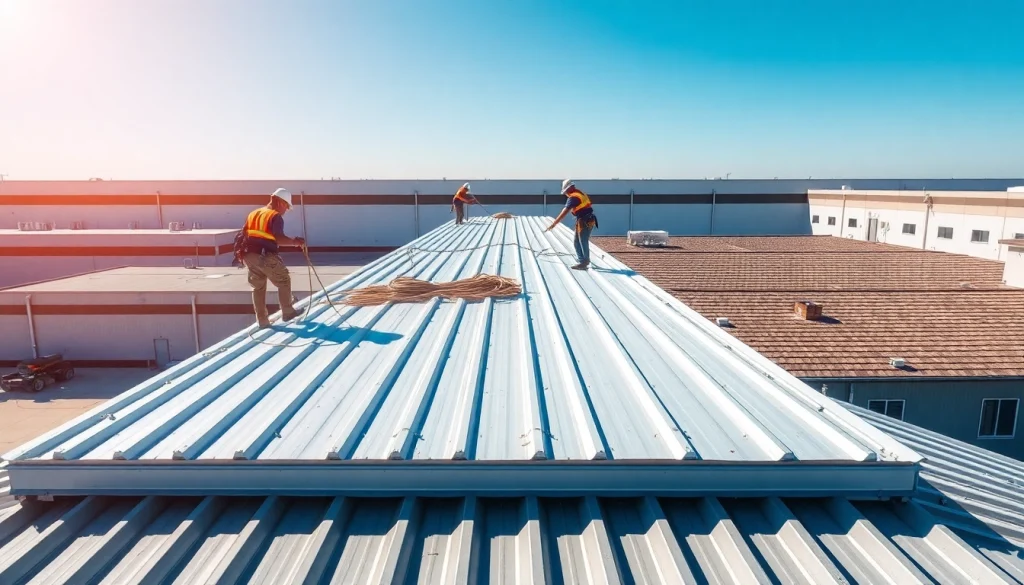
Commercial roofing services include a wide array of solutions focused on protecting and enhancing the integrity of commercial buildings through effective roofing systems. These services range from installation and replacement to repair and maintenance, tailored for various types of commercial properties, such as office buildings, retail spaces, warehouses, and more.
In the realm of commercial roofing, professionals assess various factors such as the building’s architecture, the local climate, and the specific needs of the business to determine the most appropriate roofing solution. Engaging commercial roofing services ensures that businesses benefit from long-lasting, durable roofs designed to withstand environmental challenges while providing aesthetic value.
Different Types of Commercial Roofing Options
There are several types of roofing systems available for commercial properties, each with unique advantages. Understanding these options can help property owners make informed decisions.
- Flat Roofing Systems: Commonly used in commercial applications, flat roofs (like TPO, EPDM, and PVC) offer ease of installation and maintenance. They’re ideal for buildings requiring rooftop access for HVAC systems and other equipment.
- Pitched Roofing: This includes materials such as metal and shingles. Pitched roofing systems, also called sloped roofs, are effective in areas with high rainfall or snow, as they facilitate water drainage.
- Modified Bitumen: A popular choice for flat roofs, modified bitumen is durable and resistant to tears and impacts. It can be installed in various ways, making it adaptable to different climates.
- Built-Up Roofing (BUR): Consisting of multiple layers, BUR provides excellent waterproofing and UV protection. It’s a robust option for businesses located in harsher climates.
- Green Roofing: These eco-friendly systems involve layering vegetation on roofs. Green roofs help insulate the building, reduce urban heat, and promote sustainability.
Benefits of Professional Commercial Roofing Services
Investing in professional commercial roofing services provides numerous advantages that can significantly affect a business’s functionality and safety:
- Enhanced Durability: Commercial roofs constructed by skilled professionals tend to last longer. They utilize high-quality materials and techniques that withstand environmental stressors.
- Improved Energy Efficiency: Many modern roofing systems include insulation materials that minimize energy loss, leading to reduced utility costs and a lower carbon footprint.
- Expert Consultation: By consulting with roofing experts, business owners receive tailored solutions tailored to their unique needs, ensuring that their roofing systems align with their operation’s requirements.
- Warranty Protection: Many commercial roofing services offer warranties, providing financial protection and peace of mind for business owners regarding repair or replacement costs.
Key Considerations for Choosing Roofing Materials
Evaluating Climate and Weather Impacts
When selecting roofing materials for commercial properties, understanding the local climate is crucial. Different materials perform variably under specific weather conditions:
- Hot and Humid Climates: Materials like TPO or EPDM are suitable for warm areas due to their reflective properties, which combat heat absorption.
- Cold and Snowy Conditions: Sloped metal roofs can efficiently shed snow, preventing accumulation and potential structural damage.
- Windy Regions: Reinforced roofing systems are essential to withstand high wind-pressure conditions, thus minimizing the risk of damage.
Cost vs. Longevity
When it comes to commercial roofing systems, finding a balance between initial costs and longevity is paramount. Cheaper materials may save money upfront but can lead to frequent repairs or early replacements, which are far more expensive in the long run.
Quality materials, although more costly initially, often provide better warranties, greater resistance to damage, and lower maintenance costs, resulting in better overall value. It’s essential to analyze the return on investment (ROI) of roofing options based on lifespan, durability, and performance.
Insulation and Energy Efficiency Options
A well-insulated roof contributes to a building’s energy efficiency. High-quality insulation materials reduce the need for heating and cooling, leading to lower energy bills. Commercial roofing options that enhance insulation include:
- Polyurethane Foam: This insulation is ideal for flat roofs, providing superior thermal resistance.
- Reflective Roof Coatings: These coatings improve energy efficiency by reflecting sunlight, keeping the building cooler.
- Built-Up Insulation Systems: These involve layers of insulation that can enhance the overall energy performance of a commercial building.
The Importance of Regular Roof Maintenance
Identifying Common Roof Issues Early
Routine roof maintenance is crucial for prolonging the life of a commercial roof. Regular inspections can help identify issues such as:
- Leaks: These may start small but can cause significant damage if not addressed promptly.
- Pooling Water: Flat roofs are prone to water accumulation, which can lead to structural degradation if not managed.
- Debris Accumulation: Leaves and other materials can trap moisture, encouraging rot and degrading roofing materials.
Best Practices for Roof Inspections
Engaging in regular roof inspections is essential for maintaining the integrity of the roofing system. Best practices include:
- Scheduling inspections at least twice a year, ideally in spring and fall.
- Inspecting after severe weather events to assess potential damage.
- Utilizing certified professionals for thorough inspections, ensuring all possible issues are identified.
When to Schedule Professional Maintenance
Professional assessments are vital for complex roofing systems or when significant environmental changes occur, such as heavy snowfall or strong storms. Additionally, businesses should seek expert services when:
- There are visible signs of damage such as curling shingles or sagging regions.
- Water stains or discoloration appear on interior ceilings or walls.
- Existing warranties require periodic inspections to validate coverage.
Choosing the Right Contractor for Commercial Roofing Services
Key Qualities to Look for in a Contractor
Choosing the right contractor for commercial roofing services significantly influences the quality of work performed. Essential qualities to consider include:
- Experience: Look for contractors with a solid track record in commercial roofing projects similar to your needs.
- Reputation: Reviews and testimonials can provide insight into the contractor’s reliability and quality of work.
- Certifications: Professional certifications ensure that a contractor adheres to industry standards and building codes.
Understanding Quotes and Pricing
When comparing estimates from roofing contractors, it’s essential to understand what each quote includes:
- Material costs and types
- Labor charges and warranty terms
- Timeline for project completion
- Any additional fees for disposal or unexpected repairs
Obtaining detailed breakdowns helps ensure transparency and allows for better comparisons between various services offered.
Checking Licensing and Insurance Requirements
Always verify that the contractor is properly licensed and insured before entering into a contract. This protects the property owner from liability if accidents occur during roofing work and ensures compliance with local regulations.
Working with licensed contractors provides peace of mind since they’re typically held to higher standards and can address legal issues if they arise.
Maximizing the Lifespan of Your Commercial Roof
Tips for Extending Roof Longevity
Maintaining a commercial roof’s longevity involves consistent upkeep and following specific best practices:
- Regular Cleaning: Clearing debris and maintaining drainage systems prevent moisture build-up and aid in the roof’s overall health.
- Frequent Inspections: Perform inspections at regular intervals to identify and address potential issues before they escalate.
- Implementing Cooling Measures: Consider reflective coatings or green roofing options to reduce thermal damage caused by prolonged sun exposure.
When to Consider Roof Replacement vs. Repair
Understanding when to repair or replace your commercial roof is critical in decision-making:
- Repair: If the roof is generally in good condition with minimal damage, repairs will suffice. Typical cases include minor leaks or localized wear.
- Replacement: If repairs are frequent, costly, or the roof has reached the end of its expected lifespan, it may be time to consider full replacement for long-term savings.
Long-term Cost Benefits of Quality Roofing
Quality roofing materials and services may require higher initial investment, but they offer significant long-term savings:
- Reduced maintenance costs due to enhanced durability
- Lower energy expenses through improved insulation and efficiency
- Increased property value, making it a more attractive investment
Ultimately, the choice of roofing materials and services greatly impacts the operational efficiency and safety of commercial spaces.